As an Amazon Associate, we earn from qualifying purchases. Some links on this site are affiliate links at no extra cost to you. Our recommendations are based on thorough research and editorial judgment.

What Mobility Aids Are Available For Older Sighthounds?

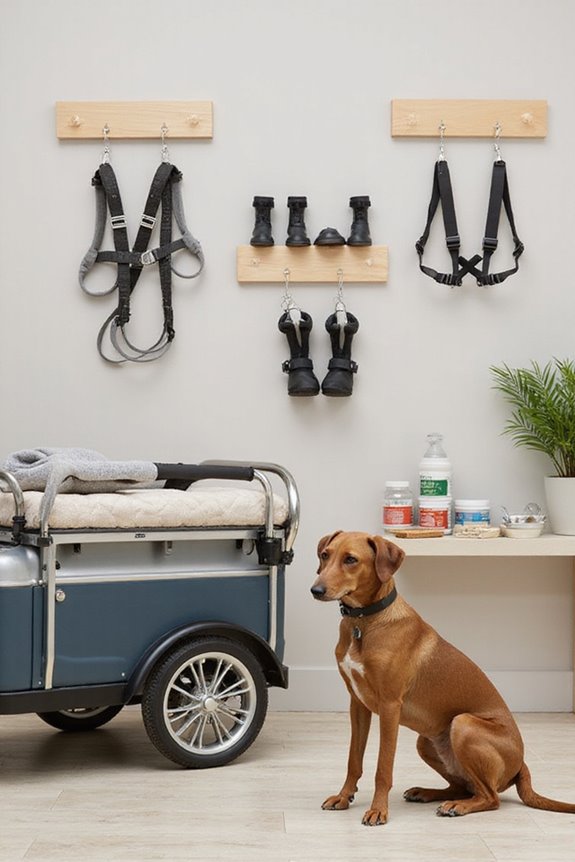
Older sighthounds face mobility challenges, and various aids can enhance their quality of life. We can consider:
- Wheelchairs to increase independence and reduce joint strain.
- Support harnesses that offer stability with adjustable straps.
- Body braces and joint supports to alleviate pain and stabilize joints.
- Pet ramps and indoor mobility aids for easier navigation.
These options not only support mobility but also encourage safe interaction. Let’s explore additional strategies to improve their everyday experiences further.
Key Takeaways
- Slings and Support Harnesses: These aids stabilize the body and provide assistance during movement, enhancing comfort and reducing strain on injured limbs.
- Orthotic Braces and Joint Supports: Designed to alleviate pain and support recovery, they stabilize joints and reduce swelling in older sighthounds.
- Wheelchairs: Offer increased independence and controlled exercise opportunities while reducing stress on joints and preventing muscle atrophy.
- Ramps: Facilitate safe navigation within the home, enabling older sighthounds to access different areas without risk of injury.
- Dog Strollers and Carriers: Allow for safe exploration without overexertion, featuring padded interiors and secure harnesses for comfortable transport.
Types of Mobility Devices for Sighthounds
When it comes to assisting older sighthounds with mobility challenges, there are several effective types of devices designed to enhance their movement and overall quality of life. These mobility solutions include:
- Slings and Support Harnesses: These stabilize specific body regions, aiding recovery or weakness by reducing pressure during movement.
- Orthotic Braces and Joint Supports: Custom-made devices stabilizing joints can alleviate pain and improve functionality, particularly for arthritis.
- Ramps and Indoor Mobility Aids: These enable safe navigation over obstacles, preventing falls and promoting independence inside the home.
- Footwear and Paw Protection: Boots and socks protect sensitive paws and improve traction on slippery surfaces.
- Non-Wearable Mobility Solutions: Items like orthopedic beds and therapy mats help enhance rest and support rehabilitation efforts.
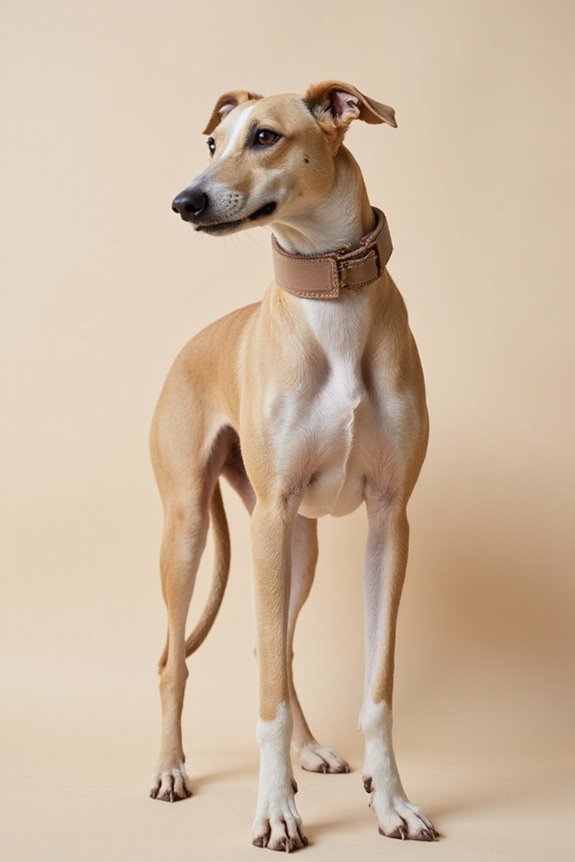
Additionally, understanding the importance of collar type is vital when selecting supportive gear, as it ensures proper fit and safety during mobility assistance.
These assistive technology options greatly improve quality of life for older sighthounds.
Benefits of Wheelchairs for Mobility
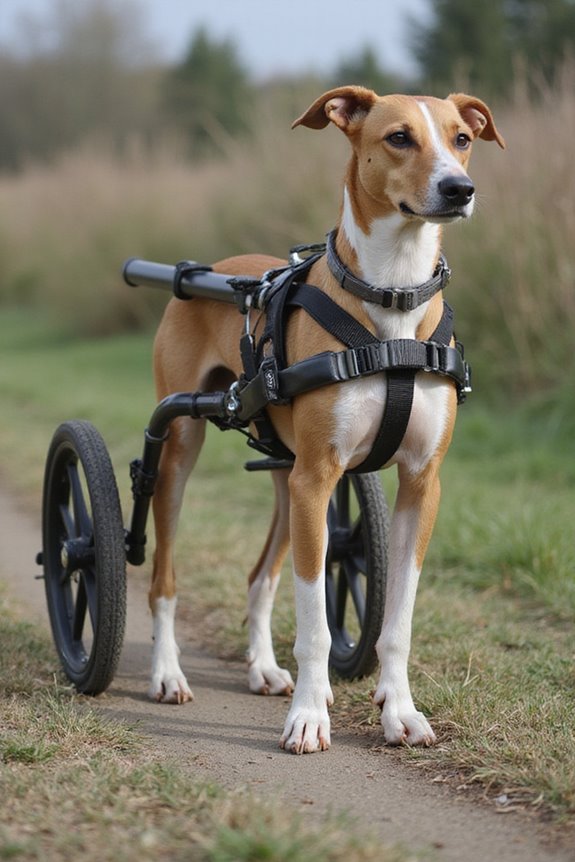
As we explore the various mobility aids available for older sighthounds, it’s important to contemplate the specific benefits offered by wheelchairs.
- Enhanced Mobility and Freedom: Wheelchairs grant dogs increased independence, allowing them to fully engage in play and exercise. Their design enables movement in all directions, boosting maneuverability.
- Pain Relief and Comfort: These devices alleviate stress on injured limbs, reducing joint pain and encouraging natural posture.
- Prevention of Secondary Health Problems: By facilitating movement, wheelchairs help prevent muscle atrophy, obesity, and pressure sores.
- Rehabilitation and Muscle Strengthening: Wheelchairs support controlled exercise, essential for recovering weakened muscles.
- Psychological and Emotional Benefits: Increased mobility enhances mood, promotes social interaction, and preserves normal behaviors, greatly improving overall quality of life. Furthermore, the durability of harnesses can complement wheelchair use by ensuring safety and comfort during outings.
Support Harnesses for Enhanced Stability
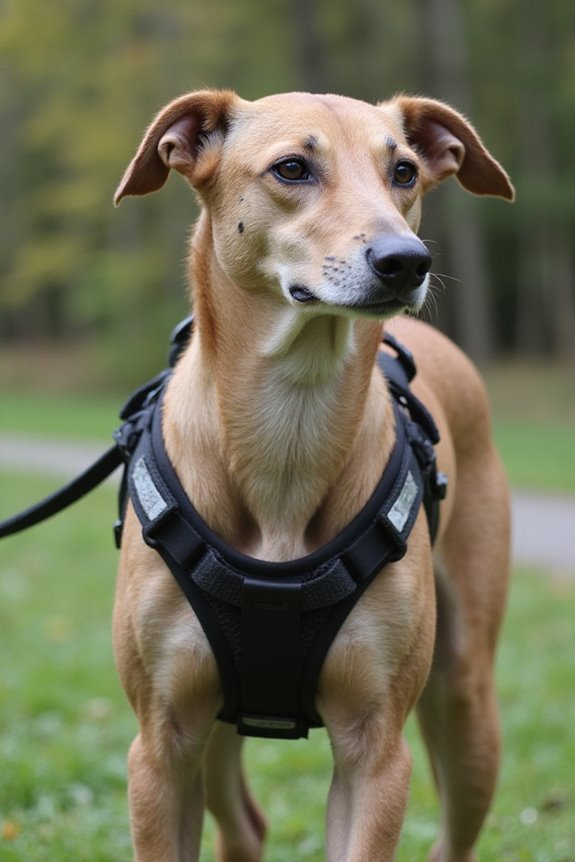
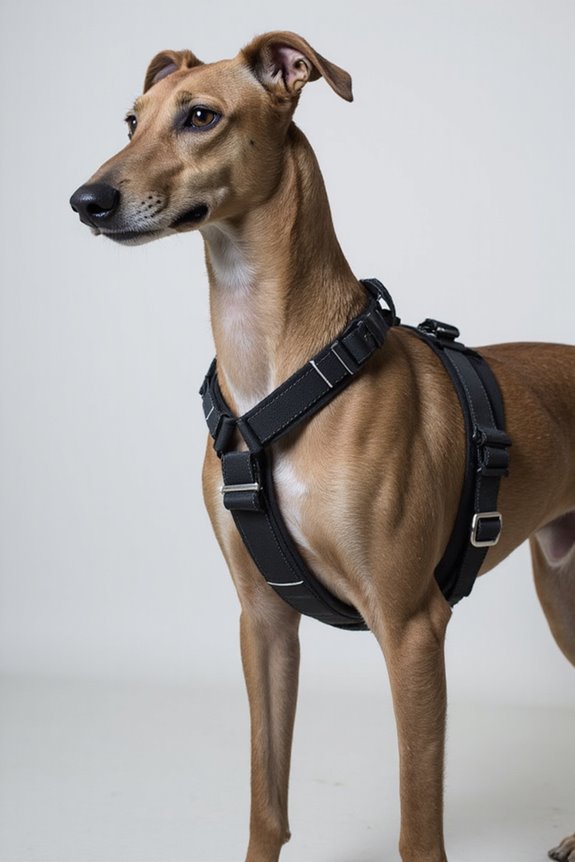
Support harnesses play an essential role in enhancing the stability and mobility of older sighthounds, especially those facing age-related mobility issues. The thoughtful harness design guarantees effective weight distribution, minimizing discomfort when lifting or offering support. Key features of support harnesses include:
- Large, strategically placed handles for easy lifting and assistance.
- Adjustable straps to accommodate various sizes and shapes, providing a snug fit.
- Breathable, soft materials that prioritize comfort during extended wear.
These harnesses enhance stability on stairs and slippery surfaces, providing critical support for seniors recovering from surgeries or managing joint issues. By incorporating support harnesses, we help our beloved older sighthounds maintain activity levels and improve their overall quality of life, all while safeguarding their bodies and our own. Additionally, choosing harnesses with multiple adjustment points can further ensure a comfortable and secure fit for individual dogs.
Importance of Body Braces and Joint Supports
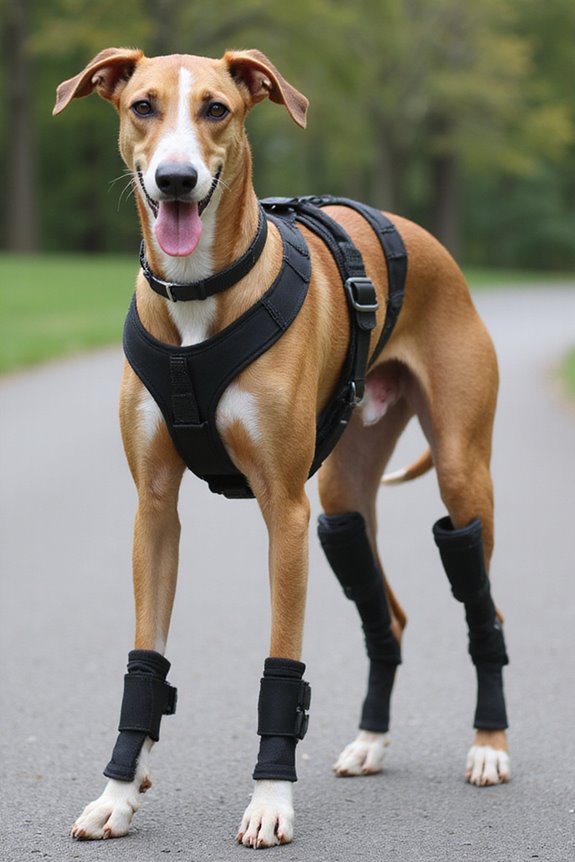
Maintaining mobility and joint health in older sighthounds greatly benefits from the use of body braces and joint supports. These devices promote joint stabilization, helping our dogs manage various conditions such as arthritis or ligament injuries. Key benefits include:
- Compression: Reduces swelling and inflammation, enhancing recovery.
- Support: Stabilizes joints, decreasing pain and minimizing muscle tension.
- Customization: Proper brace fitting is essential for comfort; consulting a veterinary specialist guarantees the best choice.
Using body braces can enhance mobility by allowing partial weight-bearing and supporting rehabilitation efforts. Additionally, incorporating joint supplements along with the use of braces can further aid in joint health and overall mobility. When integrated into a thorough treatment plan, they can greatly improve the quality of life for our older sighthounds, making every step easier and more comfortable. Investing in these aids is a proactive approach to joint health.
Pet Stairs and Ramps for Easy Access

Pet stairs and ramps serve as essential tools for enhancing accessibility in our homes for older sighthounds. These aids greatly reduce joint pain by allowing our dogs to avoid jumping from heights. Here’s what to take into account when choosing the right options:
- Pet Staircase Design: Look for gentle incline ramps rather than steep stairs, particularly for long-backed breeds.
- Ramp Stability Features: Select ramps with non-slip surfaces and side rails to guarantee a secure footing.
Portable options made from lightweight materials, like foam or aluminum, offer ease of transportation. Regularly checking the stability and cleanliness of these aids helps maintain their effectiveness. Additionally, it’s vital to ensure your sighthound has a comfortable resting spot with a cozy greyhound house coat, providing warmth and support as they navigate their surroundings. By providing our sighthounds with better access to desired spaces, we ensure they remain independent and comfortable in their daily lives.
Dog Strollers and Carriers for Mobility Challenges
As our sighthounds age, they may face mobility challenges that can hinder their ability to enjoy activities they once loved. Dog strollers offer significant benefits, allowing elderly sighthounds to safely explore outdoor environments without overexertion. Features include:
- Various sizes suited for sighthound frames with padded interiors and mesh panels for ventilation.
- Four-wheel suspensions ensuring a smooth ride over uneven surfaces, reducing joint strain.
- Safety harnesses for secure transport and adjustable handles for user control.
Additionally, carriers provide alternative options for short distances, emphasizing carrier safety. They minimize pressure on delicate joints while allowing us to transport our pets with ease. Whether for quick trips or longer outings, these mobility aids enhance our sighthounds’ quality of life. Furthermore, choosing the right option may require considering size and fit considerations to ensure comfort for our pets during their outings.
Home Adaptations for Improved Navigation
Creating a more navigable home environment for our aging sighthounds is essential for their safety and comfort. Here are some effective home adaptations:
- Home Layout: Maintain consistent furniture placement to support their spatial memory. Incorporating different textured rug paths can guide them to essential areas like food and exits.
- Lighting Strategies: Use consistent lighting to minimize shadows, aiding visibility for dogs with deteriorating sight. Consider adding night lights to assist during nighttime navigation.
- Ramps: Install gentle ramps to reduce strain when accessing elevated areas.
- Safety Barriers: Secure baby gates can safeguard against falls, while non-slip flooring or rugs provide stability on slippery surfaces.
These adaptations enhance our sighthounds’ quality of life, promoting ease of navigation and reducing risks.
Therapeutic Approaches for Aging Sighthounds
While aging sighthounds may face various challenges, implementing therapeutic approaches can greatly enhance their quality of life.
- Cognitive therapies can be beneficial. Medications like selegiline may slow oxidative brain damage, while antioxidants such as SAMe and ginkgo biloba support cognitive health.
- Nutritional support plays a crucial role as well. Diets enriched with fish oils and medium-chain triglycerides can slow cognitive decline. Weight management is essential to reduce joint stress.
- Regular exercise and physical therapies, such as massage or acupuncture, help maintain mobility and alleviate discomfort.
Key Considerations for Sighthound Care
Caring for aging sighthounds requires thoughtful consideration of their unique needs, particularly as mobility issues can arise with age. We must prioritize diet management, ensuring they’re on a balanced, nutrient-rich diet tailored to their health conditions. Consult your veterinarian for guidance on the best food options that can aid in maintaining ideal weight and muscle health.
Additionally, establishing regular exercise routines is crucial. Short, gentle walks on flat terrains can help exercise their muscles without overstraining joints. We can also incorporate mental stimulation, such as engaging activities, to keep our sighthounds active and engaged. Finally, adapting the environment by adding ramps, soft bedding, and ensuring non-slip surfaces can enhance their quality of life considerably as they age.
Recognizing Signs That Mobility Aids Are Needed
Recognizing the signs that mobility aids are needed can markedly improve our older sighthounds’ quality of life. By closely observing our dogs, we can identify key indicators:
- Changes in Gait: A stilted gait, limping, or shorter walks suggest joint issues or pain.
- Physical Activity Difficulties: Hesitation to jump or climb can signal discomfort, while swaying when standing hints at balance problems.
- Muscle and Joint Health: Noticeable muscle atrophy, joint stiffness, or limping points to underlying conditions like arthritis.
- Behavioral Changes: Reduced activity, irritability, or reluctance to play may indicate pain or mobility limitations.
Conducting a thorough mobility assessment allows us to respond promptly to these signs, ultimately supporting our beloved companions in their golden years.
Frequently Asked Questions
What Are the Best Mobility Aids for Specific Sighthound Breeds?
For specific sighthound breeds, we recommend the best harnesses, supportive slings, and mobility wheels. Joint supplements, balance exercises, and cushioning pads further enhance their comfort and mobility, ensuring our beloved companions remain active and happy.
How Do I Know When to Transition to a Mobility Aid?
Did you know that over 50% of senior dogs show noticeable mobility decline? We should look for changes signs, like reluctance to walk or stiffness, and guarantee regular mobility assessments to determine the right time for aids.
Can Mobility Aids Worsen My Sighthound’s Conditions?
Yes, mobility aids can worsen our sighthound’s conditions without proper condition assessment and professional guidance. Ensuring aid effectiveness is essential for maintaining sighthound health and preventing discomfort, injury, or further complications from inappropriate use.
Are There Funding Options for Purchasing Mobility Aids?
Yes, there are funding options for mobility aids! We can explore grants availability and financial assistance through non-profits, crowdfunding, and veterinary financing, making it easier to secure the help our beloved sighthounds need.
How Can I Train My Sighthound to Use Mobility Aids?
Training our sighthound to use mobility aids shouldn’t feel like wrestling a grizzly bear! With positive reinforcement and a gradual introduction, we can make this journey enjoyable, fostering comfort and confidence as they learn to adapt.