As an Amazon Associate, we earn from qualifying purchases. Some links on this site are affiliate links at no extra cost to you. Our recommendations are based on thorough research and editorial judgment.

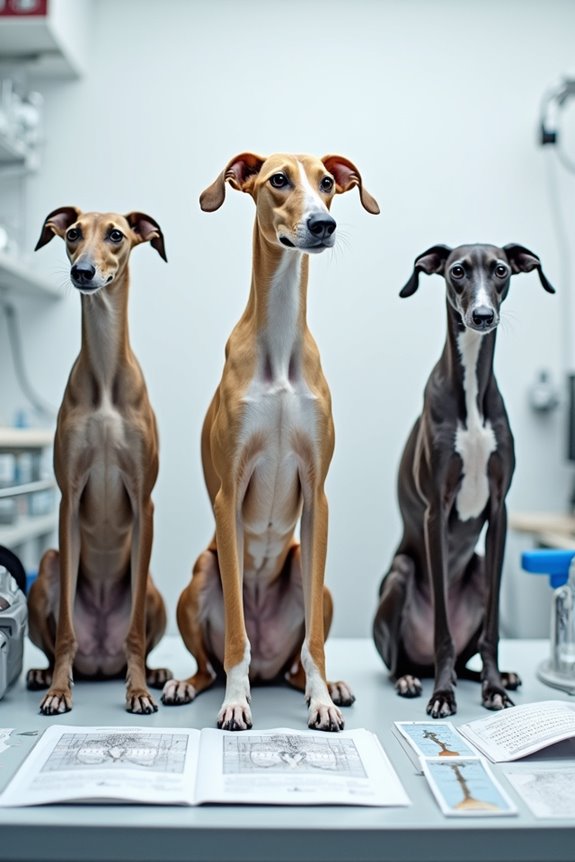
What Are Sighthound Research Studies Questions?

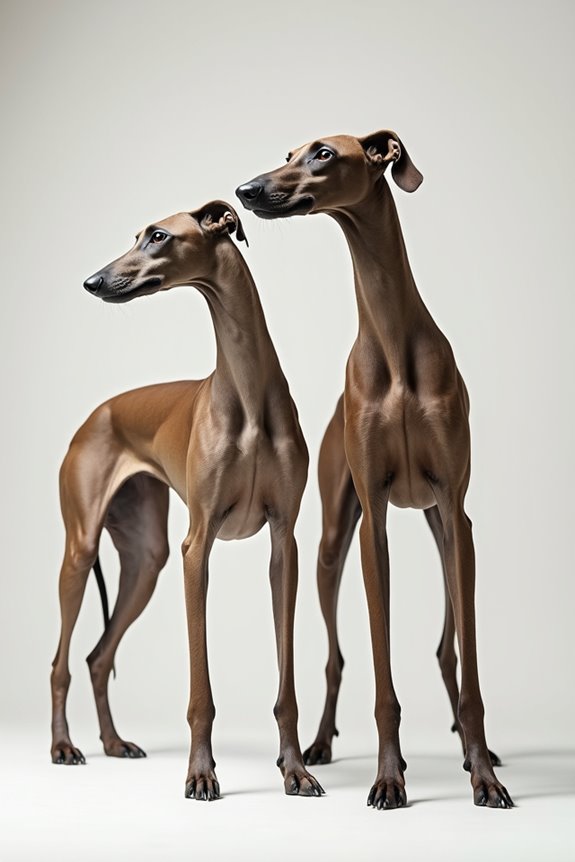
Sighthound research studies explore key questions about their unique traits and behaviors. We investigate their genetic profiles, focusing on traits like chase behaviors and specific health conditions. Comparisons with other breeds reveal distinct behavioral patterns, such as their high prey drive and independent nature. Additionally, we look into health parameters, such as urinary concentrations that differ from non-sighthounds. Understanding these factors is vital, and we invite you to discover more about these fascinating breeds.
Key Takeaways
- What genetic variants contribute to the unique health profiles of sighthounds, particularly concerning cardiovascular and neurological traits?
- How does the high prey drive in sighthounds affect their behavior and training requirements?
- In what ways do sighthounds’ emotional expressions differ from other dog breeds, especially regarding human bonding?
- What specific management strategies are needed to address the low total T4 or T3 levels commonly observed in sighthounds?
- How does the independent nature of sighthounds impact their training and socialization compared to other breeds?
What Genetic Traits Define Sighthounds?
Sighthounds are defined by a unique combination of genetic traits that enhance their distinctive physical and behavioral characteristics. These breed characteristics stem from genomic sequencing, revealing 64 enriched Gene Ontology terms linked to sighthound phenotypes.
Key genetic variations include:
- Neurological focus: Involves genes tied to axon development and cell adhesion.
- Cardiovascular fitness: Selective genes enhance heart rate regulation and heart development, essential for speed.
- Behavioral traits: 131 genetic variants underline chasing behavior, with strong heritability showing a genetic basis rather than environmental influence.
These complex genetic mechanisms contribute to the sighthound’s remarkable hunting and racing capabilities. Understanding these traits and their evolution helps us appreciate the remarkable adaptability and performance of these incredible breeds. Additionally, exploring nutritional value in their diets is crucial for maintaining their health and performance.
How Do Sighthound Behaviors Compare to Other Breeds?

While exploring canine behavior, we find that the traits exhibited by sighthounds differ markedly from those of other breeds. Here are some key sighthound differences in breed behavior:
- Reactivity: Sighthounds often show high reactivity, particularly towards other dogs, blending nervousness with bursts of excitement.
- Hunting instincts: Unlike other breeds, sighthounds primarily rely on sight for hunting, showcasing superior visual tracking and long-distance chases.
- Social behaviors: They bond closely with their human companions, displaying loyalty, yet can be somewhat aloof with strangers.
- Training challenges: Their independent nature may lead to stubbornness, necessitating patient training methods.
- Activity levels: Sighthounds oscillate between intense activity and resting phases, a contrast to the more consistent energy levels seen in other breeds.
Additionally, understanding their comfort and safety features ensures that training tools, like harnesses, are suited to their unique needs for effective training and care.
Understanding these behaviors guarantees better interactions and care for sighthounds.
What Distinguishes the Kazakh Tazy From Other Sighthounds?
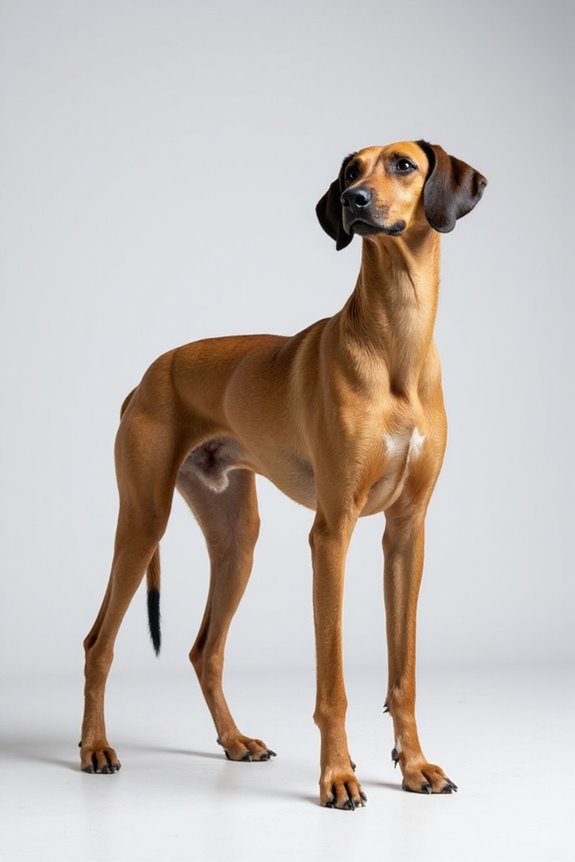
Kazakh Tazy, a remarkable breed among sighthounds, possesses distinct characteristics that set it apart from others like the Afghan Hound and Arabian Saluki. Here are some key distinguishing features:
- Genetic Distinctiveness: The Kazakh Tazy has a unique gene that grants it superior endurance and sprint speed, contributing to its adaptation for hunting in diverse terrains.
- Physical Traits: With a lean, muscular body, it averages 60-70 cm in height and weighs 20-24 kg, designed for agility and stamina.
- Cultural Significance: This breed has been valued in Kazakhstan for over 4,000 years, serving both as a hunting companion and a protector.
- Behavior: Known for its intelligence and independent nature, the Kazakh Tazy requires ample exercise to thrive, showcasing its unique endurance. Additionally, regular exercise is essential for maintaining overall health and well-being, reflecting similar needs to other sighthound breeds.
What Are the Unique Health Profiles of Sighthound Breeds?
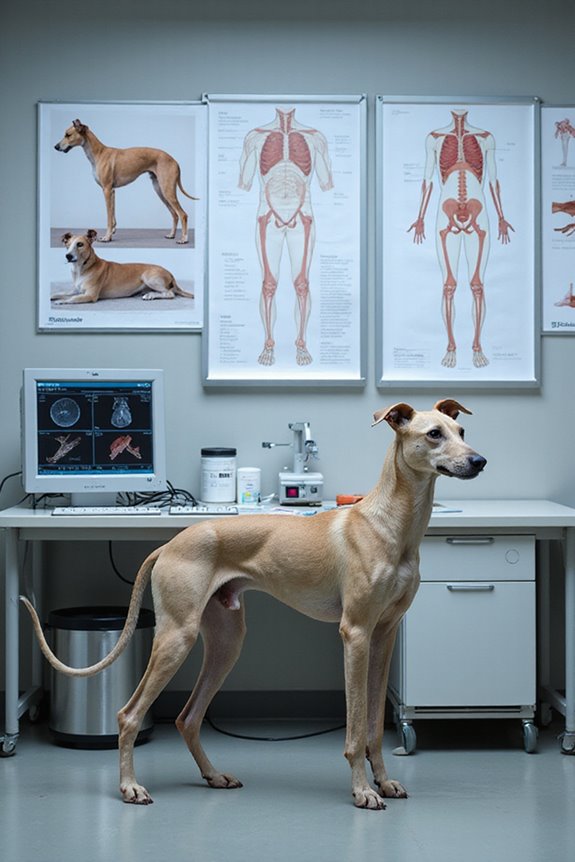
How do the health profiles of sighthound breeds differ from those of other dog breeds?
- Hematologic Differences: Sighthounds, like Greyhounds, have higher hematocrit (50-63%), hemoglobin, and mean corpuscular volume than other breeds. Their white blood cell and platelet counts are typically lower.
- Thyroid Function: Over 70% of sighthounds show low total T4 or T3 levels, complicating hypothyroidism diagnoses. Standard reference intervals may inaccurately classify their thyroid status.
- Cardiovascular Physiology: Sighthounds exhibit specialized cardiovascular traits, including higher systematic blood pressure, which can exceed 160 mmHg.
- Genetics and Disease: Research on genetic mutations in sighthounds is ongoing, aiming to improve our understanding of inherited heart diseases and overall sighthound health. Additionally, understanding the unique health profiles of sighthound breeds can lead to more effective care strategies tailored to their specific needs.
Understanding these aspects is vital for effective breed-specific health management.
How Do Urinary Parameters Vary Among Sighthounds?

Understanding the variations in urinary parameters among sighthounds raises important questions for veterinarians and owners alike.
- Sighthounds show significant differences in urinary metrics compared to non-sighthound breeds. Their urinary protein concentration averages about 249 mg/l, lower than the 300 mg/l found in other breeds (P = 0.045).
- Additionally, their urinary creatinine concentration is particularly higher, measuring around 23.0 mmol/l compared to 17.5 mmol/l in non-sighthounds (P = 0.000).
- The urine protein-to-creatinine (UPC) ratio reflects this trend as well; sighthounds have UPC values averaging 0.13 versus 0.18 in non-sighthounds (P = 0.000).
- These variations suggest a need for breed-specific reference intervals for accurate diagnostics, even if the clinical implications remain limited. Furthermore, ensuring proper essential fatty acids intake can play a role in sighthounds’ overall health and may influence urinary health.
What Research Methodologies Are Used in Sighthound Studies?
In the domain of sighthound studies, various research methodologies play an essential role in advancing our understanding of these unique breeds. One prominent approach is genomic analysis, which includes techniques like whole-genome sequencing (WGS) to explore population history and trait genetics. We utilize single nucleotide polymorphism (SNP) calling pipelines to identify reliable genetic markers and positively selected genes linked to athletic traits.
Additionally, behavioral studies leverage surveys to quantify traits such as aggression and attachment in sighthounds. Through Principal Component Analysis (PCA), we can identify key behavioral patterns explaining over 70% of variance, followed by unsupervised clustering techniques to reveal natural groupings. Combining these methodologies enriches our knowledge of sighthounds’ genetics and behavior. Furthermore, studying nutritional requirements can provide insights into how diet influences their overall health and performance.
How Do Sighthound Genomic Traits Influence Performance?
What genomic traits contribute greatly to the performance of sighthounds? Understanding these traits reveals how genomic pathways shape their unique abilities.
- Neural Coordination: Enriched pathways like “axon development” enhance sensory perception and concentration, crucial for tracking prey.
- Cardiovascular Performance: Genes regulating heart rate and development align with improved endurance and speed, necessary for high-speed pursuits.
- Muscle Efficiency: Genetic variations in muscle fiber composition support explosive acceleration and stamina.
- Keratin Diversity: Variations in keratin genes impact coat and skin features, enhancing aerodynamics and protection.
What Behavioral Characteristics Are Unique to Sighthounds?
Sighthounds exhibit a fascinating set of behavioral characteristics, shaped by their unique adaptations and evolutionary history. Their wide-set, elongated skulls enhance peripheral vision, allowing for superior motion detection and depth perception. This visual excellence supports their hunting strategies, which prioritize sight over scent.
Key behavioral adaptations include:
- Calm Independence: Sighthounds typically exhibit a calm temperament but require socialization for compatibility in family settings.
- Emotional Expression: They display individual variations in signaling positive emotions, such as tail wagging when excited.
- Prey Drive: A high prey drive leads to impulsive chasing behavior, necessitating patient training.
- Attachment: Many sighthounds form strong bonds with humans, demonstrating loyalty and affectionate nature.
These traits reflect the unique blend of genetic influences on behavior among sighthound breeds.
Frequently Asked Questions
How Do Sighthounds Interact Socially With Other Dog Breeds?
Sighthounds often display reserved play behavior, requiring positive reinforcement for better social interactions with other breeds. With patient training, we can help them connect more comfortably and reduce any instinctive prey-driven tendencies during play.
What Training Methods Are Most Effective for Sighthounds?
Like a gentle breeze guiding a sailboat, positive reinforcement and clicker training effectively steer sighthound behaviors. By rewarding desired actions, we cultivate an atmosphere of trust that helps our dogs flourish in their training journeys.
Are Sighthounds Prone to Specific Behavioral Issues?
Yes, sighthounds can be prone to specific behavioral issues, including sighthound anxiety and sighthound aggression. We’re often reminded that understanding their unique traits can greatly help us mitigate these challenges effectively.
How Do Genetics Affect Sighthound Lifespan and Aging?
Genetic markers markedly influence sighthound lifespan and aging. We’ve observed lifespan variations tied to specific genes affecting cardiovascular health and physiological traits, underlining the essential role genetics plays in determining longevity in these breeds.
What Environmental Factors Influence Sighthound Behavior and Health?
Environmental factors like dietary influences and habitat variability shape sighthound behavior and health. We’ve seen how different environments affect their adaptability and stress levels, impacting overall well-being and behavioral tendencies considerably.