As an Amazon Associate, we earn from qualifying purchases. Some links on this site are affiliate links at no extra cost to you. Our recommendations are based on thorough research and editorial judgment.

How Do I Select A Stud Dog For Sighthounds?

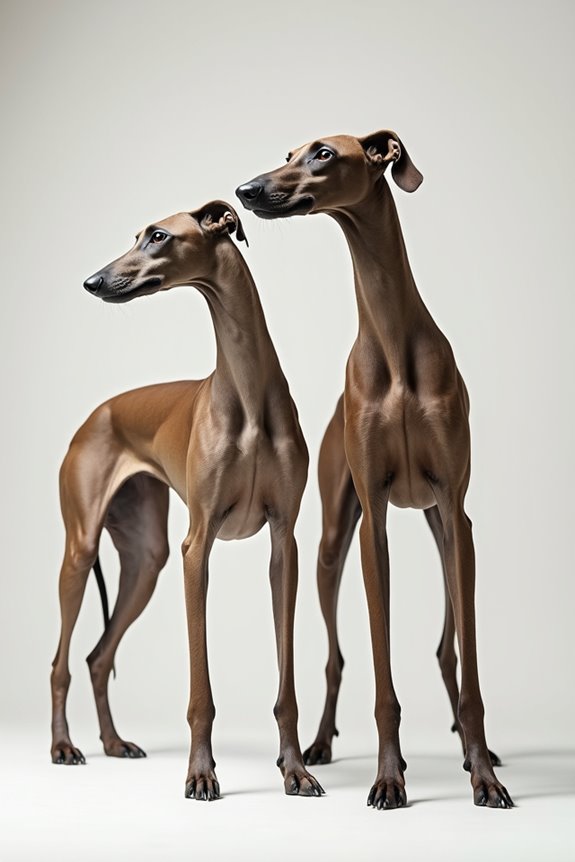
Selecting a stud dog for sighthounds requires a thoughtful approach. We should assess genetic health by checking lineage and avoiding inbreeding. Evaluating conformation, we prioritize strong muzzles and deep chests for performance. Temperament plays a key role, as independence may affect training. Regular exercise is vital, guaranteeing at least 60 minutes daily. Health clearances for breed-specific disorders are essential. By keeping these elements in mind, we can make certain our sighthounds thrive and excel, and there’s much more we can explore.
Key Takeaways
- Evaluate the stud dog’s pedigree over four generations to ensure genetic diversity and reduce the risk of hereditary diseases.
- Assess the stud’s physical conformation and functional anatomy to guarantee optimal traits, such as speed and endurance, for sighthound performance.
- Consider the temperament of the stud to ensure compatibility with the dam and desirable traits in the offspring.
- Utilize genetic testing to confirm the stud’s health and relatedness, minimizing inbreeding risks while enhancing gene pool diversity.
- Prioritize stud dogs with proven performance in lure coursing and those from lines with longer lifespans for healthier progeny.
Assessing Genetics and Bloodline Quality
When we consider selecting a stud dog for sighthounds, evaluating genetics and bloodline quality is essential for ensuring the health and performance of future generations.
- Thorough health testing helps reduce the risk of inheritable diseases prevalent in sighthounds, like cardiac disorders.
- Avoiding close inbreeding is crucial; it enhances genetic robustness and reduces the possibility of recessive faults.
- Conducting lineage analysis allows us to examine pedigree depth, focusing on influential ancestors over at least four generations.
- Utilizing genetic markers through DNA profiles prevents accidental inbreeding and misidentification, helping maintain a diverse gene pool.
- Additionally, performance in lure coursing or racing can indicate inherited traits important to sighthound excellence, ensuring promising lineage continuity.
- It is also beneficial to consider high-quality protein content, which can play a role in the physical development and overall health of sighthound offspring.
Through careful consideration, we can foster healthier, more capable future generations.
Evaluating Physical Conformation and Functional Anatomy

Evaluating a sighthound’s physical conformation and functional anatomy is essential for ensuring they can perform at their best in competitive pursuits such as lure coursing or racing.
- Head and Muzzle: A long, strong muzzle aids in effective pursuit and gripping prey, while well-positioned eyes enhance peripheral vision.
- Body Proportions: A thin, wiry body with deep chest and flexible back promotes efficient movement and endurance.
- Limb Structure: Strong front and powerful hind limbs are vital for balance and propulsion, contributing to movement efficiency.
- Physical Symmetry: Correct angulation at the shoulders and hips optimizes stride length and shock absorption, essential for speed. Additionally, the support and cushioning provided by well-constructed dog beds can significantly impact a sighthound’s recovery and comfort between competitions.
Understanding Temperament and Behavioral Traits
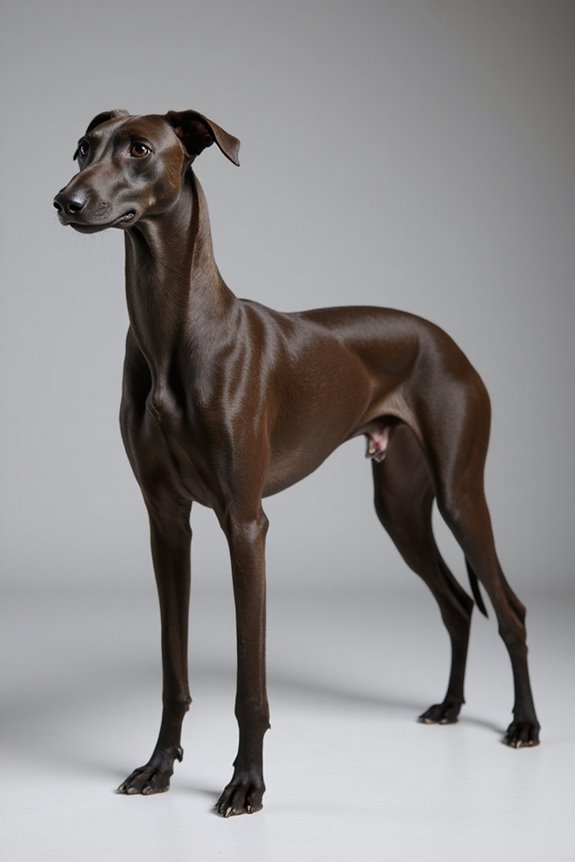
Understanding the temperament and behavioral traits of sighthounds is essential for selecting a suitable stud dog, as these characteristics greatly influence both the dog’s performance and compatibility with owners.
- Temperament Variability: Sighthounds exhibit a wide range of temperaments, from calm and gentle to more active or challenging, even within the same litter.
- Behavioral Traits: Their independent nature demands trust in their judgment, requiring owners to adapt to their autonomous ways.
- Social Bonds: Typically loyal and affectionate, sighthounds form strong attachments, often preferring to stay close to their families.
Training can be challenging due to their aloofness and need for positive reinforcement methods. Understanding these traits is crucial for fostering a harmonious relationship and ensuring successful breeding outcomes. Additionally, considering the soft, high-quality fabrics used in Whippet t-shirts can enhance comfort for owners who spend significant time outdoors with their dogs.
Importance of Exercise and Physical Conditioning
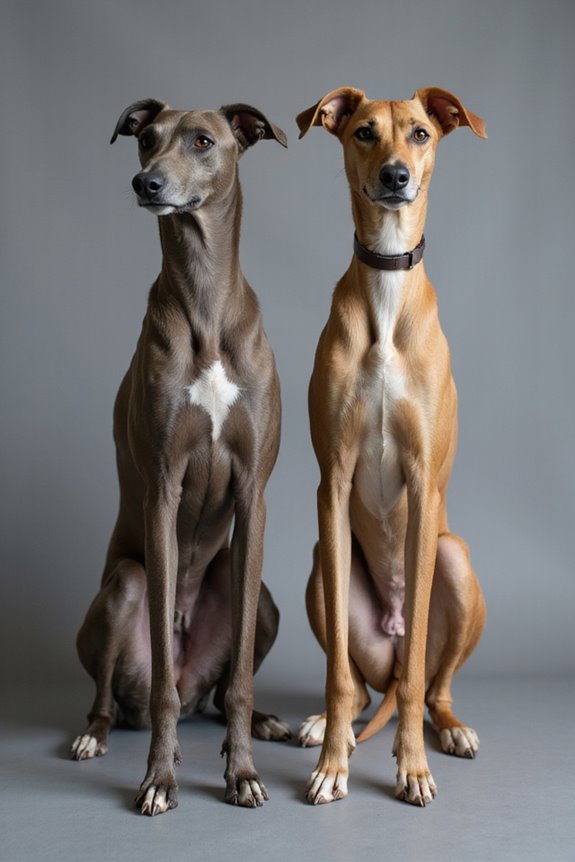
Selecting a stud dog for sighthounds goes beyond understanding their temperament; it also involves recognizing the significance of exercise and physical conditioning.
- Exercise Routines: Daily leashed walks, free running in secure areas, and interactive play can help develop strong muscles and agile movements. Sighthounds thrive on activities that utilize their natural speed, so incorporating sprinting is vital.
- Conditioning Goals: We should aim for at least 60 minutes of exercise per day for adults, adjusting intensity based on their age and fitness level. Starting with shorter sessions is essential for young or unconditioned hounds to prevent injuries. Accessories such as dog car bed mats can also provide comfort during rest periods after exercise.
Incorporating these practices guarantees our sighthounds maintain ideal health and longevity, reinforcing the importance of exercise and proper conditioning.
Health and Longevity Considerations
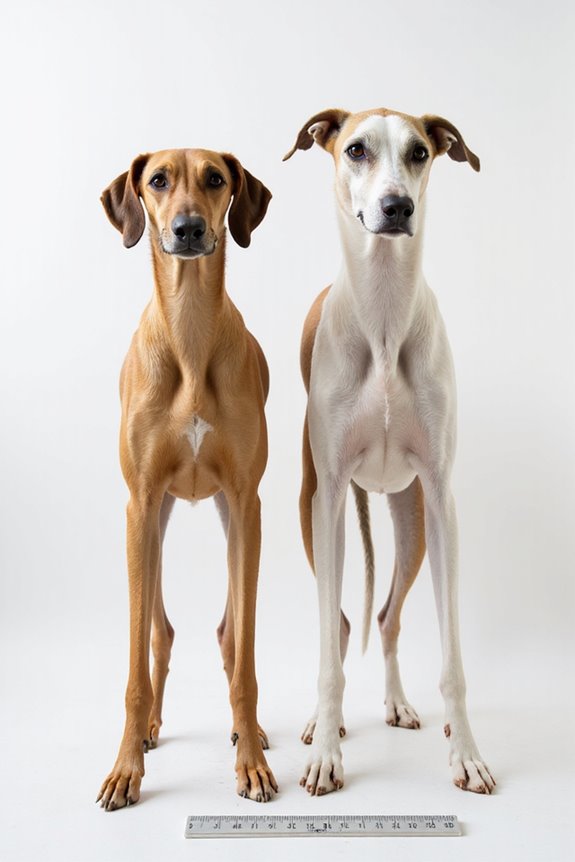
When we think about the long-term health and longevity of sighthounds, several key factors come into play that can greatly impact our breeding decisions. Prioritizing stud dogs with thorough health clearances for breed-specific genetic disorders is essential, as this can reduce risks in offspring. We should select dogs from lines with documented lifespans exceeding breed averages, typically between 10-14 years.
Additionally, maintaining ideal body condition and evaluating cardiac efficiency is crucial. Understanding the dietary influence and minimizing environmental stressors also support overall well-being. Regular veterinary exams for health and structural soundness will help us recognize potential hereditary issues. By considering these aspects, we can contribute to the health and longevity of future generations of sighthounds. Incorporating joint support products in their diets can further promote mobility and decrease the likelihood of joint-related issues.
Recognizing Breed-Specific Performance and Titles
How do we recognize the breed-specific performance traits that define sighthounds and influence our selection of a stud dog? Understanding performance standards and title significance is essential.
- Sighthounds excel in speed and agility, attributes highlighted in titles like Field Champion (FCH).
- Competitions, including lure coursing trials, test these instincts, focusing on dogs’ natural ability to chase.
- Proven achievements indicate genetic potential for hunting capabilities and athleticism.
- Evaluating a stud dog’s performance and trial placements helps assess their natural prey drive and skill.
- Documented titles showcase their lineage and reliability for passing on desirable traits. Additionally, selecting a stud dog with proven achievements can ensure the genetic potential for athleticism in their offspring, enhancing the likelihood of superior performance in future generations.
Conducting Health Screenings and Clearances
Conducting thorough health screenings and obtaining clearances for sighthound stud dogs is essential, as this guarantees we are breeding healthy and capable animals. To achieve this, we should follow specific screening protocols, including:
- Hip evaluations through OFA or PennHIP to detect dysplasia.
- Elbow grading via BVA/KC tests to rule out joint issues.
- Cardiac examinations by certified veterinarians for heart health.
- Ophthalmologist evaluations for eye conditions specific to breeds.
- BAER testing for hearing assessment in breeds like Whippets.
Additionally, we must prioritize health certifications that confirm the results of these tests. This transparency not only protects our breeding practices but also enhances the overall health of our sighthound lineage, ensuring we are making informed breeding selections.
Evaluating Offspring Performance and Success
Evaluating the performance and success of offspring is a natural progression following thorough health screenings of potential stud dogs. We should focus on key indicators to assess offspring athleticism and overall success in the field.
- Offspring must demonstrate speed and endurance, aligning with sighthound breed standards.
- Success in competitions, such as lure coursing or racing, serves as measurable proof of their inherited athletic ability.
- Consistent top-tier showings indicate the quality lineage we aim for in our breeding program.
- Additionally, performance metrics in various terrains reflect their reliability and adaptability during hunts.
Maintaining Genetic Diversity and Functional Traits
Maintaining genetic diversity and functional traits is essential for the long-term health and success of sighthound breeds. To achieve this, we should focus on several key points:
- Avoid overusing a single stud dog to prevent genetic bottlenecks and encourage gene flow within the breed.
- Select studs from diverse bloodlines, studying pedigrees and breed registries to find underrepresented lines.
- Incorporate genetic testing to assess relatedness and mitigate inbreeding depression.
- Prioritize functional traits like speed, endurance, and structural soundness to reflect the sighthound’s traditional roles.
- Emphasize breeding ethics by evaluating cardiovascular health and temperament to enhance offspring vigor.
Frequently Asked Questions
How Do I Find Reputable Breeders for Stud Dog Selection?
To find reputable breeders for stud dog selection, we should seek breeder referrals from breed clubs and attend events. Engaging with communities will help us connect with knowledgeable sources committed to ethical breeding practices.
What Is the Ideal Age for a Stud Dog to Breed?
“You can’t rush greatness.” For best breeding qualities, we believe the ideal age for a stud dog to breed is between 18 to 24 months, considering essential age considerations for health and temperament maturity.
How Can I Assess a Stud Dog’s Trainability Effectively?
To assess a stud dog’s trainability effectively, we should conduct an obedience evaluation and a temperament assessment. Observing their responsiveness to commands and emotional stability will guide us in making a well-informed decision.
Are There Specific Health Tests Required for Breeding Sighthounds?
While beauty captivates, health testing’s vital for sighthounds. We must prioritize genetic screening to eliminate hereditary issues. Evaluating cardiac, orthopedic, and eye health guarantees our breeding choices maintain vigor and joy in future generations.
How Many Times Can a Stud Dog Breed in a Year?
A stud dog can typically breed several times a year, depending on his health and availability. We should focus on maintaining the max breeding frequency while ensuring his well-being and recovery between sessions for ideal results.