As an Amazon Associate, we earn from qualifying purchases. Some links on this site are affiliate links at no extra cost to you. Our recommendations are based on thorough research and editorial judgment.

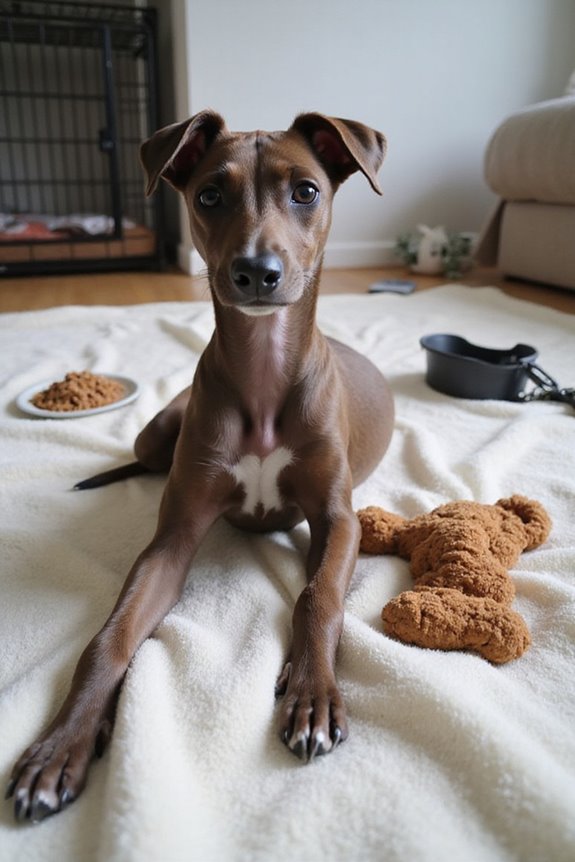
What Should I Know About First Year Care For Sighthound Puppies?

Caring for sighthound puppies during their first year involves key practices for their well-being. We should focus on early socialization, emphasizing controlled exposure to various stimuli between 6 to 16 weeks. Establishing a daily routine with proper nutrition is essential; feeding puppy-formulated food three times daily is recommended. Exercise needs vary, with around 15-30 minutes of controlled activity daily. Additionally, we must implement basic training methods consistently to promote healthy behavior. More insights await in the sections ahead.
Key Takeaways
- Begin socializing sighthound puppies between 6 to 16 weeks to reduce anxiety and foster positive behaviors throughout their lives.
- Provide a balanced diet of puppy-formulated food, feeding three times daily and ensuring fresh water is always available.
- Engage in daily controlled exercise, around 15-30 minutes for Whippets and walking at least 5 miles weekly for Italian Greyhounds.
- Use consistent and positive training methods, rewarding good behavior and correcting misbehavior gently to build trust and communication.
- Prepare for car travel by creating a comfortable environment, using safe restraints, and gradually acclimating puppies to longer trips.
Importance of Early Socialization
When we think about raising sighthound puppies, understanding the importance of early socialization is essential. This process involves controlled positive exposure to various stimuli, which helps reduce fear and anxiety in unfamiliar situations. The benefits of socialization during critical periods, particularly between 6 to 16 weeks, cannot be overstated. During this time, experiences shape adult behavior, making it vital to take advantage of these developmental moments.
Key points to bear in mind include:
- Early socialization fosters confidence and adaptability in various environments.
- Proper exposure minimizes timidity and stress responses.
- Continued socialization beyond the initial period further enhances a dog’s behavioral outcomes.
- Incorporating high-quality ingredients in their diet can also support overall well-being during this formative stage.
Establishing a Daily Routine
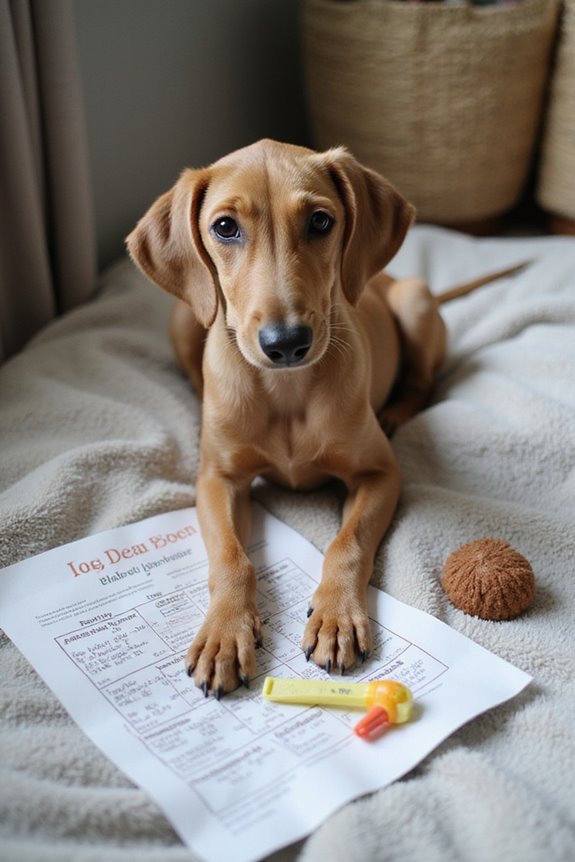
Establishing a daily routine is essential for sighthound puppies, as it lays the foundation for their growth and wellbeing.
- Feeding Schedule: We should feed our sighthound puppies puppy-formulated food three times daily, aligned with our meal times. Each meal should last about 15 minutes to promote regular eating habits, and we must provide fresh water continuously.
- Potty Routine: To aid with house training, we must schedule outdoor potty breaks immediately upon waking and around mealtimes. Using a crate for confinement helps prevent accidents, and the last potty opportunity should occur before bedtime. Including high-quality dog food ingredients is crucial for their health and energy levels as they grow.
Exercise Needs for Sighthound Puppies
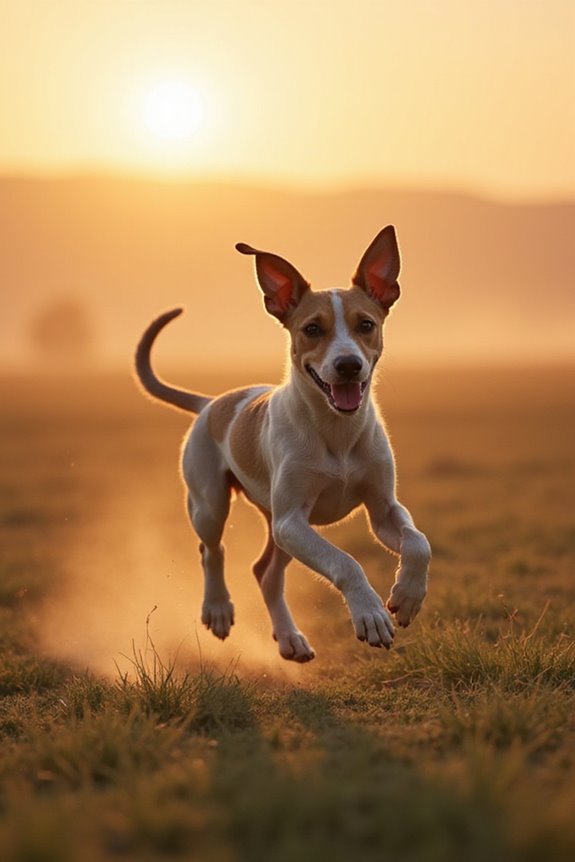
Understanding the exercise needs of sighthound puppies is crucial for their healthy development and well-being. These energetic breeds require a balanced routine of exercise intensity and playtime variety to thrive.
- Whippet Puppies: Need about 15-30 minutes of controlled exercise daily, split into shorter sessions.
- Italian Greyhounds: Benefit from at least 5 miles of walking weekly, around ¾ miles daily.
We should incorporate various forms of exercise. Safe free running in a fenced area allows them to release energy, while gentle leash walks promote gradual fitness. Engaging games, like hide-and-seek with treats, stimulate their minds.
Additionally, providing a waterproof mat helps keep your home clean and dry after playtime or outdoor activities.
Consistent changes in environment and route enhance their excitement and prevent boredom. Monitoring their energy levels and adjusting accordingly guarantees they remain happy and healthy.
Managing Chewing and Teething
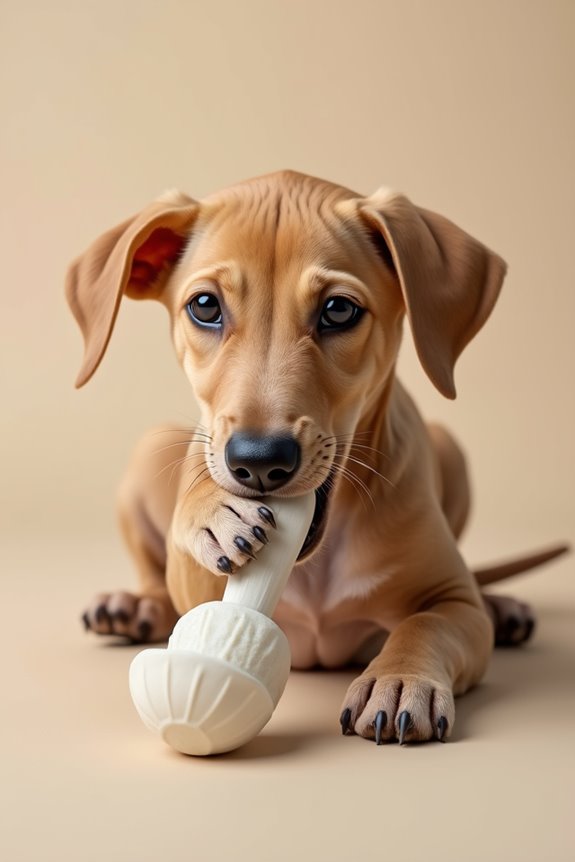
Teething can be a challenging phase for sighthound puppies as they shift from their baby teeth to adult teeth, which typically occurs between 3 to 8 months of age. During this time, we may notice various teething symptoms, including increased chewing behavior, swollen gums, and irritability.
To manage their chewing, we recommend providing durable chew toys designed for teething pups. Consider rotating toys to maintain their interest and help soothe inflamed gums. Cold or frozen toys can also alleviate pain effectively. Additionally, select toys that promote dental health benefits to assist in cleaning their teeth while providing comfort during this time.
It’s essential to supervise our puppies during play to prevent damage to our belongings or potential ingestion of harmful objects. Rather than reprimanding them for chewing, we should teach them boundaries while recognizing their need for relief during this vital development stage.
Training Basics for Healthy Behavior
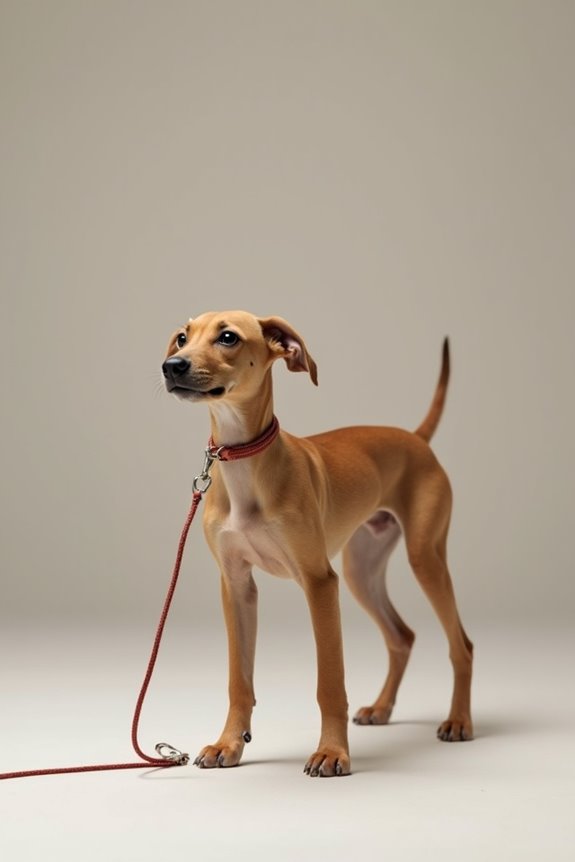
Training sighthound puppies involves several key components that lay the foundation for healthy behaviors. To foster obedience, we should use a calm, firm voice when giving commands like “sit,” “down,” “stay,” and “come.” Consistency is vital; we only give commands once and guide our puppies to comply without repetition.
Utilizing positive reinforcement, we reward correct behaviors with enthusiastic praise, varying rewards among treats, petting, and playtime to keep them motivated. Misbehavior should be corrected gently with a sharp “NO” instead of physical punishment. Early socialization is important, exposing our puppies to varied environments to cultivate adaptable behavior. Finally, we guarantee command consistency to build trust and effective communication, ultimately promoting a well-adjusted and obedient companion. Providing a traffic leash with dual handles can significantly enhance control during training walks, ensuring safety and comfort for both you and your puppy.
Ensuring Home Safety and Puppy-Proofing
Creating a safe home environment for our sighthound puppies is as important as training them for healthy behavior. To guarantee their safety, we should focus on several key areas:
- Hazardous Substances: Store cleaning supplies and medications out of reach, using high cabinets or childproof latches, to prevent accidental exposure.
- Escape Prevention: Keep doors and windows securely closed; it’s wise to use screens. Barricades can help confine them to safe areas.
- Safe Chewing: Provide appropriate chew toys while removing tempting items like shoes and clothing.
- Electrical Safety: Unplug cords or use concealers to avoid dangerous chewing.
- Small Object Hazards: Regularly inspect areas for choking hazards, guaranteeing small items are always out of reach.
- Flooring Comfort: Utilize rugs or non-slip mats to prevent slips on hard surfaces. Additionally, consider providing your puppy with soft, breathable fabrics like those found in greyhound blanket options for added safety and comfort during their adjustment period.
Positive Exposure to the Environment
When it comes to the well-being of our sighthound puppies, positive exposure to various environments is essential during their formative months. This critical period primarily occurs within the first 16 weeks of life. We should aim for safe, controlled experiences to enhance their sensory development and build comfort.
- Surface Variety: Expose puppies to different floors like grass, tiles, and sand.
- New Locations: Include visits to homes, beaches, and low-traffic areas.
- Sound Familiarity: Gradually introduce noises, such as thunderstorms and lawn mowers, using positive reinforcement to signal safety.
- Routine Practice: Encourage grooming and short car trips.
The Role of Crate Training
As we consider the overall development of our sighthound puppies, crate training plays an essential role in establishing a secure environment. Crates provide notable crate comfort, allowing our puppies to retreat and feel safe amidst stressors like loud noises. They help prevent injuries by restricting movement during recovery from surgeries and reduce anxiety during social situations.
To foster positive associations, we can:
- Use treats, praise, and toys to encourage exploration.
- Create an inviting space with comfortable bedding and chew items.
Tips for Car Travel Acclimation
To successfully acclimate our sighthound puppies to car travel, we need to approach the process with patience and strategic planning.
- Initial Introduction: We can start by letting the puppy explore the car while it’s stationary, rewarding calm behavior with treats, and allowing them to retreat as needed.
- Positive Association: Gradually, we should decrease the distance to the car, pairing each step with high-value rewards and monitoring for stress signals.
- Safe Restraint: It’s essential to use dog-specific seat belts or harnesses to guarantee their safety during travel.
- Manage Motion Sickness: Avoid feeding before trips and keep initial journeys under ten minutes, incrementally increasing duration as they adapt.
These steps will help foster a relaxed attitude toward car travel.
Frequently Asked Questions
What Vaccinations Do Sighthound Puppies Need in Their First Year?
Sighthound puppies need a tailored vaccination schedule, blending core vaccines like distemper and parvovirus with health considerations unique to their breed. Let’s guarantee they thrive, protecting them from preventable diseases along their promising journey ahead.
How Do I Choose the Right Food for My Sighthound Puppy?
To choose the right food for our sighthound puppy, we should focus on high-quality nutrition tailored to breed differences, ensuring sufficient protein and fat content meets their unique energy needs. Balanced nutrition promotes healthy growth and development.
When Should I Schedule My Puppy’s First Vet Check-Up?
Did you know that 65% of puppy health issues are identified during early vet check-ups? We should schedule our puppy’s first vet check-up within 6 to 8 weeks of bringing them home to guarantee ideal health.
What Accessories Are Essential for New Sighthound Puppy Owners?
For new sighthound puppy owners, essential toys and grooming tools are a must. We should invest in engaging toys for mental stimulation and proper grooming tools to maintain their unique coat and dental health effectively.
How Can I Help My Puppy Adjust to a New Home?
To help our puppy adjust, we should focus on crate training for a safe space and utilize socialization tips, introducing them gradually to new experiences, people, and environments to build confidence and ease their transformation.