As an Amazon Associate, we earn from qualifying purchases. Some links on this site are affiliate links at no extra cost to you. Our recommendations are based on thorough research and editorial judgment.

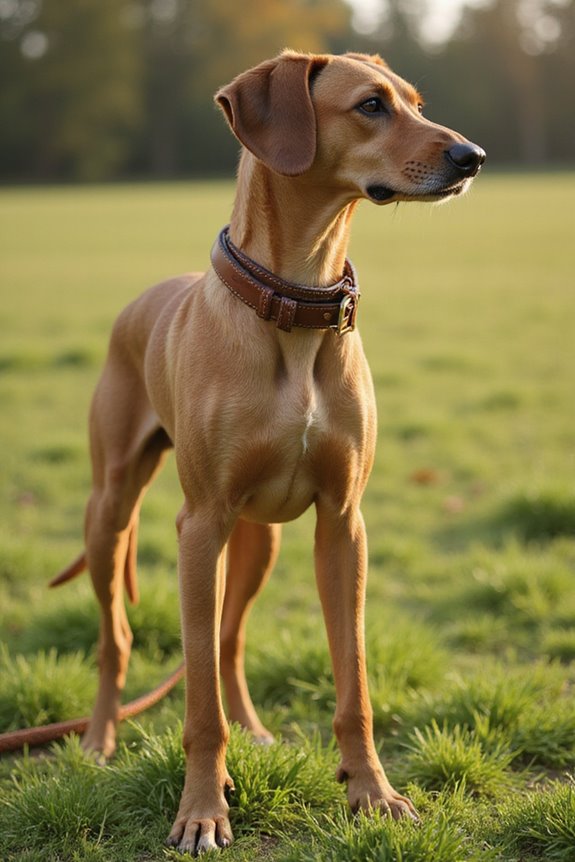
Should Sighthounds Always Be On Leash?

Sighthounds should typically be kept on a leash in public settings for several important reasons. First, their strong prey drive can lead to sudden chases, which could endanger themselves or others. Second, leash laws in many areas mandate leashing all dogs, including sighthounds, to guarantee safety. Finally, proper leash management and training not only enhance control during walks but also promote a positive experience. If you’re curious, there’s much more we can explore about responsible sighthound ownership.
Key Takeaways
- Sighthounds have a strong prey drive, making leashing essential to prevent sudden chases and accidents in public areas.
- Local leash laws often require sighthounds to be leashed for public safety, with variations across different jurisdictions.
- Off-leash areas for greyhounds may require muzzling or have specific regulations, emphasizing the need for public awareness and compliance.
- Well-trained sighthounds may still break recall; leashes provide crucial control to prevent conflicts or dangerous situations.
- Effective leash management ensures both the safety of your sighthound and the comfort of others in shared spaces.
Understanding Leash Laws for Sighthounds
When it comes to understanding leash laws for sighthounds, we should consider several important factors that influence these regulations.
- Most jurisdictions require all dogs, including sighthounds, to be leashed in public areas to guarantee public safety.
- Greyhounds often face stricter leash regulations; they must be leashed in off-leash parks unless specific exemptions apply.
- Local variances can drastically change the rules—some councils designate greyhound-specific off-leash zones, while others might mandate muzzling.
- We must also recognize that regulations vary by location; for example, Australian states might not require muzzles but still enforce leash requirements.
- Understanding these leash laws helps us navigate our responsibilities as owners while guaranteeing a safe environment for everyone.
- Daily exercise is essential for sighthounds, reinforcing the importance of leash regulations that allow for safe activity.
The Unique Challenges of Off-Leash Sighthounds
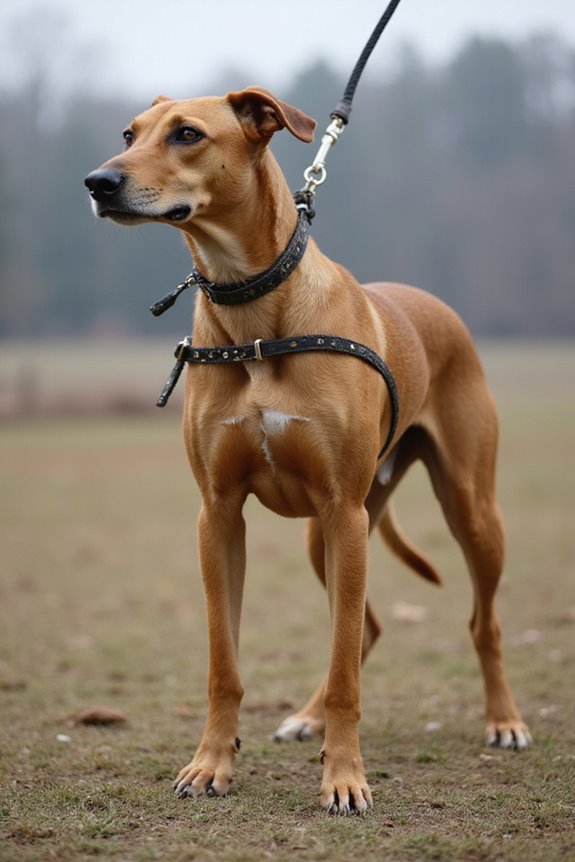
Understanding the leash laws for sighthounds is just the beginning; we also need to acknowledge the unique challenges posed by off-leash situations.
- Off-leash behavior risks are heightened due to a sighthound’s strong prey drive, which can lead to sudden chases. Even well-trained dogs may break recall when they spot prey, often resulting in dangerous situations.
- Reactivity can escalate without leash control, leading to potential conflicts with other dogs or people.
- Safe, enclosed spaces for off-leash exercise are limited, increasing risks from traffic and wildlife.
- Effective prey drive management and training are essential, ensuring our sighthounds can enjoy off-leash time without jeopardizing their safety or others’ well-being. Additionally, maintaining regular veterinary check-ups is crucial for monitoring any underlying health issues that may affect behavior while off-leash.
Physical and Mental Exercise Needs of Sighthounds

To meet the physical and mental exercise needs of sighthounds, we must recognize their unique characteristics as both sprinters and thinkers. Our exercise routines should incorporate short bursts of high-speed running, mimicking their chase instinct. This activity not only fulfills their natural behavioral needs but also maintains their health.
In addition to physical exercise, mental stimulation is essential. We can provide enrichment through brain games, puzzle toys, and scent work during walks. Feeding through enrichment devices or scavenger hunts gives them challenges that satisfy their foraging instincts. Additionally, providing a cozy place to rest with a soft greyhound blanket will help them recover from their exertions.
Ultimately, balancing structured exercise with opportunities for mental engagement will keep our sighthounds happy and healthy, helping them avoid boredom and potential destructive behaviors.
Safety Considerations for Leashed Sighthounds

After fulfilling a sighthound’s physical and mental exercise needs, ensuring their safety on walks is paramount. To achieve this, we should prioritize proper leash equipment that minimizes risk. Here are some key considerations:
- Wider Collars and Harnesses: These distribute pressure more evenly, preventing neck and trachea injuries often associated with slip leads.
- Fixed-Length Leashes: Unlike retractable leashes, fixed-length options provide better control, reducing the risk of sudden tension injuries, especially crucial given a greyhound’s ability to reach 45 mph in moments.
- Proper Grip and Awareness: We need to handle leashes carefully to avoid injuries to our hands. Additionally, using reflective stitching can enhance visibility during nighttime walks, ensuring safety in low-light conditions.
The Role of Owner Responsibility in Leash Management
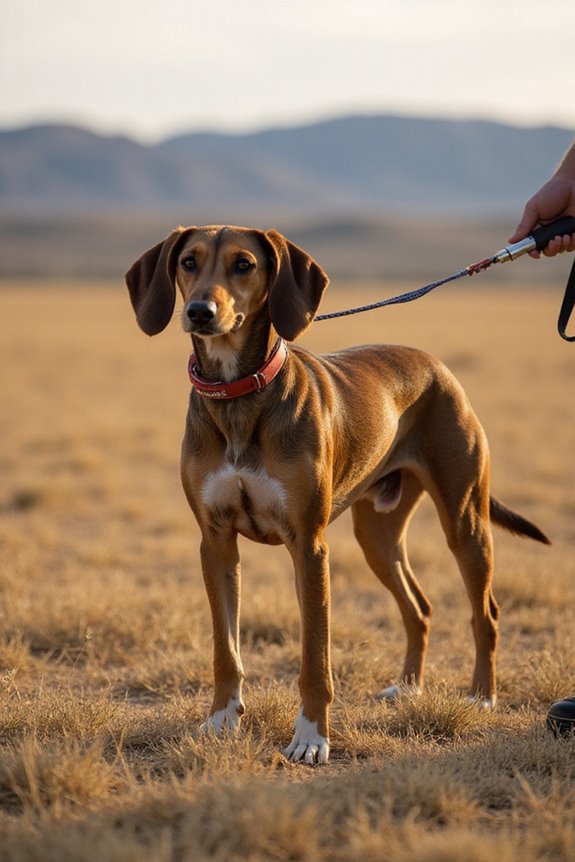
The responsibility of dog owners in leash management is a vital aspect of ensuring both the safety of sighthounds and the well-being of those around them. Owner awareness is paramount; we must consistently assess our dog’s behavior during walks. Effective leash techniques are essential for controlling tension and preventing distress.
- Monitoring for signs of pain or discomfort helps us respond promptly.
- Proper handling reduces injury risk while ensuring safety.
- Engaging in leash training can enhance our skills and confidence. Additionally, familiarizing ourselves with proper cushion dimensions can further support our sighthounds’ comfort during rest periods.
Training Strategies for Safe Leash Use
Having looked at the vital role owners play in leash management, it’s important to explore effective training strategies to guarantee safe leash use for sighthounds. Here are some key approaches to examine:
- Leash Training: Employ positive reinforcement techniques. Reward desired behavior with treats, praise, or affection to enhance calmness and focus beside us.
- Gentle Corrections: Use a quick, gentle snap of the leash to redirect attention without creating tension. Maintain minimal leash tension and apply corrections swiftly.
- Directional Changes: When the dog pulls, turning 180 degrees disrupts their behavior and emphasizes our lead.
- Handler’s Role: We must adopt confident body language, maintaining a forward focus to guide our sighthounds effectively.
- Harness Selection: Choose an appropriate harness that features 3-Point Anti-Escape capabilities to prevent slipping and promote safety during leash walks.
Frequently Asked Questions
Can Sighthounds Be Trained to Reliably Recall Off-Leash?
They say, “Patience is a virtue.” We can train sighthounds for reliable off-leash recall, but we’ll face recall challenges. Utilizing effective training techniques, like gradual exposure and unique cues, helps build their trust and responsiveness.
What Are Common Misbehaviors When Sighthounds Are on Leash?
When we’re out with our Sighthounds on leash, we often see pulling behavior and escaping attempts. These can stem from their natural instincts, frustration, or anxiety, making it essential to manage their reactions effectively.
Are Certain Breeds More Suited for Off-Leash Activities Than Sighthounds?
Absolutely, breeds like Border Collies, known for their agility, or Retrievers, who shine in swimming, are often better suited for off-leash activities compared to Sighthounds, whose chase instinct can lead to unsafe situations.
How Do Leash Laws Vary Between Different States?
Leash laws vary greatly between states, with some having strict regulations and others allowing leash exemptions for specific scenarios. We should always check local rules to guarantee we’re compliant while enjoying our dogs in different areas.
What Signs Indicate a Sighthound Is Unhappy on Leash?
Did you know that over 60% of leash-related issues stem from tension? When our sighthounds exhibit signs like stiff body language or excessive barking, they’re showing us they’re unhappy due to leash tension. Let’s pay attention!