As an Amazon Associate, we earn from qualifying purchases. Some links on this site are affiliate links at no extra cost to you. Our recommendations are based on thorough research and editorial judgment.

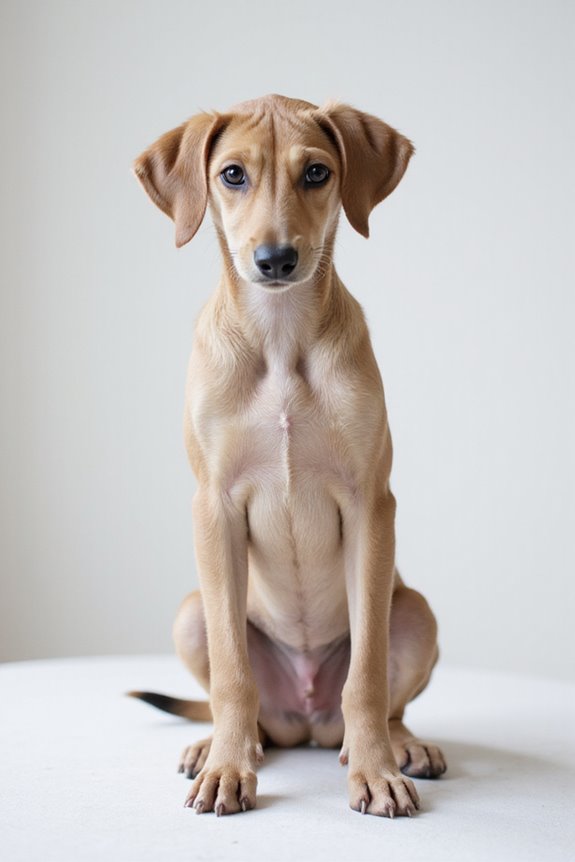
How To Socialize A Sighthound Puppy?

To socialize a sighthound puppy effectively, we should focus on several key elements during the critical socialization period, which lasts from 3 to 16 weeks. We can create positive experiences by using treats and maintaining a calm demeanor. Controlled exposure to various environments is important; start in calm settings and gradually increase complexity. Social interactions with other dogs and people foster confidence. Active involvement and monitoring our puppy’s body language will help guarantee successful socialization. Discover essential tips for building resilience and confidence.
Key Takeaways
- Begin socialization early within the critical socialization period, focusing on positive experiences between 3 to 16 weeks of age.
- Use small, high-value treats to encourage engagement during new experiences, reinforcing positive associations.
- Gradually expose your sighthound puppy to various sights, sounds, and surfaces, starting in calm environments to minimize stress.
- Organize controlled playdates with friendly, vaccinated dogs, allowing your puppy to approach at their own pace while supervising interactions closely.
- Regularly monitor your puppy’s body language for signs of stress, providing a safe retreat if needed while reinforcing positive behaviors.
Understanding the Critical Socialization Period
Understanding the critical socialization period (CSP) is essential for anyone raising a sighthound puppy. This important window begins around 3 weeks of age and lasts until approximately 12 to 16 weeks. During these early experiences, puppies demonstrate significant behavioral plasticity, forming essential social relationships.
- Socialization importance is evident in how it shapes temperament; failure to socialize adequately can lead to fearfulness or defensive behaviors later in life.
- Positive interactions during the CSP enhance confidence and resilience, impacting their future as well-adjusted adults.
- It’s important to note that after 16 weeks, temperament hardens, making socialization efforts less effective.
- Moreover, feeding a diet rich in high-quality protein sources can support their overall health during this crucial phase.
Ultimately, investing time in this critical phase lays the foundation for a well-adjusted sighthound.
Creating Positive Socialization Experiences
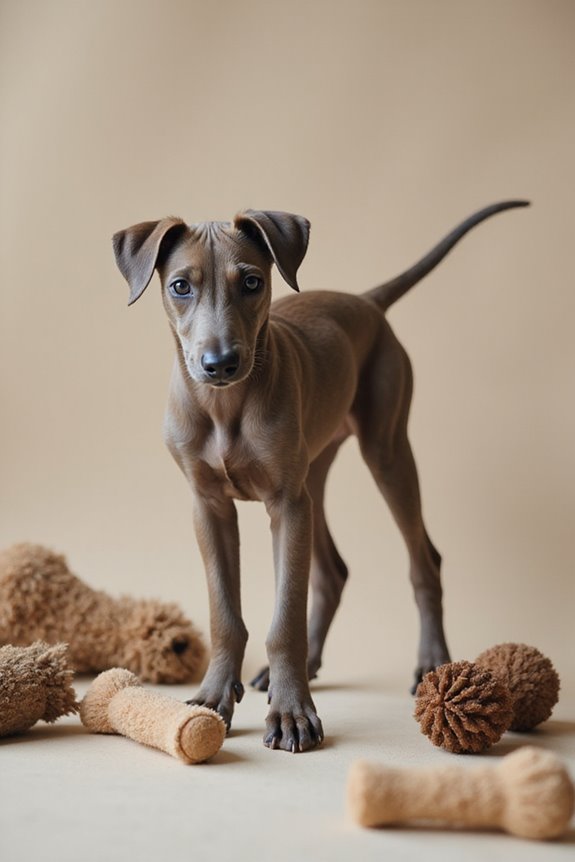
Creating positive socialization experiences for our sighthound puppies is essential for their overall development and well-being. To achieve this, we can use treat introduction and positive reinforcement techniques. Here are some key strategies:
- Employ small, easily digestible treats to maintain engagement.
- Remain calm; our emotions impact the puppy’s confidence during socialization.
- Avoid overwhelming them; if they show signs of fear, back off and try again at a lower intensity.
- Combine food, play, and praise around new situations to create pleasant associations.
- Gradually increase exposure complexity, starting in safe, controlled environments.
- Engage all family members in the process, ensuring varied interactions. Additionally, incorporating high-quality proteins into their diet can further enhance their well-being and energy levels during socialization activities.
Controlled Exposure to Diverse Environments

When we’re socializing our sighthound puppies, controlled exposure to diverse environments plays an essential role in their development. This gradual introduction helps guarantee our puppies build confidence. We can start with calm settings, like a friend’s home, to reduce stress.
- Once they’re comfortable, we can slowly introduce them to busier places, observing their body language for signs of stress.
- It’s important to expose them to various surfaces, sounds, and sights—think umbrellas or wheelchairs.
- By using positive reinforcement, we help solidify their positive associations.
With consistent exposure, we’re enhancing their sensory exploration and preparing them for the world. This method fosters a sense of security, assuring their adaptability in various situations. Additionally, incorporating escape-proof collars can further ensure their safety during outings, allowing them to explore confidently without the risk of slipping away.
Socialization With Other Dogs and People
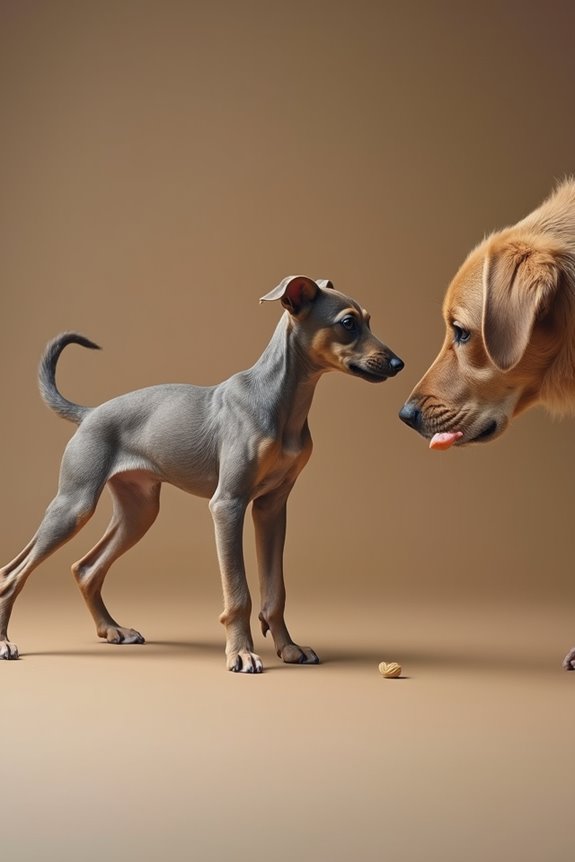
Socializing our sighthound puppies with other dogs and people is essential for their well-rounded development. To foster positive interactions, we should:
- Arrange dog playdates with calm, friendly dogs while ensuring all are vaccinated.
- Encourage our puppy to approach at their own pace, allowing them to feel secure.
- Supervise encounters closely, ready to intervene if tension arises.
For human interactions, we can:
- Introduce them to diverse individuals, particularly in relaxed environments like home.
- Use treats and praise to create positive associations without overwhelming our shy puppies.
- Monitor body language, stepping back if signs of fear appear during introductions.
Participating in puppy socialization classes provides structured environments to practice the necessary skills for friendly encounters while ensuring our sighthound’s comfort and safety. Incorporating tools like a Gentle Dog Head Collar can also help in managing our puppy’s behavior during outings.
Handling and Owner Involvement
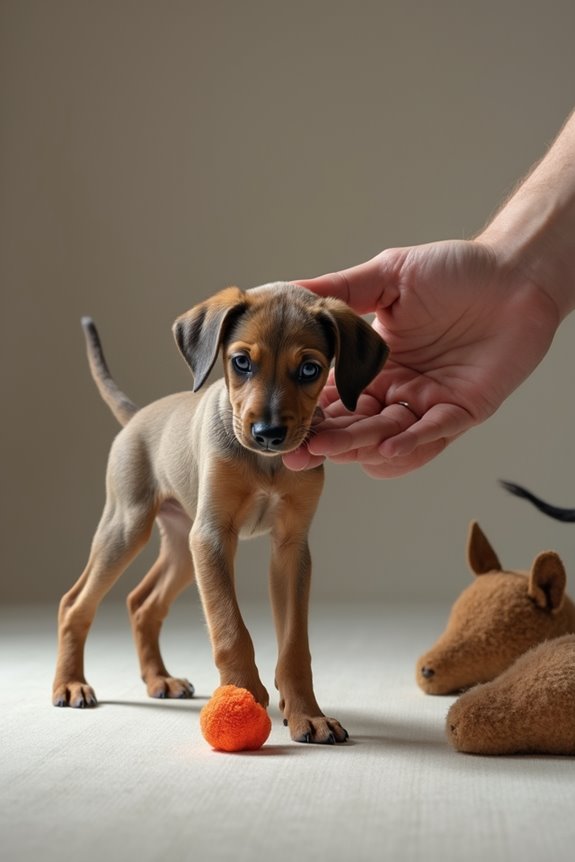
Involving ourselves actively in our sighthound puppy’s handling is essential for their development and social integration. Owner engagement establishes structure and security, allowing our puppies to thrive. Using tools like leashes and crates facilitates daily activities, while consistent routines help reduce anxiety by setting clear expectations.
A calm demeanor fosters positive emotional responses, ensuring our puppies feel secure during new experiences. Training consistency, especially through verbal markers and immediate rewards, strengthens our communication and engagement. It’s important to provide leashes rated for over 100 lbs to ensure safety and control during excursions.
Gradually exposing our puppies to various stimuli—different surfaces, appearances, and objects—teaches them to navigate their world confidently. Remember, it’s our active involvement that shapes their understanding and responses. By guiding their interactions and rewarding desirable behaviors, we’ll enhance their social skills and strengthen our bond.
Specific Considerations for Sighthound Puppies
Understanding the unique needs of sighthound puppies is important for fostering their growth and socialization. Here are some specific considerations to keep in mind:
- Sight Sensitivity: These puppies react strongly to visual stimuli, requiring gradual exposure to various sights.
- Prey Drive: This instinct can lead to intense focusing behaviors. Managing it in social settings is essential.
- Physical Touch: Sighthounds have thin skin; gentle handling helps prevent stress.
- Environment Adjustment: Minimize loud noises and bright lights to create a calming atmosphere.
- Indoor Confinement: Scheduled varied sensory stimulation is crucial to prevent anxiety.
- Health Considerations: Their fragile bone structure mandates safe socialization practices, especially during play. Additionally, collar size options must be considered to ensure comfort during walks and socialization outings.
Gradual Introduction to New Experiences
How can we guarantee our sighthound puppies are adequately prepared for new experiences? To achieve this, we must employ a gradual approach with slow exposure to various stimuli. Here’s how we can do it:
- Start by introducing new experiences at a safe distance, allowing the puppy to remain comfortable before moving closer.
- Begin with low-intensity interactions, increasing exposure only when the puppy shows calm behavior.
- Monitor for signs of fear or stress; if observed, we should reduce exposure immediately.
- Incorporate engaging activities, like play or treats, as positive breaks during socialization.
- Ascertain that each experience is controlled and incremental, presenting a variety of sights, sounds, and textures for our puppies to explore without overwhelming them.
Building Resilience and Confidence
Building resilience and confidence in our sighthound puppies is essential for their development into well-adjusted adults. To achieve this, we should incorporate confidence building activities and resilience enhancing techniques during their significant socialization period.
- Utilize positive reinforcement with high-value treats and praise to encourage calm behavior around new experiences.
- Gradually expose them to varied surfaces, controlled challenges, and novel objects to foster adaptability.
- Arrange safe interactions with vaccinated dogs and diverse people, allowing our puppies to approach at their own pace.
- Introduce various sounds, sights, and smells, ensuring exposures are manageable.
- Consistently monitor body language to prevent overwhelming situations.
Frequently Asked Questions
What Are Common Signs of Stress in Sighthound Puppies?
Common signs of stress in sighthound puppies include body language like tucked tails, pinned ears, and raised hackles, along with fear signals such as excessive drooling, pacing, or withdrawal from social interactions.
How Do I Know if My Puppy Is Ready for Class?
Did you know that 60% of puppies thrive in social situations when they feel secure? We can tell our puppy’s ready for class by observing readiness indicators and ensuring they meet training class expectations for a positive experience.
Can Socialization Help Prevent Aggression in Adulthood?
Yes, socialization benefits our puppies considerably; it’s a key factor in aggression prevention. By introducing varied experiences early on, we reduce fear and build confidence, helping them grow into well-adjusted adult dogs.
What Toys Are Best for Sighthound Puppies During Socialization?
Imagine a vibrant garden where our sighthound puppies frolic. Interactive toys and durable chew toys blossom here, enriching their playtime and teaching social skills, nurturing bonds as we cultivate trust and joyous exploration together.
How Long Should Socialization Sessions Last for Sighthound Puppies?
For best puppy playtime duration, we should keep sessions brief—about 5 to 10 minutes—especially during the ideal socialization age of 5 to 16 weeks, gradually extending as our puppy grows more comfortable.