As an Amazon Associate, we earn from qualifying purchases. Some links on this site are affiliate links at no extra cost to you. Our recommendations are based on thorough research and editorial judgment.


How To Introduce A New Dog To Your Sighthound? For Senior Dogs

To introduce a new dog to our senior sighthound, we should proceed with care. First, we’ll assess our dog’s needs by focusing on their comfort and well-being. It’s essential to prepare scent articles and allow a gradual scent swapping process. Next, we should choose neutral settings for introductions, emphasizing gentle interactions. Monitoring stress levels during meetings is imperative, as is providing a safe home. By following these steps, we’ll foster positive relationships and understanding between our dogs; further insights await.
Key Takeaways
- Begin by scent swapping with soft cloths or toys for each dog before the introduction to familiarize them with each other’s scent.
- Choose a neutral outdoor location for introductions, ensuring both dogs are on loose leads to minimize tension and territorial behavior.
- Initiate encounters with parallel walking, avoiding direct face-to-face greetings, to reduce anxiety during the first meeting.
- Keep initial interactions short and supervised, removing high-value resources like toys or food to prevent conflicts and stress.
- Utilize gentle introductions and create comfortable resting spaces with cushioned bedding for senior sighthounds to support their joint health and comfort.
Understanding Your Sighthound’s Needs
Understanding our sighthound’s needs is essential for their well-being and happiness. They possess unique sighthound behavior and prey instincts that shape their daily lives. Here are important aspects to take into account:
- Exceptional Vision: Their remarkable eyesight allows them to detect movement from afar, making them keen hunters.
- Physical Build: Lean muscles and flexible bodies enable swift bursts of speed but require minimal excess weight.
- Temperament: Generally calm and loyal, they need gentle interactions and mental stimulation to thrive.
- Exercise: Regular, safe exercise is critical, allowing them to gallop and stretch their muscles while preventing boredom.
- Socialization: Proper introduction to new environments and animals helps them remain calm and confident.
- Nutritional Needs: Ensuring they receive a diet rich in high-quality proteins supports their overall health and energy levels.
Preparing for Scent Swapping

When preparing to introduce a new dog to our sighthound, one essential aspect to take into account is scent swapping. This process enhances familiarity through odor familiarity techniques, reducing stress before their first encounter. Here are key steps:
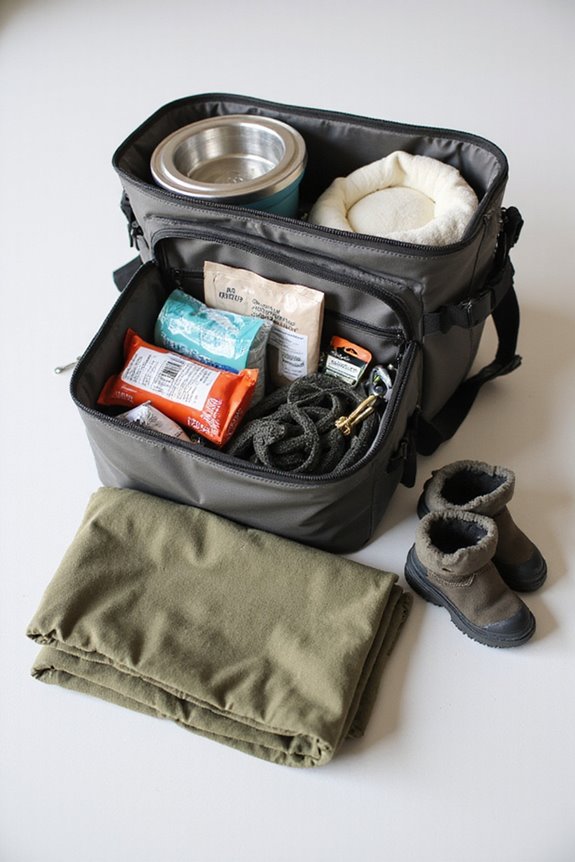
- Scent Article Selection: Use soft cloths or toys to hold each dog’s scent.
- Timing and Duration: Initiate scent exposure in short intervals, about 15-20 minutes daily, for several days.
- Monitoring Responses: Observe each dog for signs of curiosity or anxiety during scent exploration.
Scent swapping proves particularly beneficial for senior dogs, providing a gentle introduction that eases integration. It is also important to ensure that the dogs are in a secure and comfortable environment to foster positive interactions. By thoughtfully managing this initial phase, we can build a foundation of comfort and acceptance between our sighthound and the new dog.
First Encounter: Choosing the Right Setting
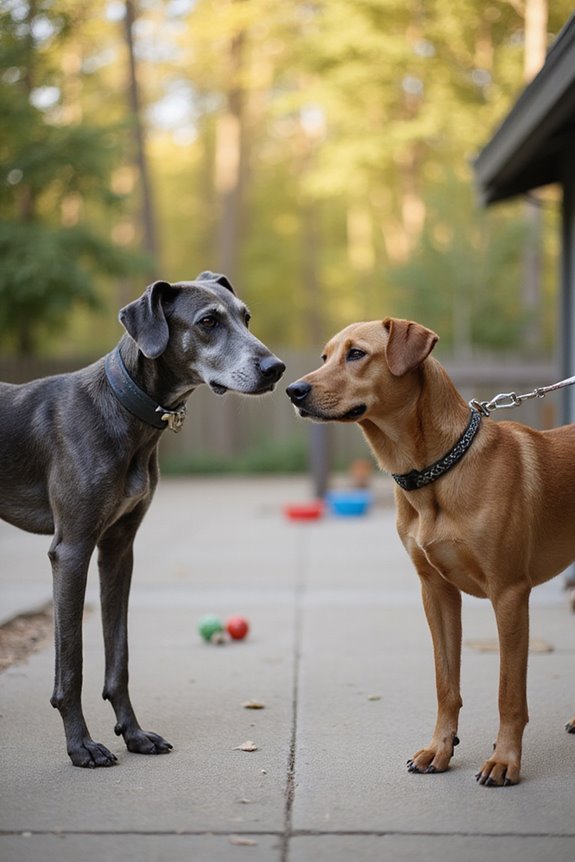
Choosing the right setting for the first encounter between our sighthound and a new dog is just as important as the preparation we’ve undertaken. We should select neutral locations that are unfamiliar to both dogs, minimizing territorial behavior. Outdoor spaces, such as large fenced parks or fields, are ideal for these introductions.
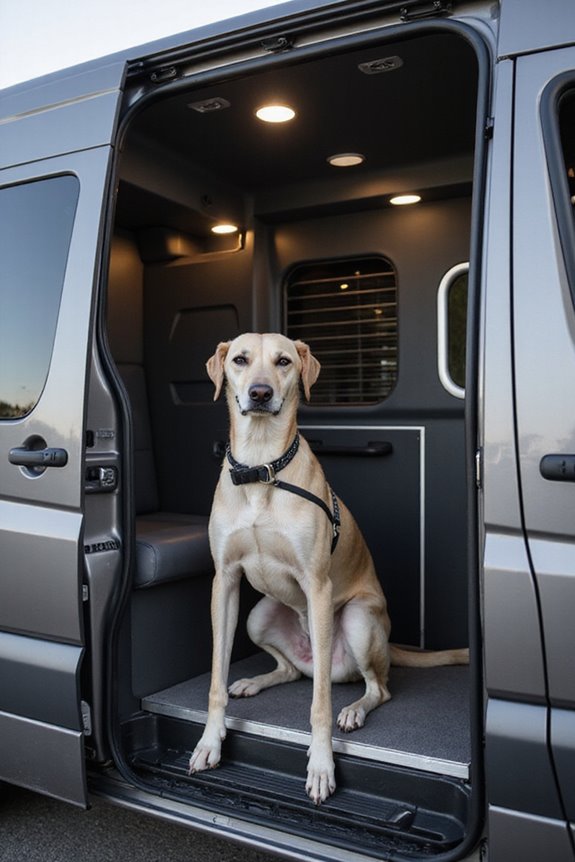
When we meet, both dogs should be on loose leads to maintain control without adding tension. It’s best to avoid direct face-to-face greetings initially. Instead, we can allow parallel walking and casual sniffing, ensuring neither dog feels pressured. This calm introduction helps reduce anxiety and promotes a more relaxed interaction as the dogs become comfortable with each other. Additionally, it’s crucial to consider a lightweight design for ease of transport in case of sudden weather changes during the introduction.
Special Considerations for Senior Sighthounds
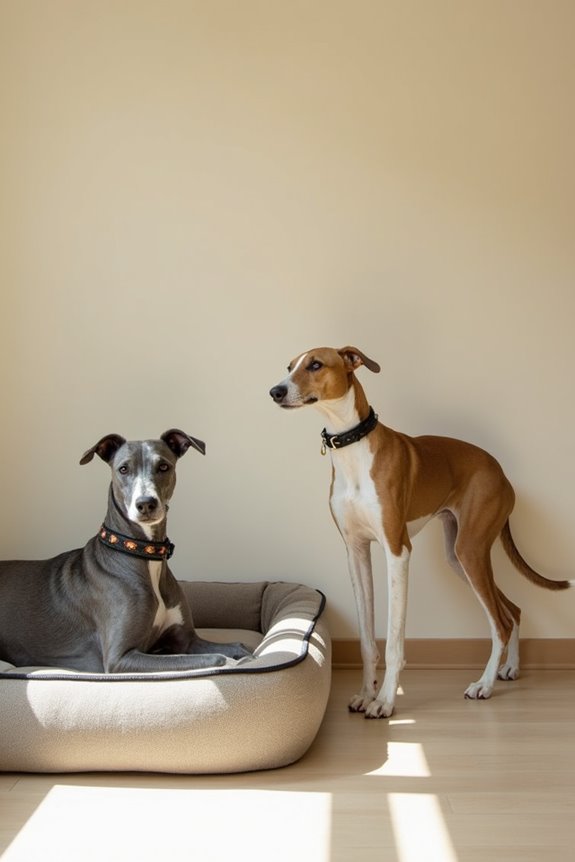
As our sighthounds age, it becomes essential to recognize and address their unique needs during this stage of life. We should consider the following:
- Physical adjustments: Joint stiffness and decreased mobility make moderate exercise critical. Gentle introductions to any new activity help prevent injury.
- Behavioral awareness: Older sighthounds may exhibit increased caution around new dogs. A gradual, patient socialization process is fundamental for comfort.
- Environmental modifications: Warm, draft-free spaces with cushioned bedding support their sensitive bodies. Secure settings can prevent sudden sprints that stress aging joints.
- Diet: We must guarantee that their nutrition supports joint health, focusing on balanced protein levels and proper hydration. Additionally, providing durable beds can help ensure they have a comfortable and safe place to rest.
Implementing these senior adaptations lays the groundwork for a smooth changeover with any new canine companion.
Managing Stress During Meetings

Effectively managing stress during dog introductions is essential for fostering healthy relationships between canines. Here are strategies to promote stress relief:
- Recognize Stress Signs: Watch for indicators like lip licking and body tension. Understanding our dog’s baseline behavior helps identify these signs early.
- Use Calm Cues: Teaching commands like “settle” or “relax” can help our dogs enter a calm state. Positive reinforcement builds their self-soothing toolkit.
- Create a Quiet Space: Providing a safe retreat allows dogs to regroup if overwhelmed, while minimizing stressful stimuli reduces anxiety.
- Engage in Calming Activities: Low-impact games, like scent tracking, can distract our dogs and promote relaxation without causing arousal. Additionally, incorporating interactive features in toys can help channel their energy in a positive manner during introductions.
Creating a Safe Home Environment
Creating a safe home environment for our sighthounds, especially when welcoming a new dog, is essential for their well-being. Here are several strategies we can implement:
- Safe Spaces: Designate quiet resting zones away from high-traffic areas. This minimizes stress and allows our seniors to relax comfortably.
- Flooring Options: Use non-slip flooring or area rugs to help prevent joint injuries or falls, given our sighthounds’ thin pads and reduced agility.
- Accessibility: Provide food and water bowls at appropriate heights to avoid strain, and consider ramps or low steps for furniture access.
- Hazard Management: Regularly check for sharp objects and loose wires, ensuring a safe environment for our less agile dogs. Additionally, consider using beds with anti-slip bottoms to further enhance safety for active sighthounds.
Evaluating Temperament Compatibility
When we consider bringing a new sighthound into our home, evaluating compatibility in temperament is essential for forming harmonious relationships among our dogs. Here are key aspects to focus on:
- Conducting Assessments: Analyze both dogs’ reactivity levels. A nervous sighthound’s behavior might overwhelm a senior dog’s tolerance.
- Observing Behaviors: Watch for signals of anxiety or aggression in the new dog. Sighthounds may react strongly to unfamiliar stimuli, requiring careful, controlled introductions.
- Understanding Independence: Sighthounds think autonomously, influencing their interactions. Their independent traits can clash with a senior dog’s calm demeanor.
- Sensitivity: Both dogs’ reactions to environmental stimuli must be considered, particularly for senior dogs with reduced energy.
Encouraging Positive Interactions
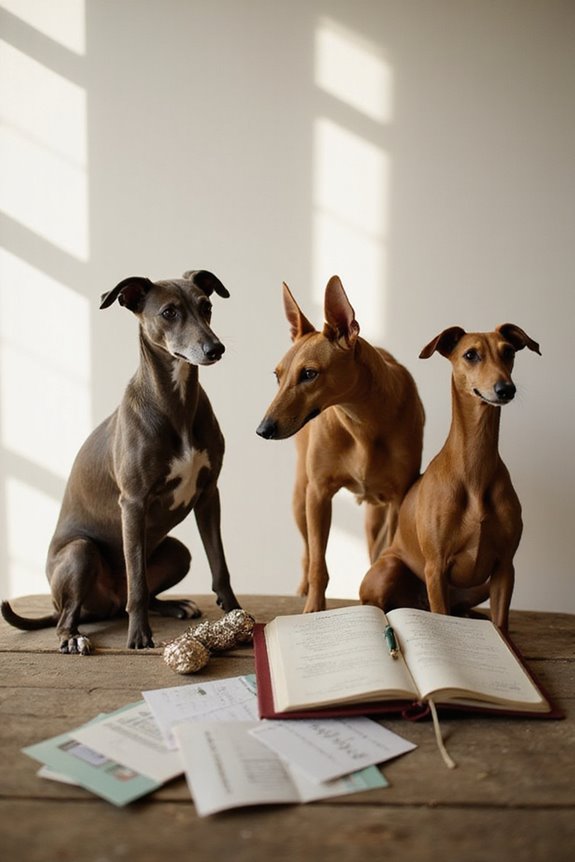
Encouraging positive interactions between your new sighthound and resident dogs requires thoughtful planning and execution. Here’s how we can create a calm environment:
- Maintain loose leashes during early meetings, allowing for easy intervention without restrictions.
- Remove high-value resources, like toys and food, to prevent conflicts associated with resource guarding.
- Keep initial interactions short and supervised to minimize stress and prevent escalation.
- Use baby gates or crates for visual exposure while limiting direct contact.
Frequently Asked Questions
How Long Does It Take for Dogs to Acclimate to Each Other?
It’s amusing how we think dogs will instantly be best friends. Typically, the acclimation period takes weeks, requiring patience. Gradual introductions help them adjust and bond—soon enough, they’ll surprise us with their companionship!
What Signs Indicate a Successful Introduction Between the Dogs?
We can look for relaxed body language, gentle wiggling, and playful interactions between the dogs. When they approach each other calmly and engage in friendly sniffing, it’s a strong sign of a successful introduction.
Should I Supervise All Dog Interactions Indefinitely?
Oh sure, let’s just toss our dogs together and hope for the best! Actually, we’ll need temporary supervision and gradual exposure. Our vigilant eyes guarantee safety and peace, avoiding chaos and fostering positive interactions for everyone involved.
Can I Use Toys to Facilitate Bonding During Introductions?
Yes, we can use toys to facilitate bonding during introductions. By considering playtime preferences and encouraging toy sharing, we create a positive environment that helps both dogs feel comfortable while establishing a connection.
How Do I Handle Jealousy or Competition Between the Dogs?
We’ve seen jealousy signs when introducing our new dog, so we managed competition by providing separate feeding stations. It’s essential to monitor interactions and create safe spaces to ease anxiety for our senior dog.