As an Amazon Associate, we earn from qualifying purchases. Some links on this site are affiliate links at no extra cost to you. Our recommendations are based on thorough research and editorial judgment.

How Do I Prepare My Home For A Sighthound?

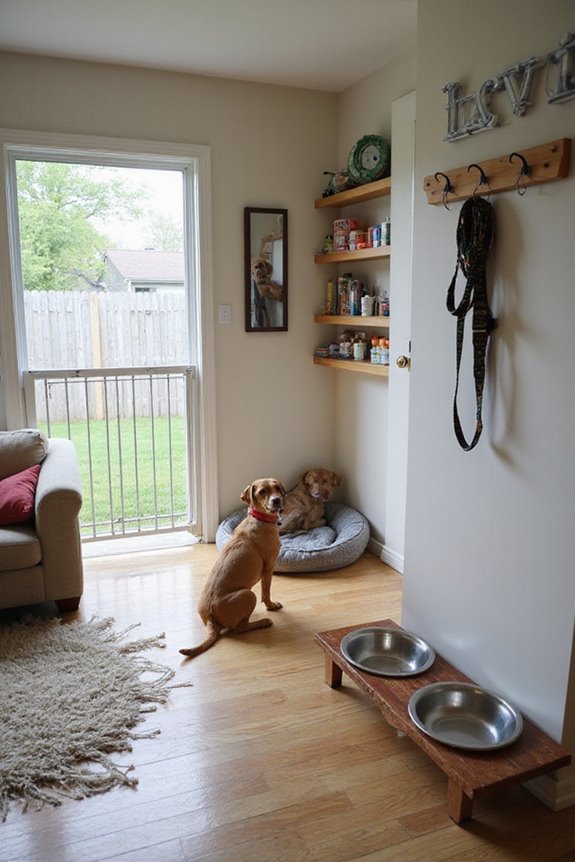
To prepare our home for a sighthound, we should focus on safety and comfort. First, we can install a 6-foot board-on-board privacy fence and maintain it regularly to avoid gaps. Inside, we must provide warm, soft bedding and consider heated options. Proper nutrition is essential; a diet with 15-30% high-quality protein, 8-25% fat, and manageable carbohydrates will support their health. Engaging training techniques and creating a stimulating environment will enhance their well-being. Let’s explore more important steps to guarantee our sighthound thrives.
Key Takeaways
- Install a 6-foot board-on-board privacy fence and regularly check for gaps to ensure a secure outdoor space for your sighthound.
- Maintain a warm indoor temperature and provide orthopedic bedding to keep your sighthound comfortable.
- Include high-quality protein and moderate carbohydrates in their diet while ensuring fresh water is always available.
- Use positive reinforcement training techniques and focus on leash training to guide your sighthound effectively.
- Provide engaging toys and create a safe space by removing hazards and using baby gates where necessary.
Creating a Safe Outdoor Space
Creating a safe outdoor space for our sighthounds is fundamental, as their incredible speed and agility can present challenges. To guarantee their security, we should install a 6-foot board-on-board privacy fence. Regular fence maintenance is important; we must inspect for gaps or weaknesses since sighthounds can jump high and run fast.
Additionally, implementing outdoor supervision is crucial. We should always check gates with spring closures to prevent accidental openings and inform all household members about strict outdoor procedures. Placing visible signage on gates can alert visitors and prevent mishaps. By designating a secure and controlled environment, we can let our sighthounds enjoy the outdoors while keeping them safe from potential escapes or dangers. Incorporating reliable locking mechanisms into your outdoor gates will provide an extra layer of safety for your sighthound.
Ensuring Comfortable Indoor Environments

Ensuring our sighthounds have a comfortable indoor environment is essential for their well-being and contentment. Here are some key considerations:
- Temperature Regulation: Sighthounds are sensitive to cold; maintaining a warm indoor temperature is important. Heating pads or heated beds can offer extra warmth, while avoiding drafts from windows and doors prevents chilling.
- Bedding Choices: Providing soft and supportive bedding is crucial. Orthopedic or memory foam beds cushion their joints and cater to their thin skin. Beds should be large enough for stretching, and regularly checked for cleanliness and wear. Consider investing in self-warming beds to help retain your sighthound’s body heat and enhance their comfort.
Meeting Dietary and Health Needs

When we consider the dietary and health needs of our sighthounds, it’s vital to recognize that their nutritional requirements vary markedly based on their activity levels and overall health.
- Protein: Sighthounds need high-quality protein ranging from 15-30% of their diet. This supports muscle growth and quick recovery.
- Fat: They require 8-25% fat for energy, with performance dogs needing up to 35% for endurance.
- Carbohydrates: Moderate carbs (40-50%) help provide quick energy, but we should balance these to prevent weight gain.
- Vitamins and Minerals: Proper balance promotes metabolic processes to function effectively, which we can achieve through dietary supplements.
- Hydration: Always provide fresh water. It’s critical for recovery and performance.
Effective meal planning around these points will help maintain peak health for our beloved companions. Additionally, incorporating high-calorie treats can be a strategic way to increase their calorie intake for healthy weight gain.
Training and Behavioral Considerations
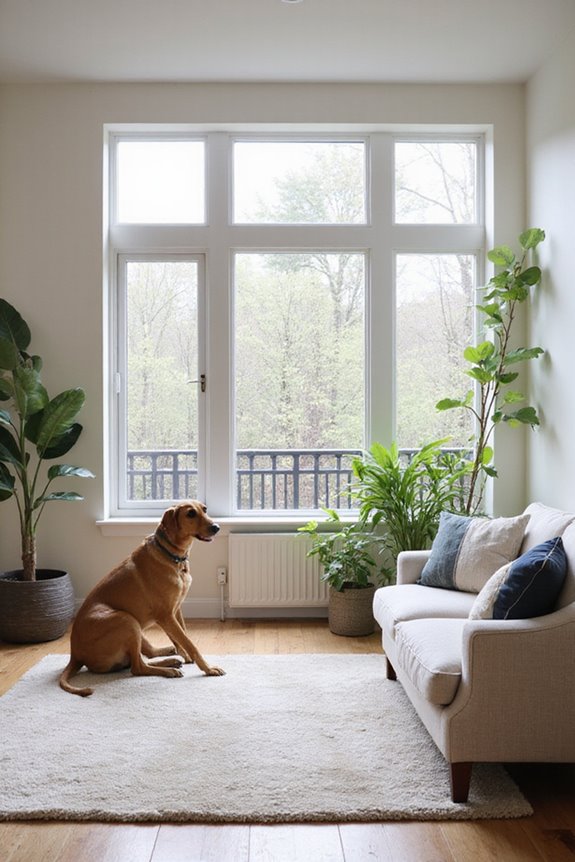
Training and behavioral considerations are integral to fostering a harmonious relationship with our sighthounds. These dogs present unique training challenges due to their independent nature and strong prey drive. To address this, we can adopt effective obedience strategies:
- Utilize positive reinforcement, incorporating play-based rewards that align with their chasing instincts.
- Engage in short, structured training sessions, optimizing moments of hunger for enhanced focus.
- Implement creative activities, like chase toys, to reinforce recall and commands.
- Focus on leash training with patience, as their tendency to pull requires consistent practice.
Additionally, it is important to consider 3-Point Anti-Escape features when selecting a harness for training, as these designs help with better control during walks.
Enhancing Home Enrichment and Safety

Improving the home environment for our sighthounds is essential, as it guarantees both their physical safety and mental well-being. To enhance this, we can follow these key strategies:
- Provide indoor toys: Engaging toys are vital for mental stimulation and combating boredom, which can lead to destructive behaviors.
- Create a safe space: Secure our yards with tall, solid fences to prevent escapes, and train commands like “STAY” for safety during door openings.
- Ensure hazard removal: Remove sharp objects and toxic plants while creating a cozy resting area, as sighthounds are sensitive to cold.
- Use barriers: Employ baby gates near doorways to restrict access, preventing accidental escapes when visitors arrive. Additionally, incorporating high-quality protein sources into their diet can enhance their overall vitality and energy levels.
Frequently Asked Questions
What Are the Best Toys for a Sighthound?
For our sighthounds, we love using fetch toys and tug toys that engage their prey drive. Soft plush toys, bungee tug toys, and interactive puzzle toys keep them entertained and mentally stimulated, ensuring happy playtime.
How Do I Choose a Vet Experienced With Sighthounds?
Selecting a suitable sighthound specialist starts with scrutinizing vet qualifications—knowledge about sighthound health is essential. We should prioritize clinics experienced in breed-specific care, ensuring our pups receive the best attention and tailored treatment.
What Type of Bedding Is Best for Sighthounds?
For sighthound sleeping, we recommend orthopedic memory foam beds made with breathable bedding materials. They provide essential support and comfort, helping to soothe joints and keep our beloved pups cozy during their restful moments.
How Do I Socialize My Sighthound With Other Pets?
To socialize our sighthound with other pets, we start with supervised interactions, gradually introducing new pets in a controlled environment. Patience is key, rewarding positive behavior to create a calm and friendly atmosphere.
Can Sighthounds Adapt to Apartment Living?
Absolutely, sighthounds can adapt to apartment living! With minimal exercise needs, we just need to make a few apartment modifications, like secure spaces for zoomies and cozy corners for napping. They’re masters of home comfort!