As an Amazon Associate, we earn from qualifying purchases. Some links on this site are affiliate links at no extra cost to you. Our recommendations are based on thorough research and editorial judgment.

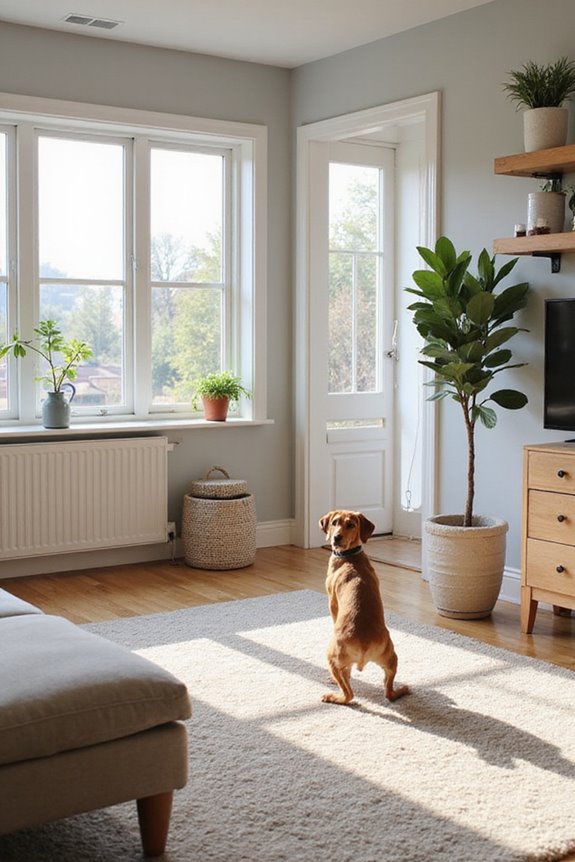
How Should I Puppy Proof My Home For Sighthounds?

To puppy proof our home for sighthounds, we must address their unique needs. Start by designating safe zones for our puppy with durable materials. Secure hazardous items in locked cabinets and remove choking hazards from floors. Manage exposed electrical cords with protective coverings to prevent chewing. Regularly inspect for toxins, storing them out of reach. Finally, utilize positive reinforcement in training. Each of these steps guarantees a safe environment, setting the stage for exploring additional safety measures.
Key Takeaways
- Designate safe zones for your sighthound using durable materials and puppy-proof furnishings to prevent damage and ensure safety.
- Store hazardous substances, including chemicals and medications, in locked cabinets or high places to keep them out of reach.
- Use dog gates to restrict access to dangerous areas, protecting your sighthound from potential hazards around the home.
- Conceal and protect electrical cords from chewing by using cord covers and securing loose wires behind appliances.
- Regularly inspect your home for choking hazards like small items on the floor and remove them promptly to keep your puppy safe.
Understanding the Unique Needs of Sighthounds
Understanding the unique needs of sighthounds is essential for their health and well-being, especially as they excel in agility and speed. Their body structure, influenced by sighthound genetics, features deep, narrow chests and elongated limbs designed for high-speed pursuits. These physical traits support their natural hunting instincts, allowing them to detect prey with exceptional visual acuity.
- Sighthounds rely on keen eyesight, making them distinct from scent hounds.
- Their independent behavior may complicate training, necessitating patience and consistency.
- With low body fat and unique metabolisms, they require specialized care and nutrition.
- Additionally, adjustable waist belts can enhance comfort during walks, ensuring a secure fit for hands-free leash use.
Creating a Safe Indoor Environment
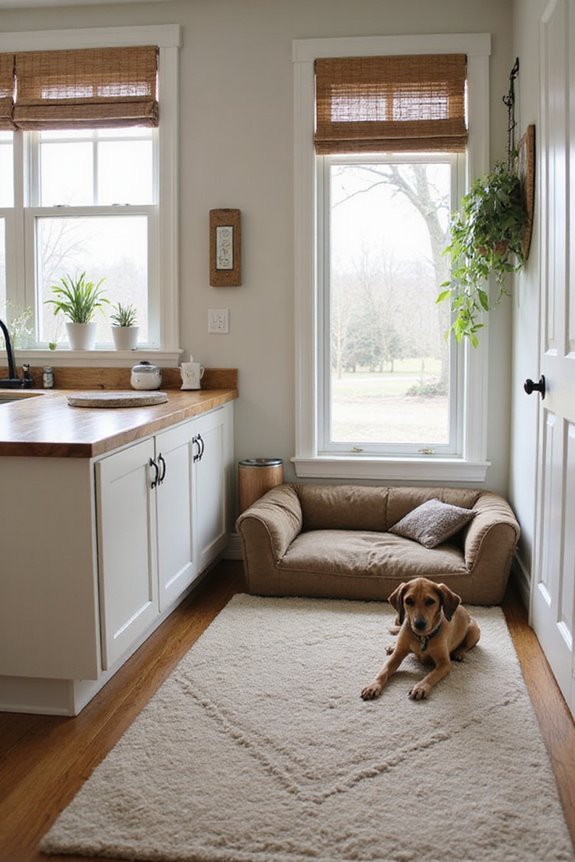
Creating a safe indoor environment for our sighthound puppies is just as important as understanding their unique needs. We can guarantee their safety by designating specific puppy zones with safe materials. To achieve this, follow these guidelines:
- Store hazardous substances such as cleaning products, medications, and chemicals in locked cabinets with childproof latches.
- Clear floors and surfaces of small choking hazards like coins or buttons to prevent ingestion.
- Use dog gates to create boundaries, limiting access to potential dangers such as stairs or cluttered areas.
- Remove toxic plants or elevate them out of reach, and avoid using harmful pesticides indoors.
- Secure furniture and remove loose rugs to minimize risks from furniture tipping or tripping hazards.
- Select durable materials for furnishings that can withstand wear and tear from sight hounds’ unique shapes.
Managing Electrical Safety and Cords
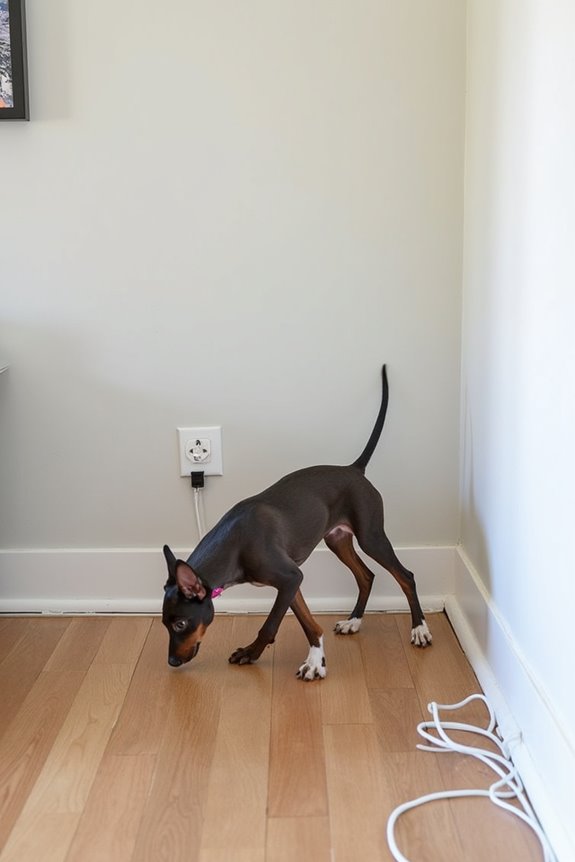
When it comes to sighthound puppies, managing electrical safety is vital to prevent potential hazards in our homes. We should utilize cord concealment techniques to guarantee exposed wires are covered. Employ cord protectors to make chewing less accessible and appealing for our pups. Additionally, we can tuck loose wires behind appliances and tape or secure them to walls to minimize temptation.
Using non-toxic bitter sprays can also serve as effective chew deterrent methods. Providing safe chew toys may reduce the likelihood of our sighthounds targeting cords as well. Regularly inspecting cords for damage and unplugging devices when not in use are critical safety practices. By staying vigilant, we create a secure environment for our energetic companions. Furthermore, ensuring that all cords can withstand the pulling strength common with energetic breeds like sighthounds is essential for long-term safety.
Removing Toxic Substances and Hazardous Materials
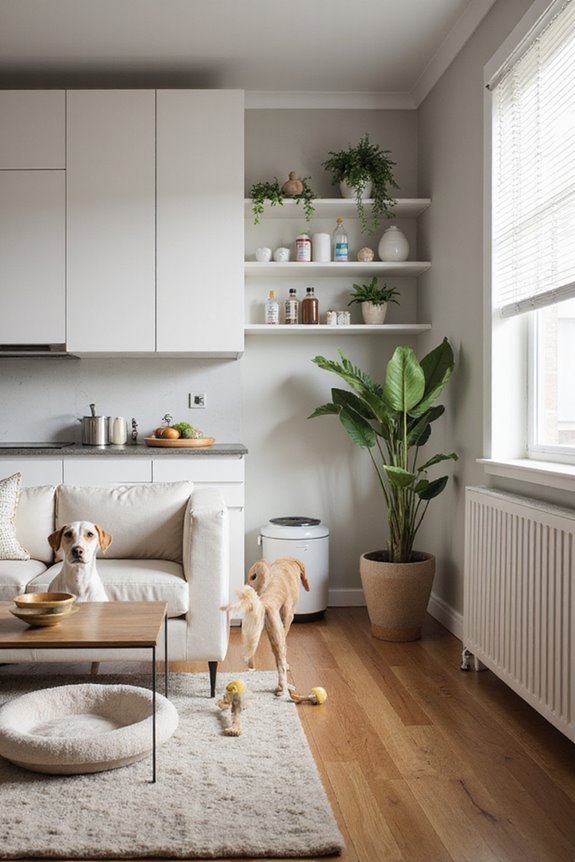
As we continue to enhance the safety of our homes for sighthound puppies, addressing toxic substances and hazardous materials is essential. Common household items, like cleaning products and pesticides, contain toxic chemicals that can pose serious risks.
To guarantee safe storage, we should:
- Store all toxic products in locked cabinets or high places.
- Keep them in their original containers with intact labels to prevent confusion.
- Use childproof locks for additional safety.
- Frequently inspect storage areas for leaks or corrosion.
We must also properly dispose of hazardous materials, recycling whenever possible. By taking these measures, we’ll create a safer environment for our sighthound puppies, protecting them from potentially harmful substances and guaranteeing their well-being. Additionally, it is crucial to monitor for signs of food allergies in your sighthound, as some toxins may cause adverse reactions.
Training Techniques for Sighthounds
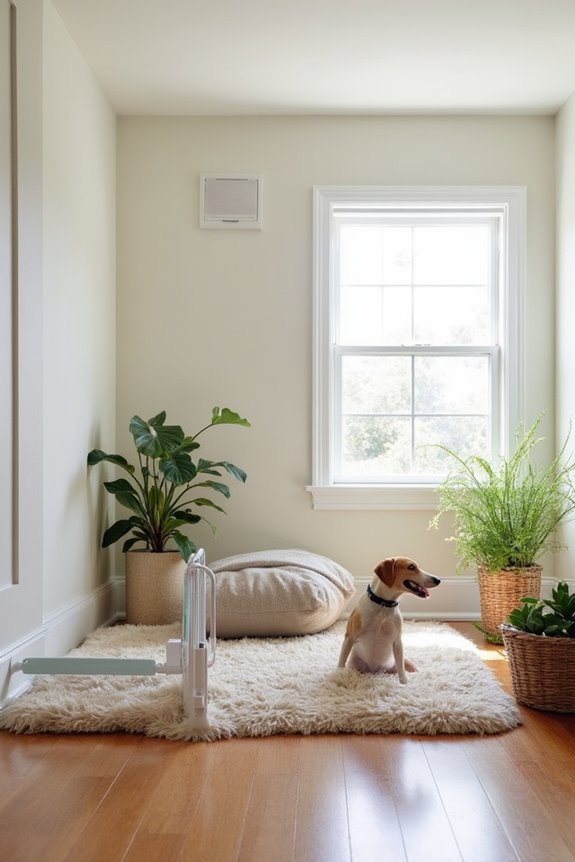
Training techniques for sighthounds require a thoughtful approach that supports their unique characteristics. We recommend using positive reinforcement strategies, such as treats and praise, to reward desirable behaviors consistently. This method encourages repetition and focus.
- Incorporate the ‘Push Drop Stick’ method to keep training engaging, adjusting the difficulty based on your sighthound’s success.
- Practice impulse control with exercises like “leave it” and longer duration sitting or staying commands, adapting positions as needed.
Additionally, focus on gentle exposure to new environments alongside supportive interactions to build confidence. Keep training sessions short and interactive, employing fun games to prevent boredom. Remember, patience is key for managing their natural prey drive, allowing us to cultivate reliable leash skills and socialization effectively. Consider incorporating an escape-proof design to enhance safety during training sessions, ensuring your sighthound remains securely harnessed.
Outdoor Safety Considerations
Guaranteeing outdoor safety for our sighthounds is fundamental, particularly given their keen instincts and high energy levels. We should focus on secure fence construction to prevent escapes; a tall, sturdy fence, ideally six feet or more, is crucial. Regular checks for gaps and damage can eliminate potential escape routes.
Wildlife awareness is also essential. Being informed about local hazards guarantees we can keep our sighthounds safe from harmful animals like snakes and skunks. Additionally, using a slip collar can enhance control during outdoor activities, ensuring our pets remain secure and managed in potential escape situations.
Lastly, supervising our sighthounds while they are outdoors helps intervene quickly if danger arises. Using a sturdy leash and collar provides additional safety in unsecured areas, guaranteeing our beloved pets remain protected during outdoor activities.
Ongoing Home Safety Maintenance and Audits
Home safety maintenance and audits are essential for protecting our sighthounds and ensuring a secure living environment. To stay proactive, we should establish regular maintenance schedules. Here are key areas to focus on:
- Safety Equipment: Test smoke and carbon monoxide alarms monthly. Replace batteries yearly and alarms every 10 years. Inspect fire extinguishers annually.
- Indoor Fixtures: Routinely check plumbing for leaks and appliances for safe operation. Lubricate door hinges regularly.
- Structural Integrity: Inspect painted surfaces and walls for damage, filling holes quickly to prevent pest issues.
- Cleaning: Regularly declutter and clean pet areas to eliminate choking hazards and maintain hygiene.
Frequently Asked Questions
Can Sighthounds Be Left Alone for Long Periods?
Yes, sighthounds can be left alone for moderate periods, but we must guarantee our home environment is secure and enriched. We should also exercise them well to prevent separation anxiety and guarantee their comfort.
What Are Signs of Anxiety in Sighthounds?
Did you know that around 30% of sighthounds show anxiety signals? Identifying stress behaviors is essential; look for excessive vocalizations, destructive actions, or changes in body language like tucked tails to guarantee their emotional well-being.
Do Sighthounds Need Special Diets for Health?
Yes, sighthounds have special dietary needs, requiring high-quality protein and fat limits. We should establish consistent feeding schedules to guarantee peak health and energy levels, tailored to their age, activity, and overall well-being.
How Can I Socialize My Sighthound With Other Dogs?
To socialize our sighthound with other dogs, we should use leash training during playtime activities. Let’s keep introductions short, monitor their body language, and reward positive interactions to foster confidence and prevent stress.
Are Sighthounds Prone to Specific Health Issues?
Absolutely, sighthounds aren’t just prone; they practically wear a health issue badge! From hip dysplasia to bloat prevention, we must stay vigilant. Regular vet check-ups plus our love help keep our sighthounds healthy and happy!