As an Amazon Associate, we earn from qualifying purchases. Some links on this site are affiliate links at no extra cost to you. Our recommendations are based on thorough research and editorial judgment.

What Are Climate Considerations For Sighthound Owners?

As sighthound owners, we must consider their unique needs in varying climates. These dogs are sensitive to temperature extremes due to low body fat and thin coats. In cold weather, we should provide supplemental clothing and make sure indoor temperatures range from 16°C to 24°C (60°F to 75°F). For hot conditions, it’s important to monitor for heat stress and provide access to shade and fresh water. Understanding these factors helps us keep our sighthounds safe and comfortable; further details are available on best practices.
Key Takeaways
- Sighthounds are sensitive to cold due to low body fat; provide warm, insulated bedding and supplemental clothing in winter.
- Schedule outdoor activities during cooler parts of the day to prevent overheating in hot weather.
- Maintain a comfortable indoor temperature between 16°C to 24°C (60°F to 75°F) to support their well-being.
- Monitor for signs of cold stress or overheating, such as shivering or heavy panting, to ensure their safety.
- Ensure access to fresh water and shaded areas during hot months to prevent dehydration and heat-related illnesses.
Understanding Temperature Sensitivity in Sighthounds
When we think about our sighthounds, it is essential to recognize their unique sensitivity to temperature changes. These breeds, especially Greyhounds, have low body fat and thin skin, making them particularly vulnerable to cold exposure. To guarantee their well-being, we must consider their breed-specific care and implement effective thermal management strategies.
Key points on temperature sensitivity include:
- Greyhounds respond quickly to cold due to minimal insulation, increasing the risk of discomfort and pain.
- The lean physiques of sighthounds mean they expend more energy to maintain body heat, leading to rapid fatigue.
- They may exhibit signs of cold stress, like shivering or reluctance to go outside, indicating they require careful monitoring in low temperatures. Additionally, providing them with self-warming beds can help maintain their optimal body temperature during rest.
Recommended Products

HEATED DOG BED: This cuddler style heated dog bed cradles your pet in warmth and comfort; features soft foam walls for your dog's comfort

OUTDOOR WARMTH: Outdoor heated dog bed with soft orthopedic foam base and includes free soft washable fleece cover

HEATED CAT BED: Heated pet bed provides low wattage gentle warmth and ultimate comfort in a modern cat cave with a window to peek through, great for cats and small dogs
The Importance of Coat Variation on Temperature Regulation
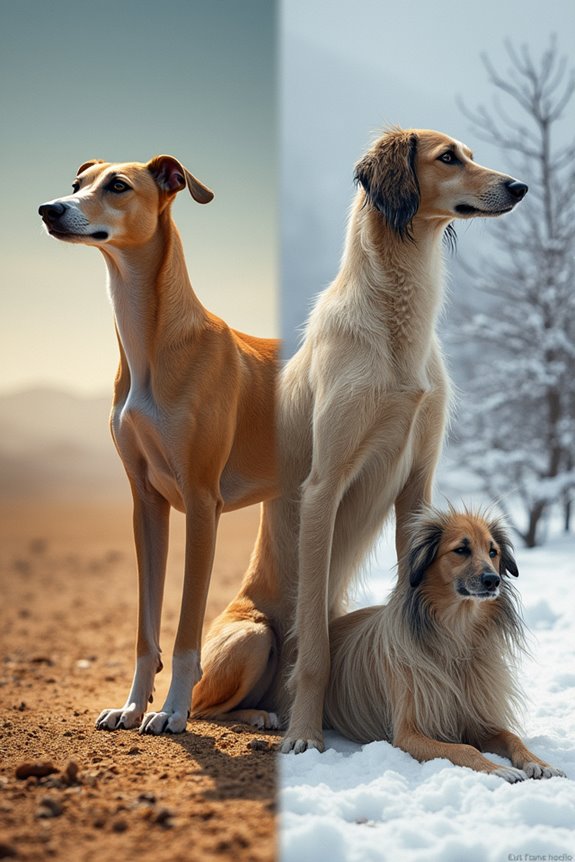
Understanding the importance of coat variation in sighthounds is crucial for their well-being, especially in extreme temperatures. Here’s what we need to take into account regarding their coat types:
- Coat Types: Most sighthounds have short, single-layer coats with minimal insulation efficiency, making them more vulnerable to cold than double-coated breeds.
- Insulation Efficiency: These thin coats provide less protection against heat loss and require supplemental clothing in cold weather.
- Color Effects: Coat color influences heat absorption; dark coats absorb more warmth, which can be beneficial in the cold while increasing the risk of overheating in heat.
- Coat Maintenance: Regular grooming maintains coat health, but sighthounds often need additional protective layers. Additionally, properly fitting a martingale collar can prevent discomfort in colder conditions, ensuring a more pleasant experience for your dog during walks.
Balancing Exercise Needs With Climate Conditions
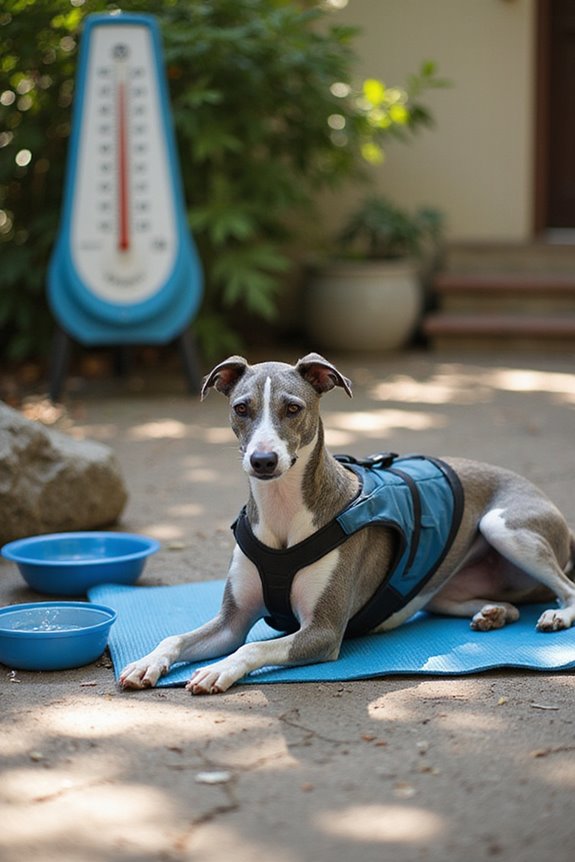
Sighthounds require exercise tailored to their unique needs, especially in varying climate conditions. To balance their exercise with climate constraints, we should consider the following:
- Timing: Schedule walks during cooler parts of the day, like early morning or late evening, to prevent overheating.
- Adjusting Exercise: In extreme heat or cold, modify exercise intensity or frequency to protect their health.
- Surface Safety: Choose suitable exercise surfaces, avoiding slippery or hot areas that could harm their paws or lead to injuries.
- Cool Down: Implement cooling strategies, such as shady rest areas and cooling vests post-exercise.
- Monitoring Health: Observe for signs of overheating or cold stress, ensuring safe play and overall fitness. Moreover, investing in high-quality dog attire can aid in maintaining their optimal body temperature during outdoor activities.
Recommended Products

Only 220gr/0.48lb (XS) the best harness in terms of weight and function on the market

A comfortable lifting harness that features full body support, with our patented "hip lift" technology. The Help 'Em Up Harness features cushioned and breathable padding, keeping your dog comfy and cool.

VEGETABLE-TANNED LEATHER - Every leather in this harness is vegetable-tanned - the slow, traditional tannage - so the hide stays supple and sits gently on sensitive skin.
Creating a Safe and Comfortable Indoor Environment

Creating a safe and comfortable indoor environment for our sighthounds is essential to their health and well-being. To achieve this, we must maintain an ideal indoor temperature between 16°C and 24°C (60°F to 75°F). This balance prevents hypothermia during colder months and reduces overheating risks.
When selecting bedding choices, soft and insulated materials are important to conserve body heat. Elevating the bedding protects against cold floors and drafts. Additionally, we should consider supportive features in dog beds that alleviate joint pressure, ensuring our sighthounds remain comfortable as they rest.
Good air circulation is crucial, too. We should guarantee proper ventilation while avoiding cold drafts, which can chill our pets. Finally, monitoring for signs of discomfort—such as shivering or overheating—helps us create a space that supports our sighthounds’ overall happiness and health.
Recommended Products

Stable and Durable: The wooden dog house is made of all pine wood construction, which is of Sturdy Quality, Environmentally Friendly and Strong Practicality. And it is suitable for all seasons.

Modular Sectional Sofa:Our minimalist style concubine chair sofa set is versatile, allowing for flexible configuration based on your needs. This living room ensemble comprises modular double longue chaise, enabling you to tailor your comfort and style

Premium 100% Cotton Matelassé: Made from high-quality 100% cotton with a richly textured matelassé weave that delivers a soft, quilted look and an elevated hand feel without heavy weight.
Outdoor Housing and Containment Requirements
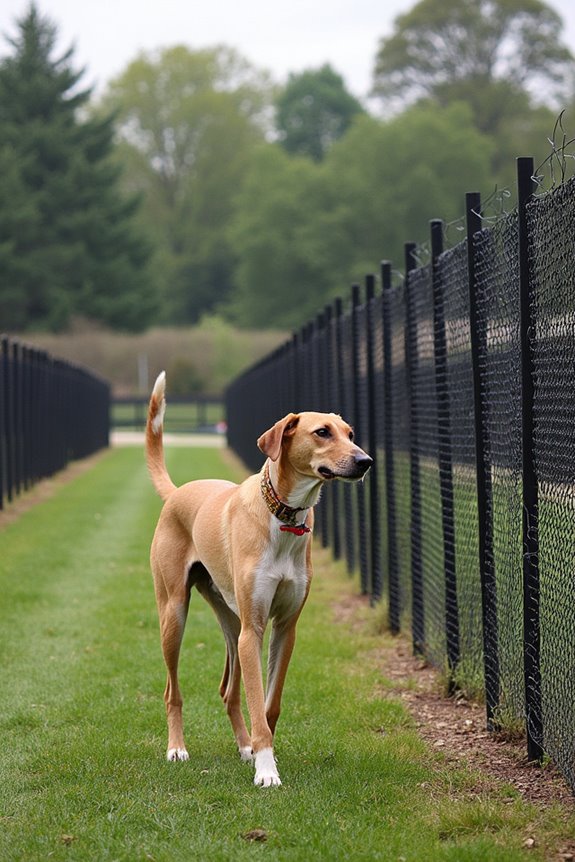
While we’ve focused on creating a comfortable indoor space for our sighthounds, many of us might face the reality of outdoor housing and containment requirements for our pets.
- Outdoor Shelter: It must have a roof, four enclosed sides, and a flat floor, protecting our dogs from sun, wind, rain, and snow. Elevated floors, at least 2 inches off the ground, help prevent cold and moisture absorption.
- Weather Protection: Ventilation is key, ensuring drafts are minimized while allowing airflow. Clean, dry bedding is essential once temperatures drop below 50°F (10°C), and additional insulation should be provided for colder conditions. Additionally, using all-weather coats can keep sighthounds warm and dry during outdoor exposure.
- Containment: Our outdoor space should include shaded areas, continual shelter access, and sufficient room for all dogs to avoid crowding.
Recommended Products

STABLE AND DURABLE:The extra large dog house is made of pine wood throughout the house,with stable structure and sturdy quality,more durable and environmentally friendly than ordinary plastic dog houses,and can be used all year round.

【BREATHABLE FABRIC and WIND ENDURANCE】 The Regatta canvas tent is made from breathable performance canvas. It's waterproof, UV resistant and available in multiple colors. With excellent wind and rain resistance, it's your reliable shelter in any weather. It's also available in a flame-retardant version for 4-season camping with wood stove. Elevate your outdoor experience with the White Duck Outdoors Regatta Tent.
Stable and Durable: The wooden dog house is made of all pine wood construction, which is of Sturdy Quality, Environmentally Friendly and Strong Practicality. And it is suitable for all seasons.
Recognizing Health Risks Associated With Temperature Extremes
Recognizing the health risks associated with temperature extremes is vital for sighthound owners, especially since these graceful dogs are particularly sensitive to both heat and cold.
- Heatstroke Prevention: In high temperatures, sighthounds risk heatstroke, presenting symptoms like heavy panting, lethargy, and vomiting. Significant rectal temperatures above 41.5°C indicate serious heat illness. Ambient temperatures of 31°C and above increase heat stress signs.
- Dehydration Symptoms: Panting can lead to rapid water loss, making hydration vital. Watch for dehydration symptoms such as a dry nose, sunken eyes, and reduced skin elasticity. Additionally, it’s important to ensure that your dog is properly equipped for walks with high-quality materials that can withstand the wear and tear of outdoor activities.
To maintain their well-being, we must proactively monitor our dogs for these signs and guarantee they have access to fresh water and shaded areas during hot months.
Recommended Products

Cool vest for those who want to keep cool and comfortable without others knowing. This vest is SMALLER than the our sport vests, is worn higher on the chest and fits under most garments. Shorter, allowing for better range of motion

STAYS COOL FOR 1–4 HOURS — COOLING TIME VARIES BY ICE PACK SIZE: SHORT DESIGN, WHOLE-BODY COOLING: Unlike water-evaporative vests that dry out in 20 minutes, Horay's intentionally short design targets the lungs, heart, and aorta — cooling the blood that circulates through your dog's entire body. Constant, long-lasting relief in high heat and humidity.

3-Layer Construction - The unique 3-layer construction of the upper material consists of 3mm neoprene gives a next to "skin" for warmth and comfort
Enhancing Behavioral Wellbeing Through Climate Management
Balancing our sighthounds’ physical health with their behavioral wellbeing requires careful attention to climate management. By minimizing climate stress, we create environments where our dogs can thrive. Here are key strategies to enhance their behavioral enrichment:
- Provide Environmental Stimuli: During mild weather, introduce varied activities to promote natural behaviors, reducing frustration and boredom.
- Structured Exploration: Allow opportunities for interaction with other animals and exploration of new environments, which helps build their confidence.
- Maintain Temperatures: Keep indoor spaces below 35°C and guarantee outdoor excursions occur during cooler parts of the day.
- Address Cold: Use dog coats when temperatures drop below 15°C to prevent anxiety from cold stress.
These practices help foster positive experiences, enhancing our sighthounds’ overall behavioral stability.
Frequently Asked Questions
How Do I Choose the Right Dog Jacket for My Sighthound?
To choose the right jacket for our sighthound, we should consult a sizing guide to guarantee proper fit and consider jacket materials that offer durability, warmth, and weather protection tailored to their unique body shape.
Can Sighthounds Tolerate Humidity in Addition to Temperature Extremes?
Sighthounds can’t tolerate humidity well, like fish struggling on land. Their temperature adaptation is compromised, making humidity effects even more challenging. We must monitor conditions closely to protect our furry friends from heat stress.
What Specific Signs Indicate My Sighthound Is Too Cold or Hot?
We should watch for cold signs like shivering, cold ears, and reluctance to move. In contrast, heat signs include excessive panting, dark gums, and lethargy. Monitoring these can keep our sighthounds safe and comfortable.
Are There Particular Breeds of Sighthounds More Sensitive to Climate?
Yes, certain sighthound breeds, like Whippets and Italian Greyhounds, show greater climate sensitivity compared to others. Their lean builds make them vulnerable to heat and cold, so we must monitor their comfort carefully.
How Do I Transition My Sighthound Between Seasons Effectively?
To shift our sighthounds between seasons effectively, let’s adjust seasonal grooming practices and nutrition—ensuring they’re comfortable and healthy. Regular grooming helps, and we can modify their diet to maintain energy as temperatures change.