As an Amazon Associate, we earn from qualifying purchases. Some links on this site are affiliate links at no extra cost to you. Our recommendations are based on thorough research and editorial judgment.


What Are Sighthound DNA Testing Questions?

Sighthound DNA testing raises important questions that we should consider. For instance, we often ask about:
- The accuracy of breed identification and ancestry.
- What health concerns can genetic tests uncover?
- How do genetic markers reveal disease predisposition?
- What are the costs and ethical considerations associated with testing?
Understanding these aspects can guide our choices in selecting appropriate tests. As we explore further, we’ll uncover more insights into the significance of sighthound DNA testing.
Key Takeaways
- What breeds are present in my sighthound’s ancestry, and how does this impact their health and behavior?
- Are there specific genetic markers that indicate potential health issues for my sighthound?
- What type of DNA test should I choose based on my sighthound’s needs and my budget?
- How accurately do these tests reflect my sighthound’s breed identity and genetic traits?
- What ethical considerations should I be aware of regarding my sighthound’s genetic data privacy?
Understanding the Purpose of Sighthound DNA Testing
Why is sighthound DNA testing important? Understanding breed identity through DNA testing offers several benefits for both owners and veterinarians. Here’s why it matters:
- Breed Identification: Confirming a sighthound’s breed or mixed ancestry helps owners recognize potential traits and tendencies associated with specific breeds.
- Genetic Awareness: Knowing the breed mix assists veterinarians in targeted health monitoring, allowing for tailored health care planning.
- Behavioral Insights: Genetic background can clarify behavioral traits, guiding owners in understanding their dog’s needs.
- Breeder Support: Accurate breed verification aids breeders in maintaining pedigree integrity and breed standards.
- Additionally, understanding a sighthound’s nutritional needs can inform diet choices that enhance performance and recovery in their daily lives.
Ultimately, sighthound DNA testing enhances our knowledge and promotes better care, ensuring that we support our beloved pets effectively.
Common Health Concerns Addressed by DNA Tests
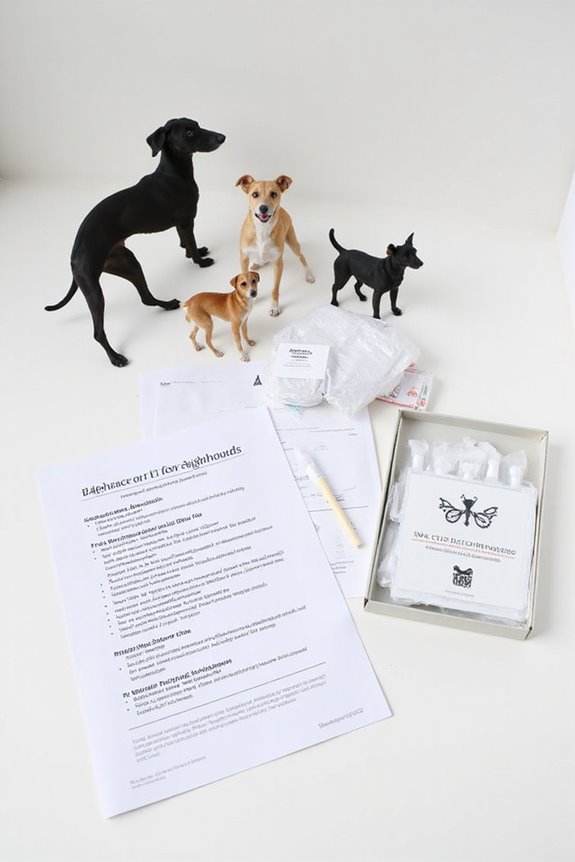
Common health concerns in sighthounds can be considerably addressed through DNA testing, which provides essential insights into genetic predispositions.
- Bleeding Disorders: Genetic mutations, such as DEPOH, raise the risk of postoperative hemorrhage; early testing can guide surgical planning.
- Eye Diseases: Conditions like Progressive Retinal Atrophy (PRA) and Primary Closed Angle Glaucoma (PCAG) can lead to blindness. Breed-specific DNA tests help manage these risks.
- Musculoskeletal Disorders: Genetic issues, including Intervertebral Disc Disease and degenerative myelopathy, affect mobility. Testing predicts these risks.
- Immunological Conditions: Disorders such as Severe Combined Immunodeficiency Disease (SCID) can impair immune function. DNA screening assists in risk assessment.
- Cardiovascular Traits: Variants in genes linked to endurance support healthier cardiovascular function, vital for sighthound athletes. Additionally, understanding size accuracy for sighthound leashes can enhance safety during walks related to overall health management.
Genetic Markers and Their Role in Disease Detection

Genetic markers play a significant role in detecting diseases in sighthounds, building on the insights gained from DNA tests that address health concerns. These markers identify genetic predispositions specific to breed-related health issues. For instance:
- Genome-wide association studies have pinpointed disease markers like the DEPOH gene linked to bleeding disorders in Scottish deerhounds.
- We can assess mutation screenings for drugs affecting sighthounds, reducing adverse reactions.
- Low thyroid hormone levels in breeds such as Greyhounds also reveal genetic influences that aid diagnosis.
- SINE insertions are associated with neurological diseases, demonstrating how these markers help in identifying hereditary conditions.
- Additionally, understanding genetic predispositions allows for more effective implementation of limited ingredient diets to manage allergies and other health issues.
Incorporating genetic testing strengthens our efforts to improve the overall health and well-being of sighthounds.
Practical Benefits of Sighthound Genetic Testing
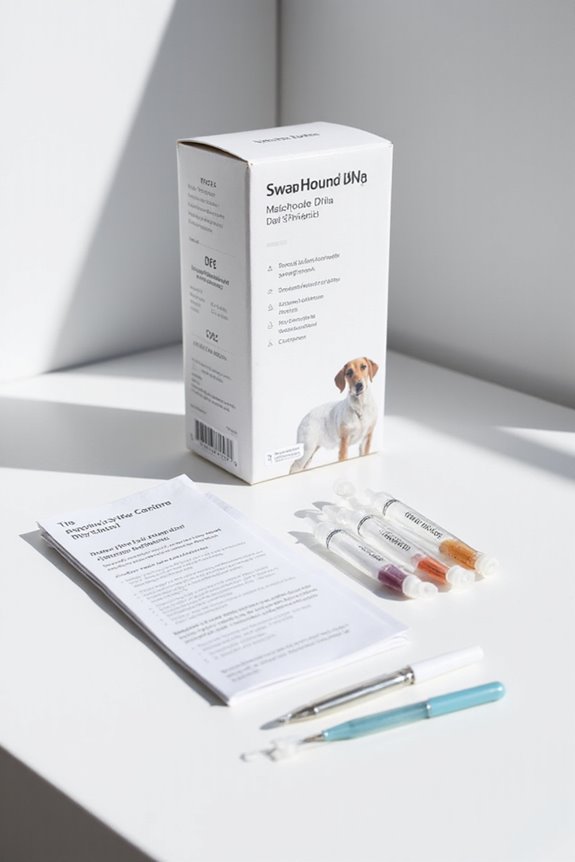
The practical benefits of sighthound genetic testing extend far beyond mere curiosity about our pets’ ancestry. This testing helps us identify predispositions to hereditary diseases, allowing for early intervention, which greatly improves outcomes. For example, we can detect risks for conditions like bleeding disorders in breeds such as Scottish Deerhounds.
- Genetic counseling becomes crucial, guiding us through informed decisions regarding our sighthound’s health.
- Knowledge of potential drug sensitivities can streamline emergency treatments, ensuring better care.
- Breeders benefit too, as testing prevents known inherited disorders and enhances genetic diversity. Additionally, understanding a sighthound’s unique nutritional requirements can aid in optimizing their diet for overall health and wellness.
Interpreting Complex Breed Mix Results

When we explore the complexities of interpreting mixed-breed DNA results, it’s essential to recognize the challenges that arise from genetic overlap among various breeds. This overlap can lead to breed identification challenges, particularly when distinct breeds share genetic markers.
Key aspects include:
- Ancestral contributions analysis: Dogs often present traits of breeds several generations back, leading to low-percentage results that may confuse owners.
- Variability: Different testing companies use unique algorithms and databases, contributing to inconsistent findings.
- Genetic markers: Certain breeds, especially those with shared ancestry, may result in misinterpretation.
Challenges in DNA Test Result Interpretation
Understanding the challenges of DNA test result interpretation is essential for dog owners seeking clarity about their pets’ breeds and health.
- Interpretation Limitations: The accuracy of tests hinges on reference databases; if specific breeds aren’t well-represented, the results can be misleading.
- Genetic Variant Challenges: Some genetic variants are specific to breed subtypes, complicating assessments. For example, the PDE6B gene variants differ in Sloughis and Irish Setters, potentially skewing results.
- Complex Breed Identity: Sighthound diversity means overlapping genetic signatures may produce vague breed categorizations, leading to confusion.
- Health Concerns: Not all genetic variants directly predict disease; some may remain asymptomatic, while others may be intertwined with multiple genetic factors.
Navigating these challenges can help us apply test results more effectively. Additionally, some breeds exhibit specific nutritional requirements that can further influence breed identification and health insights.
Sample Collection Process and Requirements
How can we guarantee that the DNA sample collection process for our sighthounds is both effective and compliant with best practices? First, we should select appropriate collection techniques, primarily using buccal swabs or FTA cards for non-invasive sampling. Here are essential steps to follow:
- Avoid feeding or drinking right before collection to enhance DNA quality.
- Use a sterile cytology brush or foam applicator, gently swabbing the inside of the cheek.
- Handle samples carefully to prevent contamination, and adhere to kit instructions for sample preservation.
Once collected, ship the samples promptly, making certain they stay dry. Include necessary documentation, such as microchip numbers, to guarantee traceability. By following these guidelines, we guarantee the integrity of our testing process, especially considering that hands-free leashes can help maintain control during sample collection, minimizing the chances of sudden pulls that could affect the sampling process.
Cost Considerations for Genetic Testing
Cost considerations for genetic testing can often complicate our decision-making process, as we endeavor to balance quality and affordability when selecting the best tests for our sighthounds. Understanding the cost breakdown is essential for making informed choices.
- Basic breed identification tests typically range from $70 to $130.
- In-depth panels, including health screenings, can cost $150 to over $200.
- Prices also vary by provider; premium brands may charge between $130 and $200 for detailed tests.
When contemplating test selection, we should weigh the benefits of more thorough screenings against our budgetary constraints. Pet owners generally face lower costs due to single-use kits, while breeders often incur higher expenses for extensive genetic evaluations. Ultimately, finding the right test lies in evaluating our specific needs and financial limits.
Ethical Considerations and Data Confidentiality
As we explore the ethical considerations surrounding sighthound DNA testing, it’s crucial to recognize the profound implications of data confidentiality. The sensitive nature of genetic information necessitates strong safeguards to guarantee privacy. Here are some key points:
- Genetic data breaches can lead to unauthorized use, raising ethical implications regarding individual rights.
- Transparency about data ownership is essential; owners must know whether they retain control or if companies may use samples for research.
- Clear consent must be established, detailing how and why genetic data will be used.
- Educating dog owners about the broader implications of DNA results can prevent misuse.
- Protecting confidentiality builds trust between dog owners, breeders, and testing services, fostering a responsible breeding environment.
Frequently Asked Questions
How Long Does the DNA Testing Process Typically Take?
Typically, the DNA testing duration is around 15 business days, but additional sample requirements can extend that timeline. We acknowledge proper sample collection makes a difference, so let’s make certain we follow the guidelines closely!
Can Genetic Testing Predict Future Health Issues?
Genetic testing can identify health risks by revealing genetic markers, but it can’t predict future issues with certainty. We should use health screening alongside regular veterinary check-ups for a thorough approach to our dogs’ well-being.
What Happens if My Dog Has an Unknown Mutation?
If our dog has unknown mutations, we may need to explore potential treatments cautiously. Monitoring and further testing can help us understand their implications while ensuring we make informed decisions for our dog’s well-being.
Are There Specific Companies Recommended for Sighthound DNA Testing?
If we’re searching for the ultimate sighthound DNA testing, we can’t overlook Begin, Wisdom Panel, and Orivet for their recommended services and testing accuracy—each one shines in reliability and thorough insights into our beloved breeds.
How Often Should Dogs Be Re-Tested for Genetic Health Updates?
We should consider periodic re-testing every year or two for genetic updates, depending on breed and health trends. This keeps us informed about any new mutations or conditions that could affect our dogs’ health.