As an Amazon Associate, we earn from qualifying purchases. Some links on this site are affiliate links at no extra cost to you. Our recommendations are based on thorough research and editorial judgment.


What Are Sighthound Puppy Milestone Development Stages?

Sighthound puppies progress through several key milestone stages essential for their growth and development:
- Neonatal Stage (Birth to 2 Weeks): Puppies rely on their mother’s care and warmth.
- Transitional Stage (2 to 4 Weeks): They begin opening their eyes and ears, gaining sensory awareness.
- Socialization Stage (4 to 8 Weeks): Positive interactions foster social behavior and a bond with humans.
- Juvenile Stage (8 to 16 Weeks): Increased energy and initial training begin.
Understanding these stages helps guide their nurturing and development; there’s much more to explore.
Key Takeaways
- Neonatal puppies rely entirely on their mother for warmth and nutrition during the first two weeks of life.
- By 4 weeks, puppies begin socialization, focusing on interactions with littermates and humans for emotional stability.
- The transitional stage, from 2 to 4 weeks, involves significant sensory development, including opening eyes and ears for increased awareness.
- Between 4 to 16 weeks, puppies refine social behaviors and start basic obedience training with positive reinforcement techniques.
- Adolescence, occurring from 4 to 12 months, brings increased curiosity and boundary testing, requiring consistent training and socialization.
Neonatal Stage (Birth to 2 Weeks)
The neonatal stage, which lasts from birth to 2 weeks, is a crucial period in a sighthound puppy’s development. During this time, puppies rely on their mother for everything, focusing on neonatal care and nursing patterns.
- Puppies are born fully furred but cannot see or hear, as their eyes and ears remain closed.
- They spend about 90% of their time asleep, depending on maternal warmth to regulate their body temperature.
- Puppies respond to the cold by making quiet squeaking sounds, signaling distress.
- Their weight can double within the first week, reliant on frequent nursing for rapid growth.
In this fragile period, proper care guarantees the puppies thrive as they develop essential skills for later life. Ensuring a nutritious diet rich in high-quality protein sources is important as the puppies transition to solid food around weaning time.
Transitional Stage (2 to 4 Weeks)

As puppies shift from the neonatal stage to the developmental phase, they undergo significant physical and sensory advancements that lay the groundwork for their future growth.
- By week 3, puppies begin to sit, stand, and take their first wobbly steps, showcasing emerging developmental behaviors.
- Their sensory growth accelerates; ear canals open, enabling responses to sounds, while eyes fully open, marking the beginning of visual awareness.
- They start to communicate through tail wagging and early vocalizations like barking and growling.
- Independence also emerges; puppies increasingly manage elimination without maternal help and begin exploring beyond their sleeping area.
- These changes are vital in shaping the personalities and behaviors of sighthound puppies as they prepare for further socialization in the upcoming stage, with proper measuring of collars ensuring a comfortable fit as they grow.
These changes are vital in shaping the personalities and behaviors of sighthound puppies as they prepare for further socialization in the upcoming stage.
Recommended Products

Made with a unique soft quality thick distressed buffalo leather. Strong, but extremely comfortable, these vibrantly colored collars are simple in design, but stand out in any dog gathering. You will love the quality and durability of heavy duty solid brass buckles and ring, and the elegant formal slip-on design.

Please measure your dog before ordering!

Dog Lift Harness with Reflective Handle: The padded handle not only offers protection but also ensures an immediate and secure grip. It allows you to assist your dog over obstacles or gain instant control during outings or training sessions. The soft handle becomes invaluable when your dog encounters other dogs or crosses streets, providing you with instant grip control and assistance to avoid potential dangers.
Socialization Stage (4 to 8 Weeks)

Upon reaching the Socialization Stage, which spans from 4 to 8 weeks, sighthound puppies experience significant growth in their sensory and social development.
- During this period, their sensory abilities, including sight and hearing, mature rapidly.
- Stability in their environment is critical for emotional balance, allowing puppies to develop a stable temperament.
- Positive interactions with their mother and littermates are fundamental, as they learn essential social behaviors, hierarchy, and bite inhibition through play.
- Human interaction becomes important, too; varied experiences with different people set the stage for trust and bonding.
- By gradually introducing them to household sounds and gentle handling, we can build their confidence, creating well-adjusted companions for the future. Additionally, providing a comfortable resting space, such as a sighthound bolster bed, can enhance their overall sense of security and support their developmental needs.
Recommended Products

Donut-style pet bed made of durable material with ultra-soft faux fur exterior and plush bolster rim for cozy warmth and comfort

【Embracing design】Some dogs may experience insecurity, so we crafted a wrap-around design that contours snugly to their body when they curl up. This structure mimics the natural embrace of a mother, providing warmth and comfort to ease their anxiety.

ENHANCED COMFORT: Bolstr is a versatile, durable memory foam pet bed with a bolstered headrest, compatible with DIGGS Evolv and standard wire crates. Designed with top-quality materials, the Bolstr Dog Bed offers superior comfort and support for the head, neck, and joints, making it the ideal choice for every pet, from playful puppies to senior dogs.
Juvenile Stage (8 to 16 Weeks)
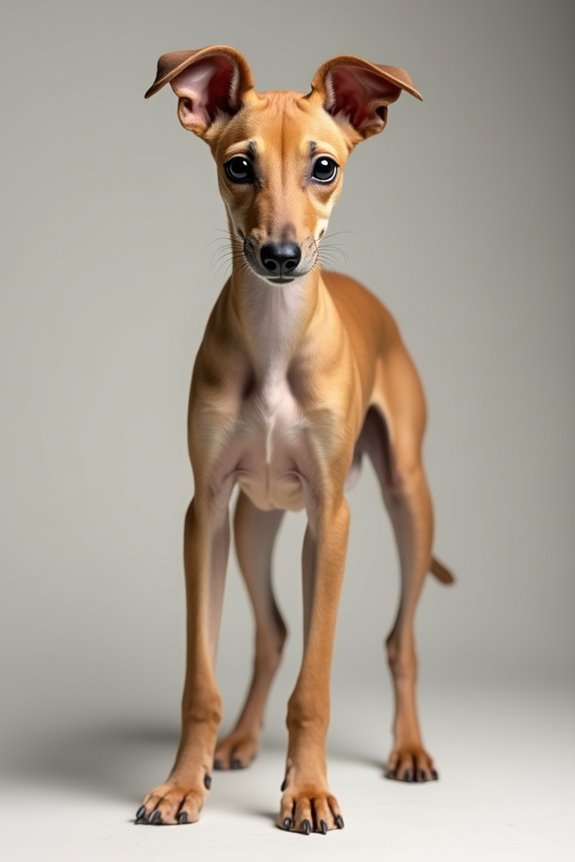
During the Juvenile Stage, which lasts from 8 to 16 weeks, we witness remarkable growth and development in sighthound puppies.
- Puppies typically double their weight during this period, with enhanced coordination and motor skills enabling confident walking and running.
- Juvenile play is vital; interactions with littermates help refine communication and social cues.
- Bonding activities with humans and varied environments foster confidence and reduce anxiety, preventing future fearfulness.
- Basic obedience training begins, utilizing positive reinforcement to teach commands like sit and stay.
- Proper nutrition and regular veterinary check-ups are essential as sighthounds continue to grow, and their unique health needs are monitored. Including high-quality ingredients in their diet is crucial for optimal development and health.
Recommended Products

PUPPY-SPECIFIC RAW NUTRITION MADE EASY: Made with cage-free chicken and crate-free pork raised without antibiotics, steroids, or added hormones, this freeze-dried dog food delivers targeted nutrition to support healthy growth in early life stages.

A large breed puppy food specially made with an optimal level of calcium for controlled bone growth

SMALL BREED PUPPY FOOD: Royal Canin Small Breed Dry Puppy Food for puppies 2 to 10 months with an expected adult weight of 9 to 22 lbs
Adolescence (4 to 12 Months)

Sighthound puppies progress into the adolescence stage between 4 to 12 months, marked by significant physical and behavioral developments. During this period, we’ll notice our puppies exhibiting heightened adolescent energy as they experience rapid growth and reach sexual maturity, with female puppies often entering their first heat between 6 and 9 months.
- Boundary testing becomes common; they may display stubbornness and increased curiosity.
- It’s essential to address developmental challenges, including inconsistent impulse control and fluctuating social maturity, as they navigate new stimuli.
- Ongoing socialization is important, promoting emotional development and reducing anxiety around other dogs and people.
- Training sessions, enriched with positive reinforcement, can solidify commands and manners to guarantee a well-rounded adult demeanor. Additionally, utilizing a proper fit for harnesses ensures safety and comfort during this energetic phase, making walks more enjoyable for both the puppy and owner.
Adulthood (1 to 2+ Years)
Entering adulthood between 1 and 2 years marks an essential period in a sighthound’s life where they achieve physical and behavioral maturity.
- Adulthood Milestones: By 18 to 24 months, their growth plates close, and they reach full physical size. Muscle development continues, while bone density improves strength.
- Adult Behavior: We see stabilization in temperament, with increased responsiveness to commands. Social behaviors become more predictable, and emotional maturity allows better coping with changes.
- Energy Levels: Compared to puppyhood, energy moderates, shifting towards structured exercise instead of spontaneous bursts.
- Training: Consistent training sessions promote learned behaviors, while ongoing socialization prevents potential adult behavioral issues. Including nutritional needs as part of their care plan is crucial for maintaining their overall health and performance.
Regular veterinary check-ups verify health, culminating in a balanced and well-rounded adult sighthound.
Physical Development Milestones
Physical development milestones in sighthound puppies encompass critical stages that markedly shape their growth and abilities.
- Neonatal Stage (Birth to 2 Weeks): Puppies are born almost immobile, relying on their mother for warmth and nourishment. Eyes begin opening around days 10–14.
- Transitional Stage (2 to 4 Weeks): Significant progress occurs as puppies respond to light and sound. They start standing and taking wobbly steps, improving motor skills.
- Early Social and Physical Growth Stage (4 to 12 Weeks): This stage sees rapid sighthound growth, with enhanced muscle development promoting puppy agility as they explore their environment.
- Juvenile Growth Phase (3 to 6 Months): Noticeable leg and body lengthening happens, nearing adult height, while coordination improves for sustained play.
- Late Puppy to Adolescent Growth (6 to 12 Months): Growth slows, but muscle mass increases, refining overall physical maturity and energy levels.
Behavioral Development Milestones
As sighthound puppies advance beyond their physical milestones, their behavioral development becomes increasingly important in shaping their future interactions and adjustments in various environments.
- 3-6 Weeks: Early exploration begins, where play behavior teaches them about social cues and biting inhibition. Maternal discipline helps define acceptable behavior.
- 6-12 Weeks: Social skills refine as they engage with littermates and now focus on humans. Environmental exploration is vital for responsiveness.
- 3-6 Months: They begin to recognize dominance hierarchy among peers and humans, while teething affects interaction dynamics.
- 6-18 Months: Assertiveness tests relationships, requiring consistent management. They also develop impulse control and emotional regulation through social play and exposure to varying situations.
Through these stages, we guide them toward balanced behavioral development, ensuring readiness for their future interactions.
Socialization and Training Opportunities
Building a strong foundation in socialization and training is essential for sighthound puppies, especially during their formative weeks.
- Social Play: Engaging with other puppies helps develop crucial social skills and reduces reactivity.
- Human Interaction: Early exposure to various people builds comfort and trust, fostering emotional bonding.
- Environmental Exposure: Introduce puppies to diverse settings gradually, enhancing adaptability while managing fear.
- Training Consistency: Use positive reinforcement during training sessions to encourage repetition of desired behaviors.
- Fear Management: Monitor body language closely to avoid overwhelming experiences; step back if distress appears.
Health and Veterinary Considerations
Understanding the health and veterinary considerations for sighthound puppies is crucial for ensuring their well-being and proper development. Here’s what we need to focus on:
- Veterinary Vaccinations: Core vaccines should begin at 6-8 weeks, covering distemper, parvovirus, and adenovirus, with boosters every 3-4 weeks until 16 weeks.
- Health Screenings: Regular check-ups are essential to monitor growth, especially addressing breed-specific needs.
- Nutritional Needs: Sighthound puppies need high-quality diets with sufficient protein and calcium, monitored through weekly weight checks.
- Parasite Control: Deworming starts at 2-3 weeks and is repeated until 12 weeks, along with flea and tick prevention year-round.
Prioritizing these considerations helps us provide the best care for our sighthound puppies.
Recommended Products

All-in-one pet care tracking: vaccinations, vet visits, medical exams, medications and more

Good Harbor Pet Supplies - Premium Puppy Whelping Essentials Kit | Newborn dog health supplies | Includes: Be prepared for you litters birth with a kit that includes important whelping aids to keep track of your litter and to keep your pups safe.

Good|Harbor Dog Health Record Booklets - PACK OF 50 - High quality CARD STOCK allows for easy writing with no bleed-through.
Frequently Asked Questions
How Can I Tell if My Sighthound Puppy Is Developing Normally?
To know if our sighthound puppy’s developing normally, we should observe puppy behavior and growth patterns closely. Are they gaining weight steadily and interacting well? Any signs of distress or delays warrant a vet visit.
What Are Common Health Issues in Sighthound Puppies?
Sighthound puppies commonly face illnesses like cardiomyopathy, bone cancer, and parasites. Preventive care, including vaccinations and balanced nutrition, is essential for their development. Let’s keep a close eye on their health together.
When Should I Start Grooming My Sighthound Puppy?
We should start grooming our sighthound puppy at 6 to 8 weeks using gentle grooming tools. Initially, grooming frequency can be 1-2 times per week, gradually increasing as our puppy grows and becomes accustomed.
How Can I Properly Socialize My Sighthound Puppy?
To properly socialize our sighthound puppy, let’s schedule puppy playdates and enroll in socialization classes. After all, who wouldn’t want a dog that’s both charming and well-mannered, instead of a furry tornado of chaos?
What Dietary Requirements Does My Sighthound Puppy Need?
Our sighthound puppies need a careful nutritional balance including high-quality protein, moderate fat, and low carbohydrates. Following specific feeding guidelines guarantees they get essential nutrients while supporting healthy growth and development during their early stages.