As an Amazon Associate, we earn from qualifying purchases. Some links on this site are affiliate links at no extra cost to you. Our recommendations are based on thorough research and editorial judgment.

What Food Is Recommended For Greyhounds And Whippets?

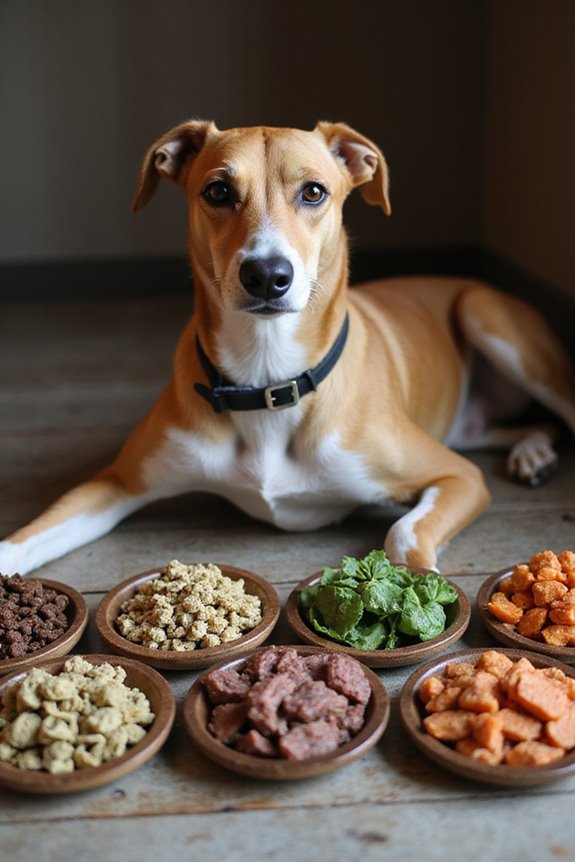
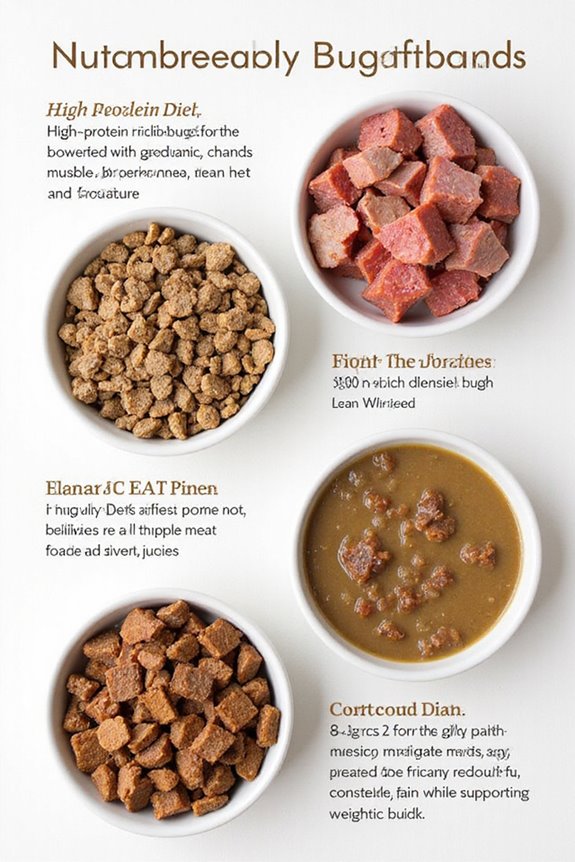
For Greyhounds and Whippets, a diet rich in high-quality animal proteins is crucial. Adult Greyhounds need about 20% protein, while racing Greyhounds should have up to 29%. Whippets require 20-25% protein, increasing to around 30% for racing. Essential fats between 10-20% enhance energy levels and support muscle health. We recommend fresh or raw diets, incorporating lean meats, raw meaty bones, and organ meats for ideal nutrition. Continue with us to discover more about their dietary needs.
Key Takeaways
- Provide high-quality animal proteins, with 20-30% protein depending on the dog’s activity level, to support muscle health.
- Incorporate essential fats, aiming for 10-20%, to enhance energy metabolism and overall health for both breeds.
- A fresh food diet improves dental health, skin quality, and digestive health due to high moisture content and nutrient density.
- Avoid low-quality kibble to prevent gastrointestinal issues, and regularly monitor weight to prevent obesity and joint problems.
- Consult a veterinarian for personalized diet plans and to address any dietary allergies or specific nutritional needs.
Nutritional Requirements of Greyhounds and Whippets
When considering the nutritional requirements of Greyhounds and Whippets, it’s important to recognize the specific needs that cater to their active lifestyles.
- Protein Sources: Both breeds require high-quality animal proteins, with adult Whippets needing 20-25% protein and racing Whippets around 30%. In contrast, adult Greyhounds require about 20%, while racing or rearing Greyhounds benefit from 28-29% for ideal muscle maintenance.
- Essential Fats: Together, fats should constitute about 10-14% for Whippets and up to 20% for performance Greyhounds. Balanced dietary fats supply necessary energy, particularly unsaturated triglycerides. Incorporating high-quality protein sources is vital for muscle maintenance and energy levels in both breeds.
Maintaining the right protein and fat balance is essential, as it supports muscle health, energy metabolism, and overall function, key for both breeds’ performance and well-being.
Benefits of a Fresh Food Diet
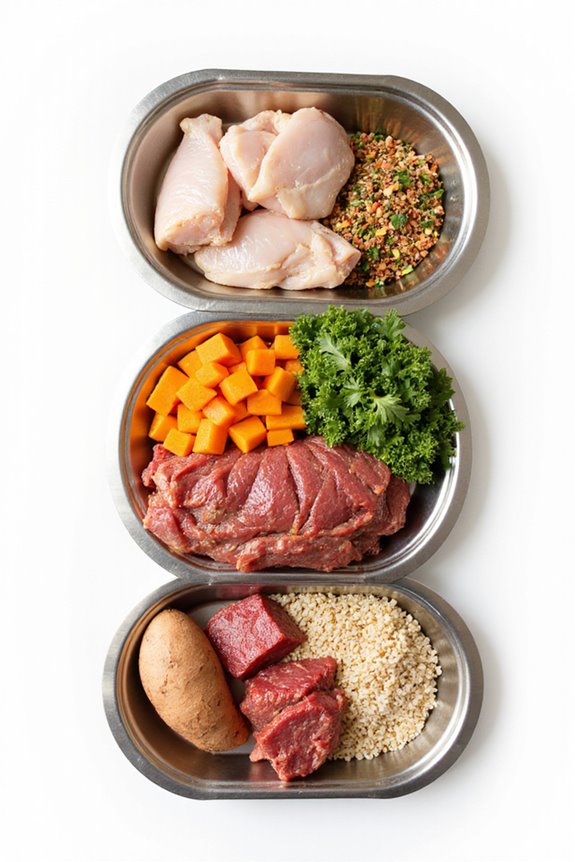
Opting for a fresh food diet can remarkably enhance the overall health of Greyhounds and Whippets, offering benefits that extend beyond mere nutrition. Here are some key advantages:
- Improved Dental Health: Fresh ingredients greatly reduce plaque build-up, minimizing the risk of dental infections and chronic oral disease.
- Enhanced Skin and Coat: The bioavailability of essential nutrients, particularly omega-3 fatty acids, leads to healthier, shinier coats while reducing skin sensitivities.
- Better Digestive Health: With about 70% moisture, fresh food aids in digestion and hydration, often resulting in consistent, softer stools.
- Weight Management: Fresh diets allow for customizable calorie intake, promoting healthy weight control in these active breeds. Additionally, specific nutritional needs should be considered to ensure optimal performance and health for these dogs.
Risks Associated With Kibble and Grain-Free Diets

While a fresh food diet can greatly enhance the health of Greyhounds and Whippets, it’s important to address some risks associated with kibble and grain-free diets that many pet owners often consider.
- Kibble Comparisons: Premium kibble typically has higher ingredient quality, fostering better digestibility. However, lower-quality options can lead to gastrointestinal issues, excessive gas, and diarrhea.
- Grain-Free Diet Risks: The FDA highlights potential links between grain-free diets and canine dilated cardiomyopathy (DCM), stressing caution, especially for sensitive breeds.
- Weight Management: Overfeeding, particularly with calorie-dense kibble, can lead to obesity, increasing risks of joint damage and metabolic disorders. Regular weight monitoring is essential to maintain peak health. Additionally, it is crucial to consult with a veterinarian to ensure the dog’s diet meets their nutritional needs and addresses any allergies.
Key Components for Raw or Fresh Diets
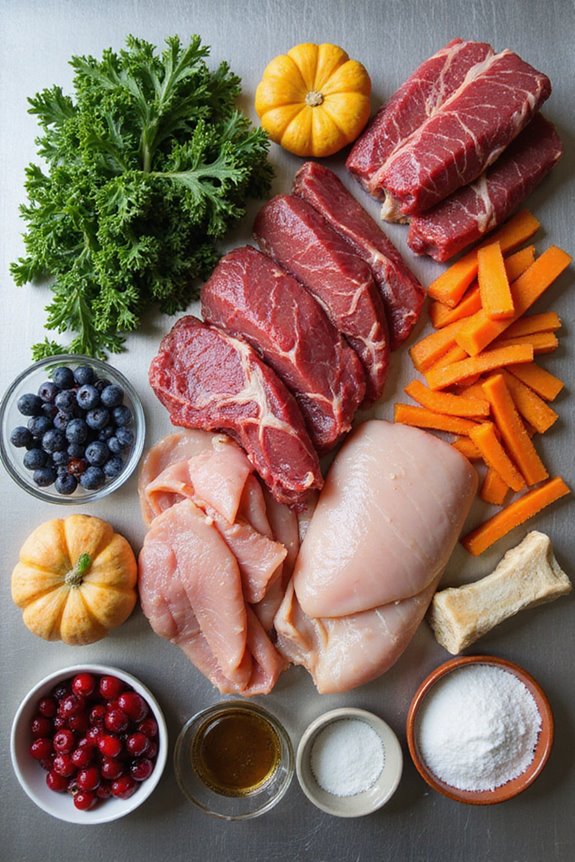
A fresh or raw diet for Greyhounds and Whippets plays a crucial role in their overall health and well-being, as these diets closely mimic what their ancestors consumed. Key components include:
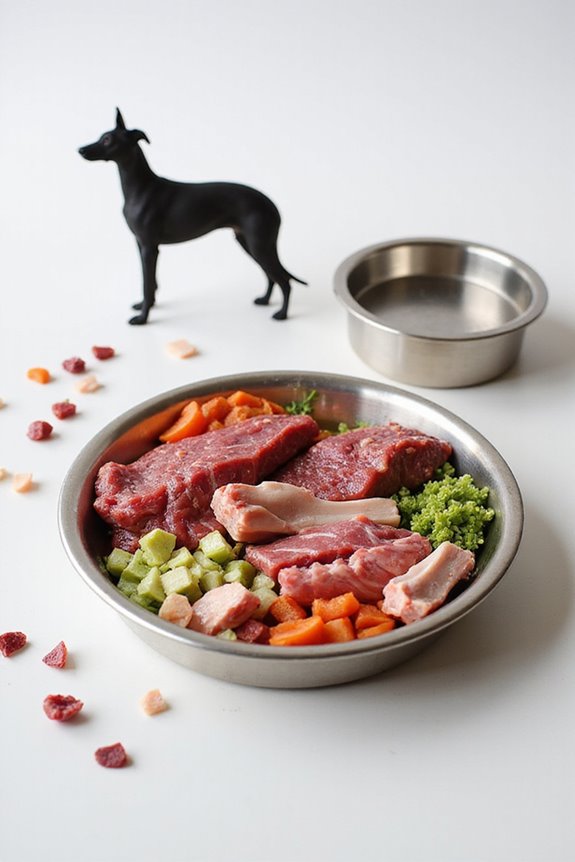
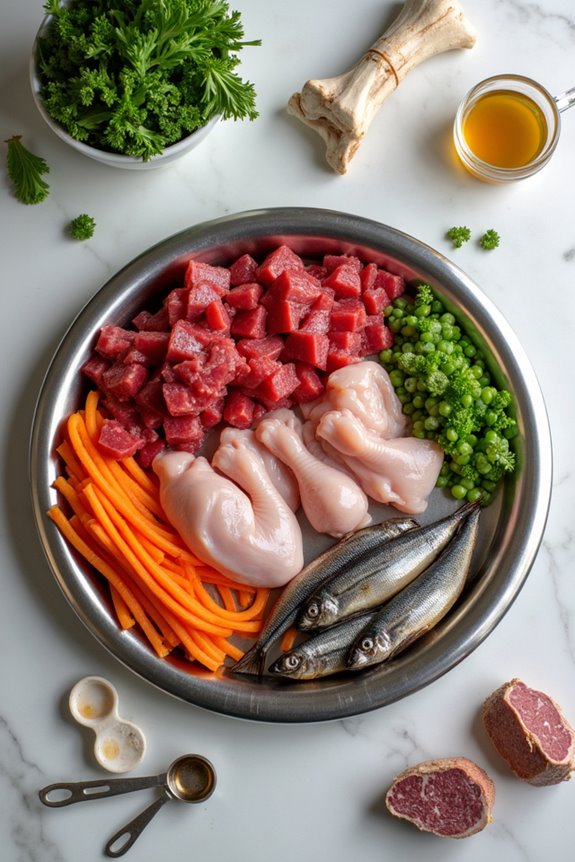
- Raw Meat: This serves as the primary protein source, supporting lean muscle and vitality. Incorporating raw meaty bones, like chicken backs and beef oxtails, provides essential calcium and phosphorus for bone health. Bones must be raw to prevent splintering hazards.
- Offal Benefits: Organ meats such as liver and heart are nutrient-dense and should be included regularly. They offer vitamins and minerals often lacking in muscle meat, essential for immune functions. Additionally, high-quality protein sources can help enhance lean muscle development and overall health.
Incorporating these elements can help guarantee our canine companions thrive through a balanced and natural diet.
Managing Weight and Sensitive Digestion
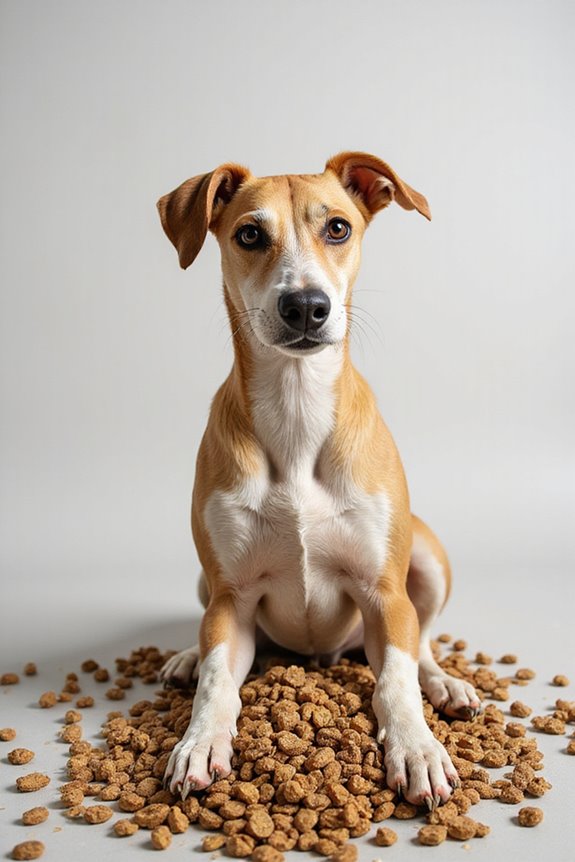
Managing weight and sensitive digestion is vital for Greyhounds and Whippets, as these dogs have unique dietary needs due to their athletic builds and fast metabolisms.
- Calorie Control: We should opt for high-protein foods like lean meats and fish, which help maintain lean muscle and promote satiety. However, balance is key to avoid health issues.
- Portion Management: Using a measuring cup, we can guarantee precise portions to prevent overeating. Establishing a consistent feeding schedule regulates metabolism and hunger.
- Low-Calorie Vegetables: Incorporating options like carrots and green beans can help reduce calorie intake without sacrificing meal volume. Additionally, incorporating high-quality protein sources can further support muscle maintenance and overall energy levels.
Consulting with a veterinarian is vital for tailoring diets to individual needs, guaranteeing healthy weight management and supporting sensitive digestions.
Frequently Asked Questions
Can Greyhounds and Whippets Eat Fruits and Berries?
“An apple a day keeps the doctor away.” Yes, Greyhounds and Whippets can enjoy fruits and berries! These nutritious treats offer fruit benefits, with great berry options like blueberries and strawberries enhancing their health in moderation.
How Often Should I Feed My Greyhound or Whippet?
We recommend a consistent feeding schedule, giving adult Greyhounds and Whippets two meals daily. Portion control is essential to prevent bloat and maintain a lean body, so adjusting meal sizes as needed is important.
Are Raw Diets Safe for Puppies?
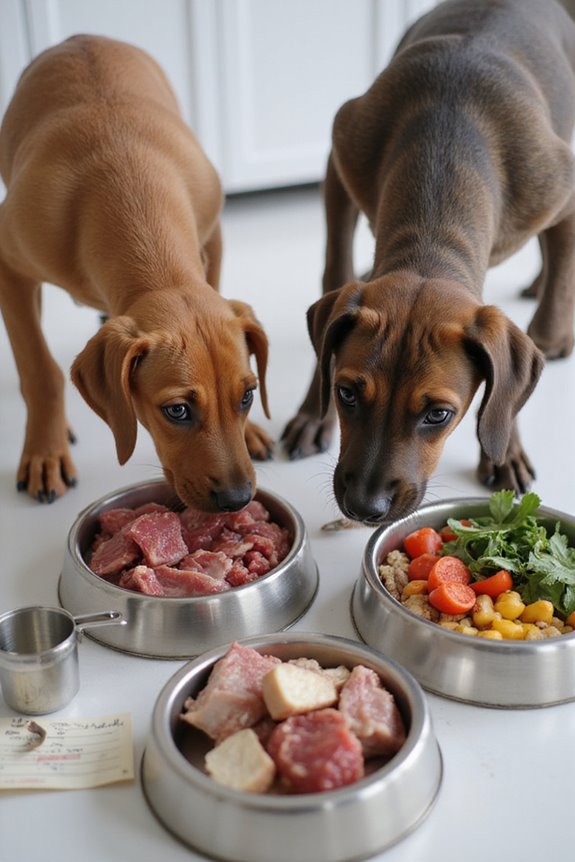
Raw diets can offer benefits for puppies, but they also carry significant risks. We should always weigh the nutritional advantages against potential health issues and consult vets to guarantee the safety and well-being of our furry friends.
What Are Common Symptoms of Food Allergies in Dogs?
Did you know that around 10% of dogs suffer from food allergies? We often see symptoms of allergies like chronic diarrhea, itching, and bloating, frequently linked to common food intolerances such as beef or wheat.
Which Human Foods Are Safe for Greyhounds and Whippets?
We can safely share veggies like carrots and green beans as snacks, along with fruits such as apples and blueberries. Following human food guidelines helps us keep our Greyhounds and Whippets healthy and happy.