As an Amazon Associate, we earn from qualifying purchases. Some links on this site are affiliate links at no extra cost to you. Our recommendations are based on thorough research and editorial judgment.

What Is BARF Diet For Sighthounds?

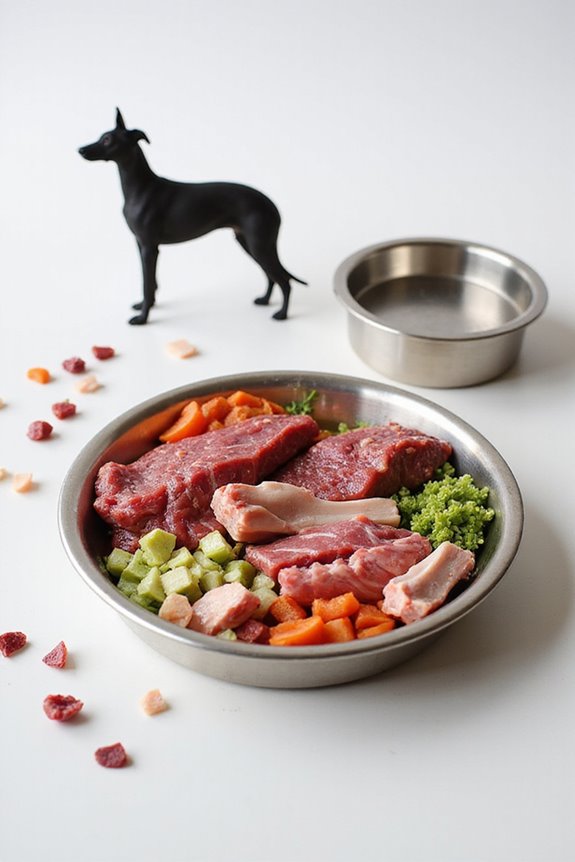
The BARF diet, meaning Biologically Appropriate Raw Food, provides sighthounds with nutrition that mimics their natural dietary habits. This diet typically consists of approximately 70% muscle meat, 10-15% raw edible bones, 10% organ meats, and 10% vegetables, seeds, and fruits. It promotes overall health, enhances energy levels, and supports dental health. Additionally, the incorporation of raw bones strengthens the diet by offering essential minerals. If you’d like, we can explore more about its benefits and practical feeding guidelines.
Key Takeaways
- The BARF diet (Biologically Appropriate Raw Food) mimics the natural diet of wild canines, emphasizing raw and species-appropriate nutrition for sighthounds.
- Key components include 70% muscle meat, 10-15% raw bones, 10% organ meats, and 10% vegetables, seeds, and fruit for a balanced nutrition profile.
- Raw bones in the diet provide essential calcium and phosphorus, promoting dental health and strong bones, while satisfying natural chewing instincts.
- Transitioning to a BARF diet should be gradual, with adult sighthounds requiring about 140-220 grams of meat daily, split into two meals.
- Dogs on the BARF diet often show improved energy, muscle strength, and skin condition compared to those fed commercial dog foods.
Understanding the BARF Diet Concept
Understanding the BARF diet concept is essential for those considering this nutritional approach for their sighthounds. BARF stands for Biologically Appropriate Raw Food, emphasizing species-appropriate, evolutionary nutrition. Introduced by Australian veterinarian Ian Billinghurst in 1993, this diet aims to replicate the natural, raw diets that wild canines would consume.
Core aspects of the BARF diet include:
- Raw Feeding: Focus on uncooked ingredients that dogs are biologically adapted to digest.
- Natural Ingredients: Emphasizes whole or nearly whole prey-like components, combining animal products with some plant matter.
- Nutritional Balance: Aims for a balanced intake of macronutrients, vitamins, and minerals, relying on natural food sources. Including high-quality ingredients in the BARF diet can enhance digestive health and overall well-being for sighthounds.
With this understanding, we can begin to explore how a BARF diet can benefit our sighthounds specifically.
Key Components of a BARF Diet
When we consider the essential elements of the BARF diet for our sighthounds, it becomes evident that each component plays a significant role in supporting their overall health and well-being. Key components include:
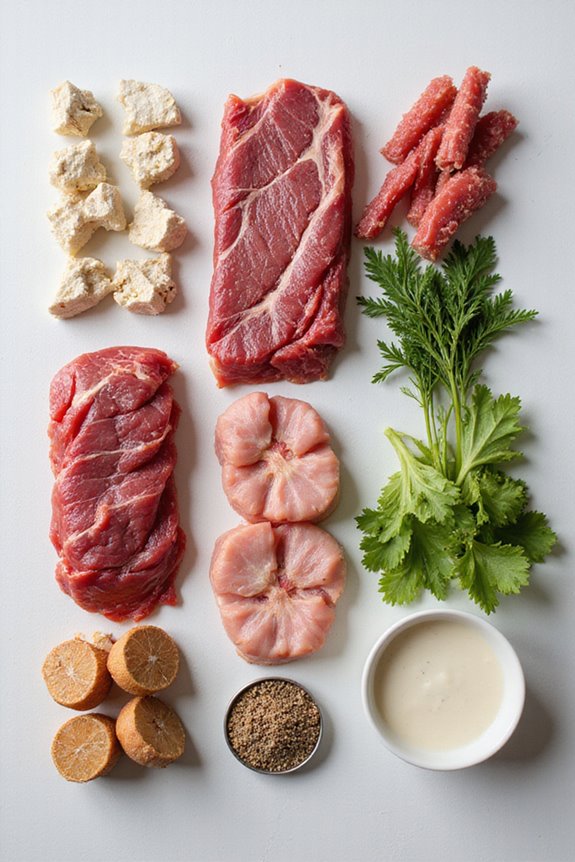
- Meat Selection: Muscles make up approximately 70% of the diet, providing essential proteins, amino acids, and energy through saturated fats. Cuts should include skeletal and cardiac muscle to mimic natural prey.
- Bone Preparation: Raw edible bones account for about 10-15% of the diet. They should be soft and raw to prevent harm, supplying critical calcium and phosphorus.
- Organ Meats and Vegetables: Organ meats comprise 10% of the diet, supplying important vitamins and minerals, while vegetables offer fiber and antioxidants, rounding out the nutritional profile. Additionally, incorporating probiotics for gut health can further enhance a sighthound’s digestion and overall well-being.
Together, these elements help our sighthounds thrive.
Nutritional Benefits for Sighthounds
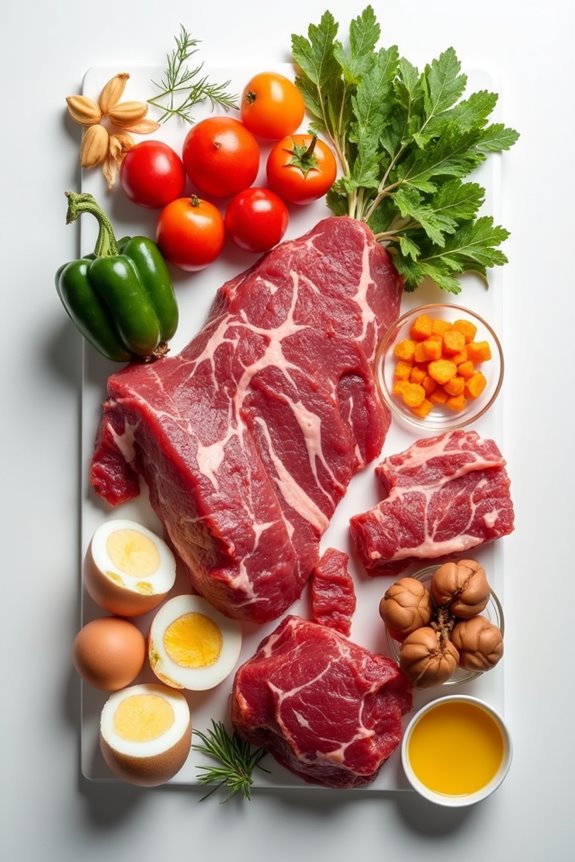
For sighthounds, the nutritional benefits of a BARF diet are remarkable, as it aligns closely with their evolutionary needs and promotes ideal health. Key aspects include:
- Enhanced Energy Levels: High protein content supports stronger muscles, leading to increased vigor and stamina. Many sighthounds report elevated energy when switching from kibble to BARF.
- Nutrient Absorption: Raw, meaty bones greatly improve nutrient absorption. This allows sighthounds to effectively utilize the vitamins and minerals in their diet.
- Skin and Coat Health: Higher fat levels contribute to healthier skin and shinier coats, while essential fatty acids support overall skin barrier function. Additionally, incorporating high-quality protein sources can further improve their overall health and vitality.
The Role of Raw Bones in the Diet
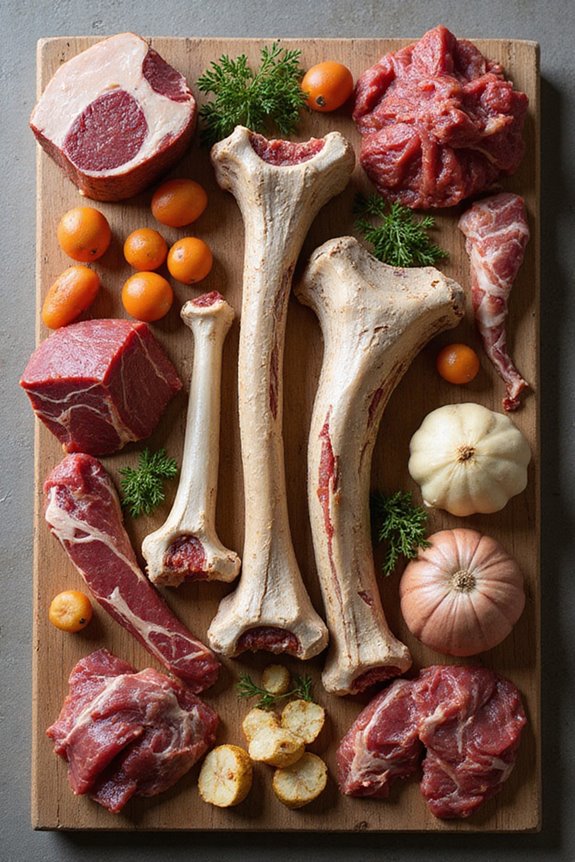
Raw bones play an essential role in the BARF diet for sighthounds, offering a multitude of benefits that align with their nutritional needs. Here are several key contributions of raw bones:
- Natural Calcium Source: Raw bones provide calcium and phosphorus in balanced ratios, vital for bone and teeth health.
- Dental Health: Chewing raw bones helps clean teeth, reducing plaque and bad breath while promoting oral hygiene.
- Nutritional Variety: Bone marrow supplies calorie-dense fats and fat-soluble vitamins A, D, and K, enhancing overall health.
- Joint Support: Cartilage offers glucosamine and chondroitin, aiding in joint lubrication and inflammation reduction.
- Exercise and Stimulation: Chewing engages muscles and satisfies natural instincts, supporting both physical and mental well-being. Additionally, incorporating raw bones complements limited ingredient diets by providing essential nutrients while minimizing allergen exposure.
Incorporating raw bones effectively enhances the digestion process and overall nutrition for our sighthounds.
Potential Risks and Safety Precautions

To mitigate zoonotic transmission, here are essential safety measures:
- Separate feeding areas from food prep zones to reduce cross-contamination.
- Disinfect feeding bowls and surfaces thoroughly after each meal.
- Supervise pets during feeding to avoid choking on bones.
- Negotiate balanced nutrition to prevent deficiencies or toxicities.
- Use safe food handling practices during freezing or thawing. Additionally, ensure that the diet contains joint health ingredients to support your sighthound’s overall well-being.
Customizing the Diet for Individual Sighthounds
When customizing a BARF diet for individual sighthounds, understanding their unique nutritional needs is essential for optimizing their health and performance. Here are key considerations for personalized nutrition:
- Metabolic Considerations: Each sighthound has specific caloric requirements influenced by age and activity level. Adjusting protein and fat ratios is critical to meet these needs.
- Ingredient Balance: Include muscle meat, organs, and bones, while modestly incorporating slow-digesting carbohydrates like oats for energy, especially for younger or older dogs.
- Portion Size: Typical daily intake is between 460g to 780g, divided into smaller, more frequent meals to maintain stable energy levels.
- Monitoring: Regularly assess weight and body condition to make necessary dietary adjustments, ensuring the sighthound remains lean and healthy. Incorporating high-calorie treats can also support weight gain in active sighthounds.
Historical Context of Raw Feeding
Exploring the historical context of raw feeding provides valuable insight into the evolution of canine diets over millennia.
- Early dogs, evolving from wolf-like ancestors, thrived on raw diets, consuming meats and animal parts, which aligns with their natural biology.
- Ancient cultures also influenced dog diets: the Greeks supplemented hunting dogs’ meals with grains and liver, while Chinese diets incorporated rice and pork.
- Despite the rise of commercial dog food in the 19th century, many cultures historically relied on scraps and raw foods, reflecting local practices and regional preferences.
- This shift towards processed diets led to health concerns, prompting renewed interest in raw feeding as a diet that aligns more closely with our dogs’ ancestral eating habits.
Understanding these historical influences helps us appreciate the value of raw feeding today.
Dental Health Benefits of BARF
Recognizing the historical context of raw feeding allows us to appreciate its numerous contemporary benefits, particularly regarding dental health. The BARF diet promotes excellent dental cleaning and gum health for our sighthounds through several mechanisms:
- Raw diets naturally reduce plaque and tartar buildup due to enzymes that inhibit bacteria.
- Chewing raw meaty bones provides abrasion that effectively cleans teeth while preserving enamel integrity.
- The absence of synthetic fillers and starches prevents tooth decay often linked to processed foods.
- Many owners report noticeable improvements in breath and overall oral hygiene after shifting to a BARF diet.
Incorporating these elements not only enhances our dogs’ dental health but also aligns with their evolutionary dietary needs, supporting their overall well-being.
Comparison With Commercial Dog Foods
Understanding the differences between BARF diets and commercial dog foods can greatly influence our choices as sighthound owners.
- Nutritional Comparison: BARF diets prioritize raw meat and organs, boasting higher protein and fat with lower carbohydrates. In contrast, commercial kibbles often contain 30-40% carbohydrates, which may compromise nutrient quality.
- Ingredient Transparency: BARF diets offer clearer ingredient sourcing, using whole, minimally processed foods. Commercial foods can mask low-quality protein and fillers on their labels, reducing trustworthiness.
Research shows dogs on BARF diets exhibit better health markers, such as improved skin and coat condition. In addition, the diverse textures of BARF can engage sighthounds’ natural chewing instincts, enhancing their enjoyment of meals compared to the uniformity found in many commercial brands.
Practical Feeding Guidelines for Sighthounds
When we shift to a BARF diet for our sighthounds, it’s crucial to adhere to specific feeding guidelines that guarantee their nutritional needs are met for ideal health. Here’s how to guarantee effective meal prep and feeding schedules:
- Diet Composition: About 70% muscle meat, 10% raw bones, 5% liver, and 5% other organs, supplemented with 10% vegetables, seeds, and fruit.
- Feeding Frequency: Adult sighthounds (30-40 kg) should receive 140-180 grams of meat, fed twice daily, while larger sighthounds may require 180-220 grams.
- Transitioning: Gradually shift from commercial foods to raw over six days to prevent digestive issues.
- Monitoring: Check stool consistency and adjust bone content as needed, while guaranteeing water availability at all times.
Frequently Asked Questions
Can I Transition My Sighthound to BARF Gradually?
Yes, we can definitely shift our sighthound to BARF gradually. By following some transition tips and making gradual changes, we’ll help avoid digestive issues and guarantee our dog adapts smoothly to the new diet.
How Often Should I Feed My Sighthound on the BARF Diet?
We can feed our sighthound once or twice daily, adjusting meal portions based on their needs. Keeping a consistent feeding frequency helps support digestion and overall health, ensuring our furry friend thrives on the BARF diet.
Is It Safe to Mix Raw and Commercial Dog Food?
We believe mixing raw and commercial dog food can pose raw food safety concerns and affect commercial food quality. Let’s consult a veterinarian to guarantee nutrition balances while minimizing health risks for our dogs.
What Should I Do if My Dog Refuses Raw Food?
If our dog refuses raw food, we can explore raw food alternatives while considering their dog food preferences. Gradually introducing new options or mixing them into existing meals might help make the change smoother for everyone.
Can the BARF Diet Cause Weight Gain in Sighthounds?
Yes, the BARF diet can cause weight gain in sighthounds if we don’t practice portion control. Effective weight management involves adjusting portions based on our dog’s activity level to maintain a healthy weight.