As an Amazon Associate, we earn from qualifying purchases. Some links on this site are affiliate links at no extra cost to you. Our recommendations are based on thorough research and editorial judgment.

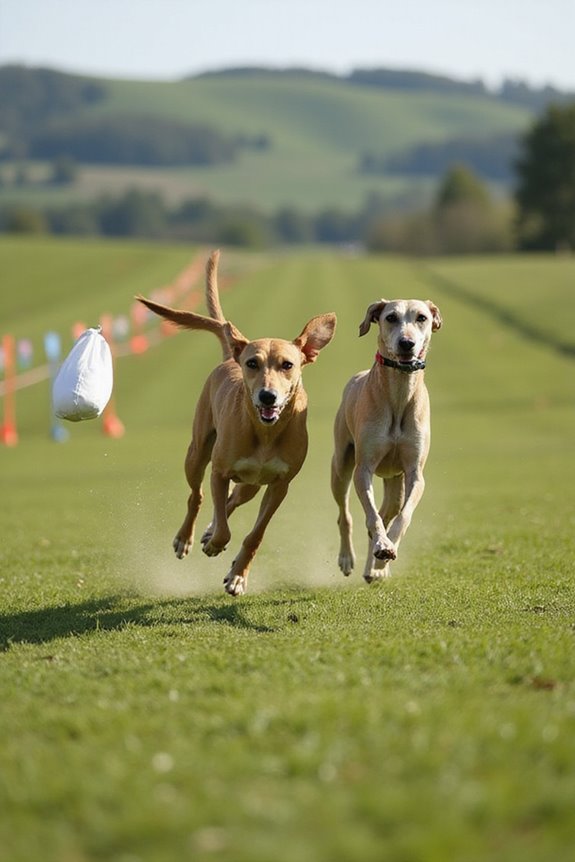
What Is Lure Coursing For Sighthounds?

Lure coursing is an exciting sport for sighthounds, where these dogs chase a mechanical lure along a predefined course. It emphasizes their natural prey drive and showcases their speed and agility. Typically, the course measures around 300 meters and utilizes 8 to 10 pulleys for smooth running. Dogs must be at least one year old to participate. This activity not only enhances fitness but also fosters socialization among dogs. Learning more about this sport reveals additional benefits and participation details.
Key Takeaways
- Lure coursing is a competitive sport where sighthounds chase a mechanical lure along a designated course, mimicking prey behavior.
- Popular breeds include Greyhounds, Salukis, and Whippets, emphasizing their natural instincts and agility.
- Events assess performance based on speed, agility, focus, and adherence to safety standards.
- Courses typically feature 300-meter lengths with pulleys, ensuring a smooth running experience for the dogs.
- Participation promotes physical fitness, mental stimulation, and reinforces hunting behaviors, supporting sighthound culture and heritage.
Definition and Purpose of Lure Coursing
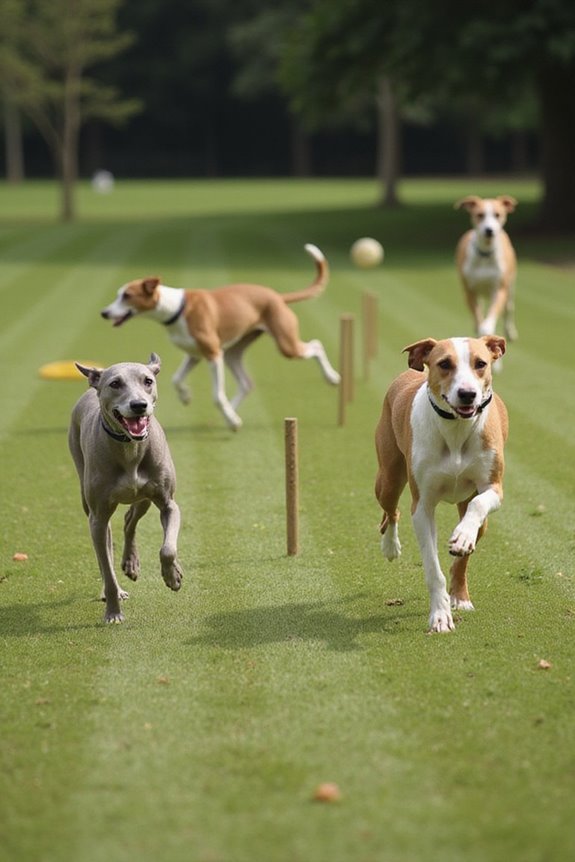
Lure coursing is an exciting sport designed specifically for sighthounds, where these remarkable dogs chase a mechanical lure that mimics prey movement. The primary purpose of lure coursing is to provide a safe outlet for sighthounds to exercise their natural instincts while engaging in a mock hunt, which promotes their physical and mental well-being.
Key elements include:
- Lure Mechanics: The lure, often a white plastic bag, is pulled across an open course, simulating the unpredictable movements of prey.
- Prey Simulation: Courses span five to seven acres, allowing dogs to run off-leash and showcase their speed, agility, and endurance without the risk associated with live prey. Additionally, having the right lightweight leashes can enhance the experience for owners walking their sighthounds to and from these events.
Dogs and Breeds Involved
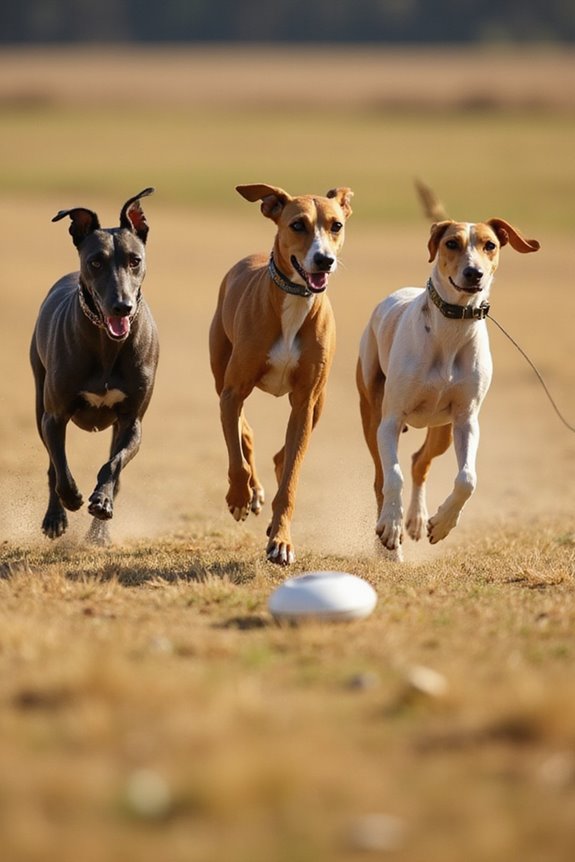
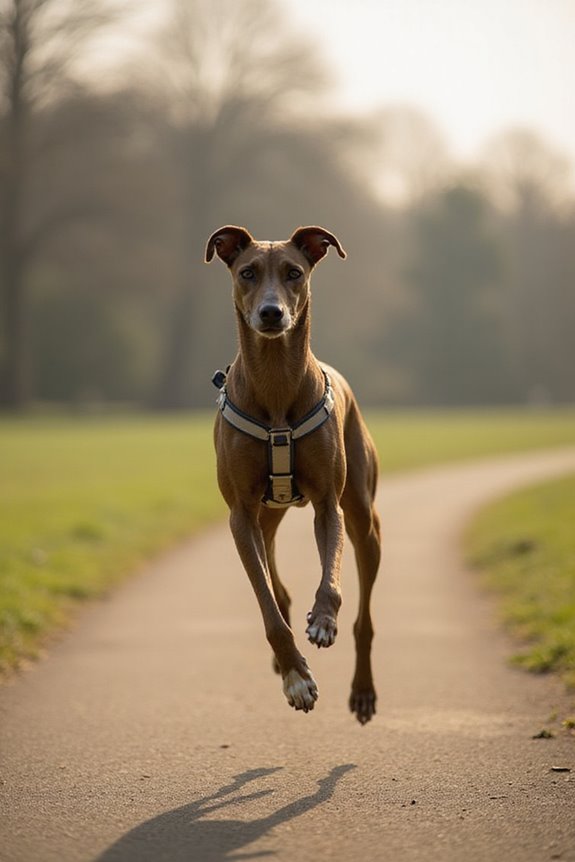
Sighthounds dominate the lure coursing arena, showcasing their unique abilities and fulfilling their instinctual drives. These breeds, including the Greyhound, Saluki, and Whippet, exhibit notable sighthound characteristics such as tall, lean bodies and impressive speed.
Key breeds involved in lure coursing include:
- Afghan Hound
- Borzoi
- Irish Wolfhound
- Pharaoh Hound
- Rhodesian Ridgeback
Additional breed diversity is seen with the Cirneco Dell’Etna and Portuguese Podengo Pequeno, both recognized by the AKC. While purebred sighthounds generally participate in official events, mixed breeds like lurchers may join informally. For healthy competition, dogs must be at least one year old, with eligibility criteria ensuring fair play and safety for all participants. This competitive environment provides not only excitement for spectators but also an opportunity for improving mobility and fitness among the participating dogs.
Judging and Scoring Systems

In the world of lure coursing, understanding the judging and scoring systems is crucial for both participants and spectators alike. The scoring criteria typically total a maximum of 50 points, divided into categories such as overall ability, follow, speed, agility, and endurance. Each category usually holds 10 points, with speed and agility often emphasized as key performance factors.
During the judging process, multiple judges (usually 2-5) assess competitors to guarantee fairness. Bonus points may be awarded for exceptional performances, while penalty points might arise from delays or infractions. This combination of subjective assessments allows judges to appreciate the unique qualities of each dog while maintaining a standardized approach tailored to their breed characteristics. Providing an environment with effective cooling technology can enhance a dog’s performance during the competition.
Course and Equipment Details
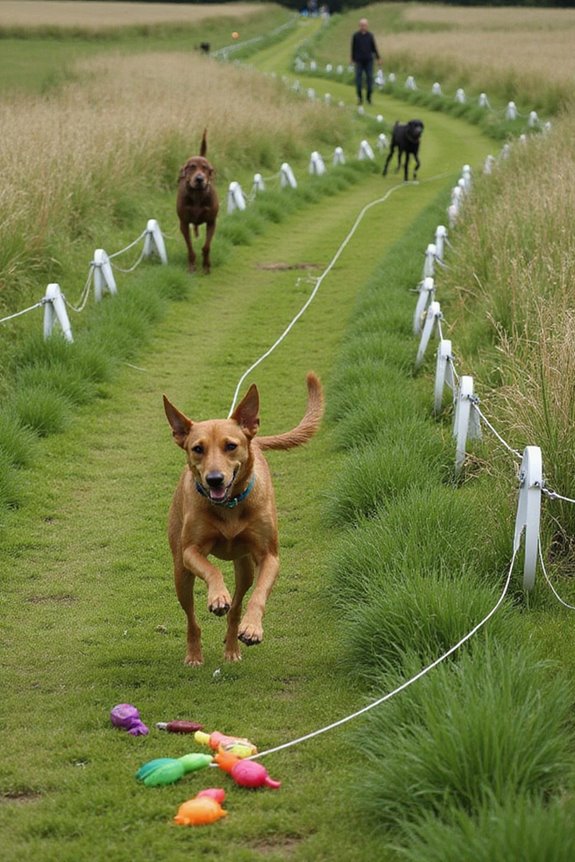
When we consider the intricacies of course design and equipment in lure coursing, it becomes evident how crucial these elements are for enhancing the racing experience for both dogs and spectators.
- Course Layout: Typically, a lure course uses 8 to 10 pulleys to guide the lure, with lengths around 300 meters. To guarantee smooth running, turns are designed with caution to avoid overly sharp angles.
- Lure Equipment: The lure, often a white plastic bag or smaller attached lures, imitates prey movement. It’s driven by a battery-powered motor, creating variable speeds and directions. Advanced systems may use tunnels or pipes to heighten the challenge for the dogs. These elements parallel the importance of a well-fitted 3-Point Anti-Escape harness to ensure optimal performance and safety.
These design choices foster safety and excitement, making each run an engaging experience.
Rules and Regulations
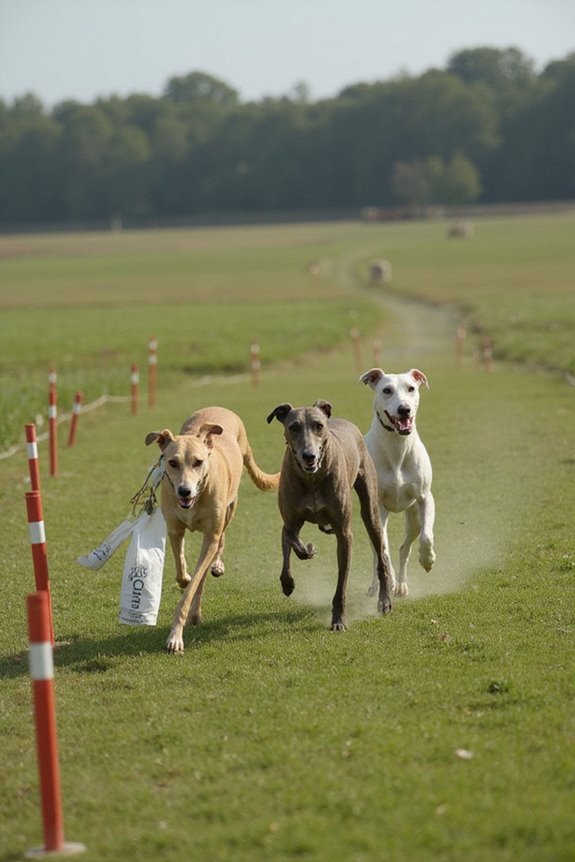
Understanding the rules and regulations governing lure coursing is essential for both participants and spectators alike, as it guarantees fair play and enhances the overall experience. Here’s a succinct breakdown of key points:
- Disqualification Criteria: Dogs may be disqualified for attempting to attack or interfere with others, escaping the course, or failing to follow the lure. Persistent disruption or touching the lure also leads to disqualification.
- Safety Concerns: A licensed veterinarian must be present, and equipment, like jackets, must meet specific standards to secure safety. Blinkers are not allowed to maintain unrestricted movement.
- Judging and Evaluation: Dogs are judged based on speed, agility, and enthusiasm, with possible bonus and penalty points affecting their scores. Proper training techniques in lure coursing can significantly enhance a dog’s performance and enjoyment during events.
Adhering to these rules guarantees a safe, fair, and enjoyable event for everyone involved.
Benefits of Lure Coursing
Lure coursing offers a multitude of benefits for participating dogs, making it a rewarding endeavor for both canines and their handlers. Here are some key advantages:
- Physical Health: It improves cardiovascular fitness, tones muscles, and increases stamina, helping maintain a healthy weight and athletic physique.
- Mental Stimulation: This sport stimulates your dog’s natural prey drive positively, promoting focus and reducing boredom through engaging activity.
- Socialization: Dogs can socialize with other animals, enhancing their obedience skills and encouraging structured interactions in competitive settings.
- Accessibility: Lure coursing serves as an exercise alternative for various breeds, accommodating different energy levels while requiring minimal equipment. Additionally, engaging in activities like lure coursing can promote dental health benefits through regular physical exercise, which contributes to overall well-being.
Training for Lure Coursing
Training for lure coursing is essential for guaranteeing a dog’s success and safety in this exhilarating sport. We should start training when our dogs are physically mature, usually between 11 to 15 months, to prevent unwanted chasing behaviors. Here are key aspects to take into account:
- Basic Obedience: Guaranteeing our dogs have basic obedience and socialization sets the foundation for effective training.
- Technique Introduction: Initially exposing them to the lure with controlled sessions helps foster interest and understanding.
- Safety Precautions: We must guarantee our training environment is safe, using open fields free from distractions.
- Progressive Training: Starting with straight runs, we can build complexity gradually while focusing on short, manageable sessions to maintain enthusiasm.
Implementing these training techniques promotes a positive experience for our dogs as they learn the art of lure coursing.
Participating in Lure Coursing Events
Participating in lure coursing events can be an exciting experience for both dogs and their handlers. Effective event preparation is essential, including understanding event rules and ensuring our dogs are fit for competition. Handlers must be aware of their responsibilities, such as keeping dogs under control at the starting line to avoid penalties for early releases.
During the event, dogs may run individually or in small packs, tracking a mechanical lure that simulates prey. Judges score based on various criteria, including speed and agility, so our dogs’ focus and behavior matter. Titles can be earned, recognizing performance in trials. Ultimately, these events not only showcase our dogs’ abilities but also help preserve their natural instincts as sighthounds.
Frequently Asked Questions
Can Non-Sighthound Breeds Participate in Lure Coursing Events?
Like a diverse garden where all flowers can bloom, we can see non-sighthound breeds partake in lure coursing events. Following lure coursing rules, mixed breed participation is welcomed, enriching the sport’s vibrant tapestry.
What Age Do Dogs Typically Start Lure Coursing?
Dogs typically start lure coursing training around one year old. This age helps guarantee their physical maturity for safe dog agility activities, minimizing injury risks while still allowing them to enjoy the sport’s excitement.
How Do I Find Lure Coursing Events Near Me?
Finding lure coursing events near us is like searching for hidden treasures; we can check local kennel clubs, browse online event calendars, and explore sighthound forums for registration details and upcoming lure coursing locations.
What Should I Bring for a Lure Coursing Event?
For a lure coursing event, we should bring essential lure equipment, participant requirements like registration and vaccination records, hydration supplies, shade, seating, first aid kits, and proper identification for our dogs. Safety’s our priority!
Are There Health Risks Associated With Lure Coursing?
Like dancing on a tightrope, lure coursing brings health risks. We must prioritize injury prevention and employ safety measures, ensuring our dogs are fit and monitored, ready to skip the dark side of this exhilarating sport.