As an Amazon Associate, we earn from qualifying purchases. Some links on this site are affiliate links at no extra cost to you. Our recommendations are based on thorough research and editorial judgment.

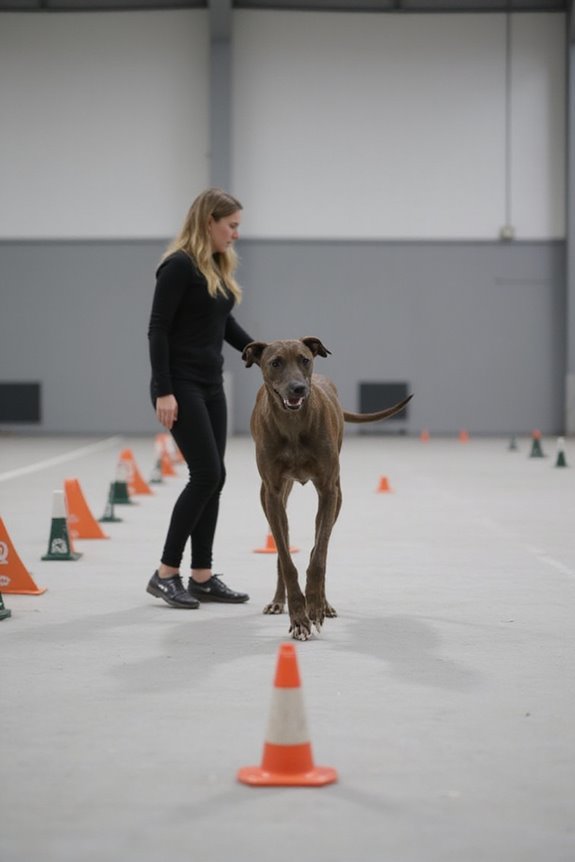
What Is Rally Obedience For Sighthounds?

Rally obedience is an engaging sport that blends traditional obedience with teamwork, specifically for sighthounds. In rally, dogs navigate a course marked by signs, performing tasks like sits, downs, and heel work. This activity enhances our bond with our dogs while promoting communication through verbal commands and body signals. Positive reinforcement is essential during training, ensuring both mental stimulation and physical exercise without overwhelming fatigue. For more insights, we can explore the unique benefits and approaches to training sighthounds in this discipline.
Key Takeaways
- Rally obedience is a structured dog sport combining traditional obedience with teamwork, tailored for sighthounds’ unique traits.
- It utilizes rally signs to instruct on specific exercises, enhancing communication between the handler and the dog.
- The sport fosters mental stimulation and physical activity, maintaining fitness levels without excessive fatigue for sighthounds.
- Positive reinforcement is vital in training sighthounds, addressing their sensitivity and independent nature effectively.
- Participating in rally obedience improves control in distracting environments, enhancing overall reliability and socialization skills.
Understanding Rally Obedience
Rally obedience is an engaging and structured dog sport that combines elements of traditional obedience with an emphasis on teamwork and communication between dog and handler. In this sport, we navigate a course marked by rally signs, each instructing specific skills or exercises. Handlers can give verbal commands, using handler cues to encourage our dogs throughout the course without penalty.
The course usually consists of 10 to 20 stations and requires tasks like sits, downs, and heel work. As our dogs perform, they’re expected to maintain close proximity, ensuring precision and attentiveness. Waterproof fabrics are often used in training gear to keep our dogs comfortable and dry during inclement weather. Rally obedience offers varying difficulty levels, allowing us to progress from Novice to Master/Choice, enhancing both our skills and our dogs’ motivation as we bond through training.
The Unique Traits of Sighthounds
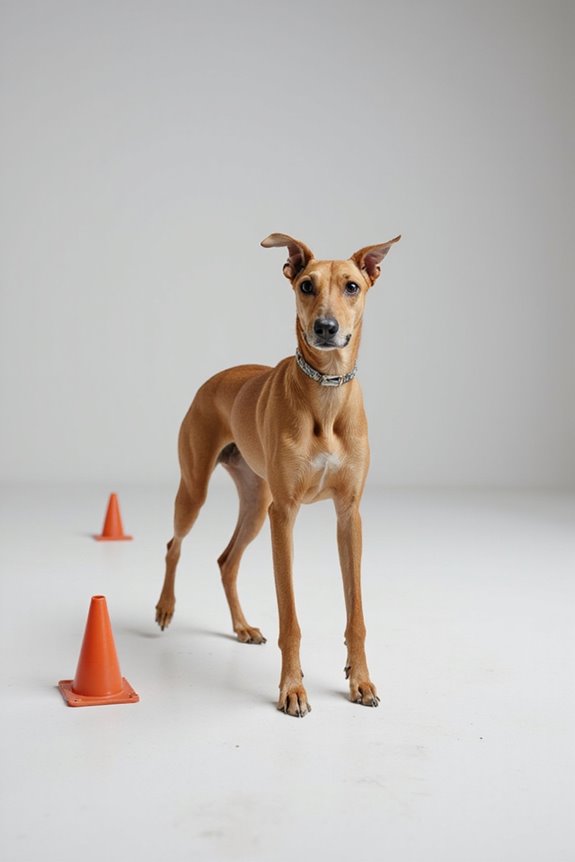
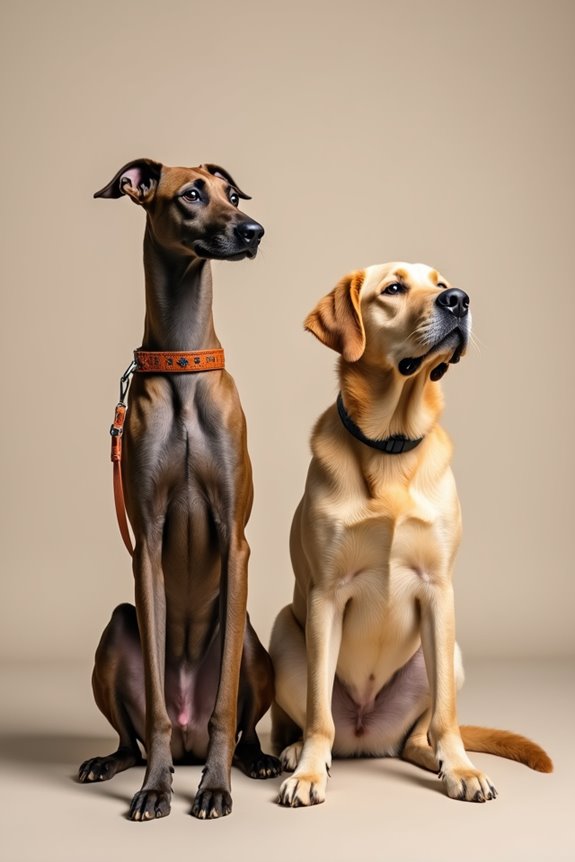
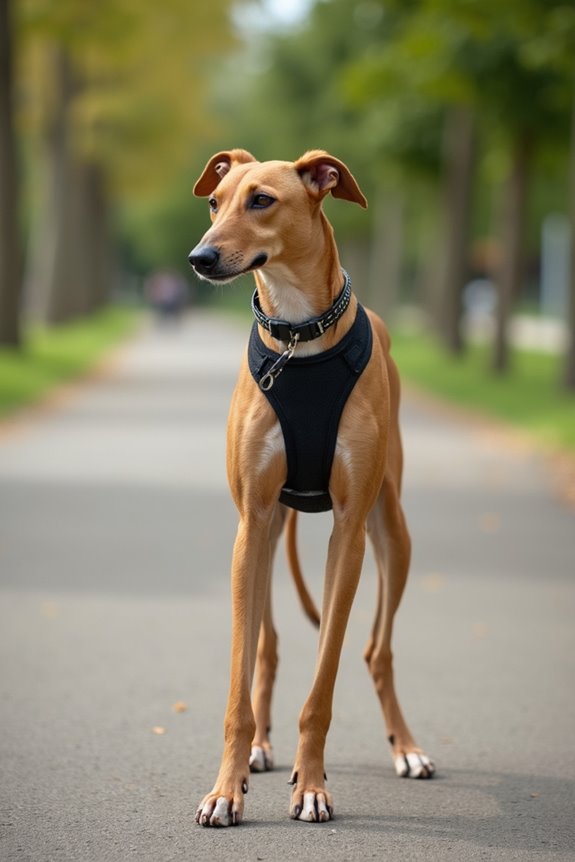
Sighthounds are remarkable animals, distinguished not only by their striking physical characteristics but also by their unique behavioral traits. Their lean musculature, visible hip bones, and slender, aerodynamic shapes enhance their speed and agility, enabling swift bursts during hunts.
- Historically bred for hunting adaptations, they utilize keen eyesight over scent, showcasing their specialized retinas for detecting prey movement.
- Some sighthounds demonstrate flexible social dynamics, exhibiting both pack and solo hunting behaviors.
- Their independent nature contributes to their decision-making while pursuing prey.
With a calm demeanor, they often require gentle training due to their sensitivity to criticism and stress. Understanding these traits is essential for effectively engaging with these loyal yet independent companions. To ensure their comfort, providing proper resting areas with comfortable floor cushions can be beneficial for their joint support and overall well-being.
Benefits of Rally Obedience for Sighthounds
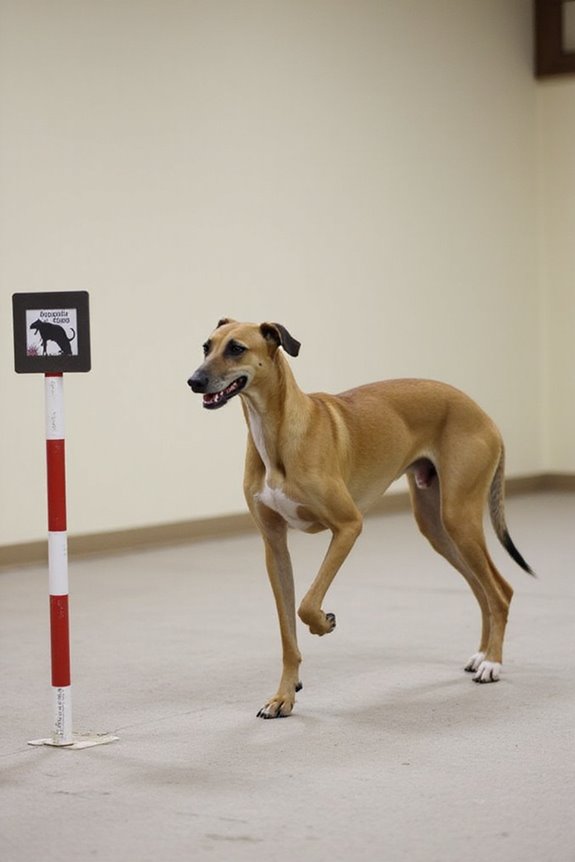
Engaging in rally obedience training offers numerous benefits specifically tailored to the unique needs of sighthounds. Here’s what we gain:
- Enhanced Dog-Handler Bonding: Rally strategies foster improved communication, enabling dogs to read our body language effectively. This deeper emotional connection translates into better obedience in daily life.
- Mental Stimulation and Challenge: The varied tasks in rally prevent boredom and destructive behaviors, keeping our sighthounds cognitively engaged.
- Improved Behavioral Control and Socialization: Regular practice enhances compliance in distracting environments, resulting in more manageable dogs during public outings.
- Physical Exercise with Less Stress: Rally provides moderate yet stimulating physical activity, maintaining our sighthounds’ fitness without the fatigue that longer exercises can cause.
- Accessibility and Inclusivity: The sport is designed to suit the unique temperament of sighthounds, making it inviting and rewarding for all.
- Enhanced Motivation Through positive reinforcement techniques ensures that sighthounds remain engaged and responsive during training sessions.
Training Techniques for Sighthound Teams
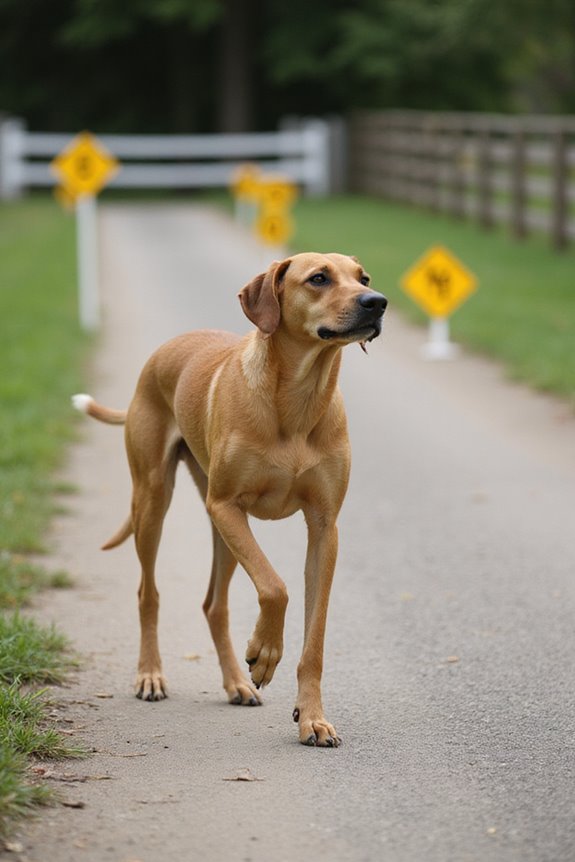
Effective training techniques are essential for optimizing the performance of our sighthound teams in rally obedience. We should focus on positive reinforcement as our primary training method, rewarding desired behaviors with treats, praise, or play to motivate our dogs. Utilizing marker training helps signal correct actions, enhancing their understanding of what earns rewards.
To improve focus and engagement, we need to teach our sighthounds to maintain attention on us, despite distractions. Implement short, frequent training sessions to keep their interest alive.
Additionally, recognizing their unique psychology and managing challenges like prey drive is critical. Gradually expose them to distractions, using high-value rewards tailored to their preferences, ensuring a balanced approach between structure and flexibility in our training methodologies. Choosing the right escape-proof harness can also play a significant role in ensuring they remain focused during training sessions.
Rally Course Elements for Sighthounds
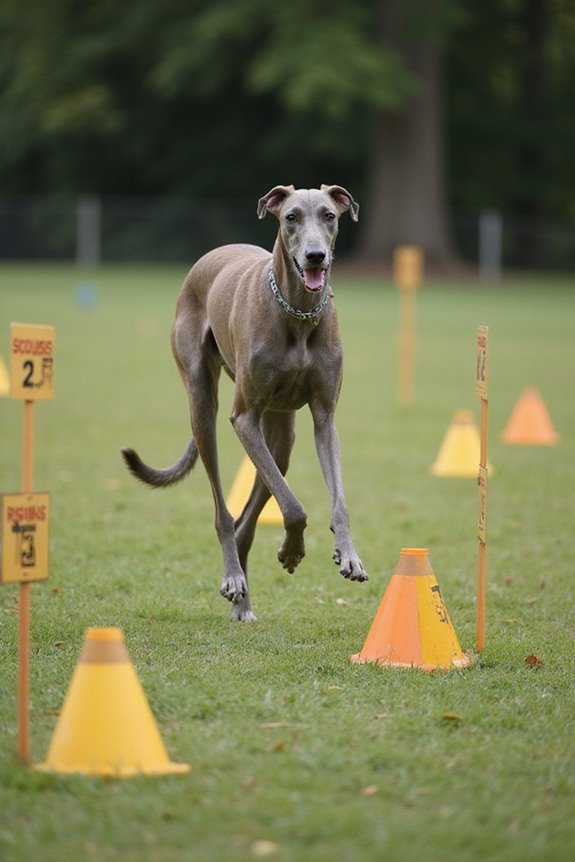
Rally courses for our sighthound teams present a unique opportunity to showcase these breeds’ athleticism and skills. Each course design typically includes 10-20 stations, emphasizing crucial commands like turns, sits, and downs.
- Stations involve heeling patterns, pivots, and sits in heel position, requiring fluid movement.
- Sighthound adaptations are crucial; their unique physical traits often necessitate tailored training for exercises like sitting, which may not feel natural for them.
- Precise communication cues from handlers guarantee successful navigation of the course, helping maintain focus amid distractions. Additionally, using proper collar designs, such as Martingale collars, can enhance control and comfort during training sessions.
Scoring and Competition Levels for Sighthounds
Understanding the scoring and competition levels in rally obedience is essential for sighthound enthusiasts looking to excel in this discipline. The scoring system generally starts at a maximum of 200 points, with deductions for mistakes like incorrect execution or leash errors. Here are some key details:
- Competition Levels:
- Typically range from levels 1-6 or Novice to Master.
- Early levels are usually performed on-leash, while higher levels require off-leash work.
- Scoring Nuances:
- Sighthounds’ unique movements may affect scores due to breed-specific challenges.
- Setting a strong foundation in high-quality protein content is crucial for improving overall performance in agility and obedience.
- Achieving qualifying scores under different judges is necessary for progression.
Handling Challenges Specific to Sighthounds
Handling challenges specific to sighthounds in rally obedience requires awareness of their unique characteristics and needs.
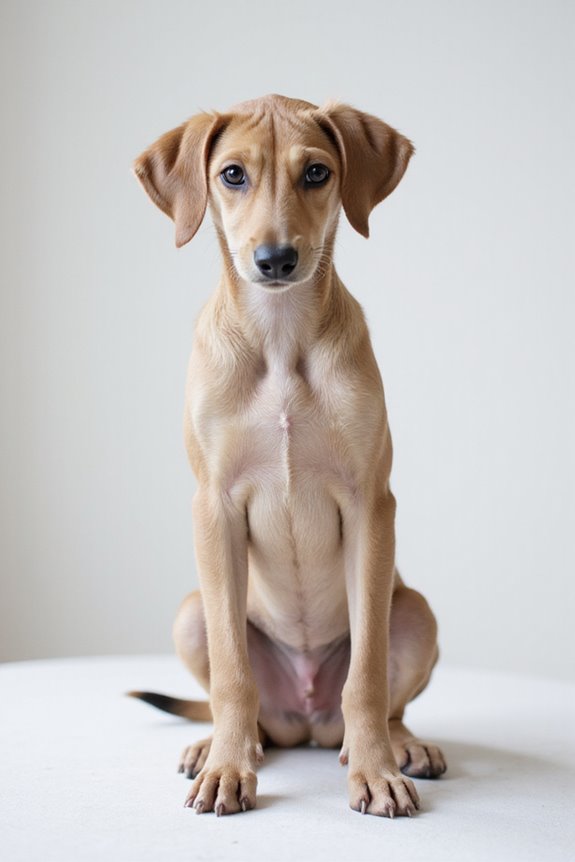
- Postural adjustments are imperative, as many sighthounds naturally prefer standing or lying down rather than sitting. They often need explicit teaching to assume a sit position.
- Their quick, fluid movements can conflict with the controlled motions typical in Rally, causing potential timing issues during sequences.
- Distraction management is essential, given their strong prey drive and acute sensitivity to external stimuli. Training should include desensitization to various distractions, which helps maintain focus during performances.
- Managing physical and mental fatigue is important; sighthounds can show signs of disengagement, so frequent breaks and varied training schedules can enhance their enthusiasm and precision.
Building Teamwork and Communication
Building teamwork and communication is essential for success in rally obedience, especially for sighthounds, who thrive on clear connection with their handlers. Effective cues, such as hand signals and verbal encouragement, guide us as we navigate through the course’s instructional signs. Maintaining connection guarantees our sighthounds are engaged and interacting dynamically, rather than mechanically executing commands.
To strengthen our partnership, we can employ engagement strategies that involve evaluating our dog’s readiness through eye contact and hand touches. Positive reinforcement during training fosters a relaxed atmosphere, enhancing our sighthounds’ motivation to participate. Each small victory builds confidence, while synchronized movements promote fluid performance. Together, these elements create a deeper bond and improve overall teamwork in rally obedience.
Preparing for a Rally Trial
Preparing for a rally trial requires diligent preparation and thorough knowledge of the trial’s requirements. As we initiate this journey, here are key aspects to reflect on:
- Eligibility: Dogs must be at least six months old, healthy, and well-behaved. Lameness or medical bandages can lead to disqualification.
- Trial Preparation: Familiarize your dog with the 10 to 20 stations that include specific exercises. The novice level features basic obedience actions like sits, downs, and weaving.
- Communication: Only voice commands and body signals are allowed; no physical prompting.
- Equipment: Use minimal tools that won’t interfere with performance, and avoid any that require physical correction.
Real-Life Applications of Rally Obedience for Sighthounds
Rally obedience serves as an invaluable tool for enhancing the everyday lives of sighthound owners, effectively translating the skills learned in the ring to real-world situations.
- It fosters clear communication through verbal cues and body language, helping our sighthounds become more responsive in real-world scenarios.
- This teamwork diminishes training challenges, ensuring our dogs can anticipate our signals even in busy environments.
- Basic obedience reinforced by rally training improves household manners and off-leash control, enhancing safety during outings.
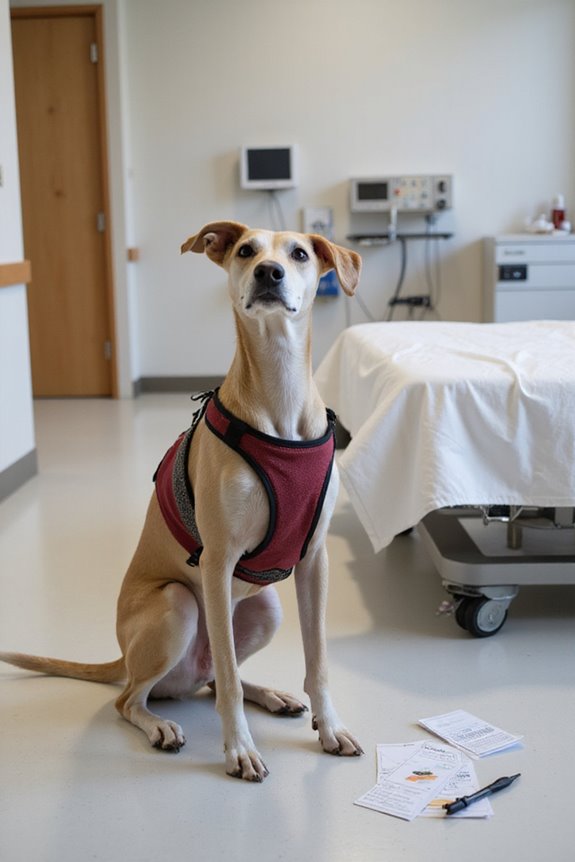
- Well-trained sighthounds interact better at veterinary visits or dog-friendly events, thanks to increased reliability in recall.
- Engaging in rally activities enriches our dogs mentally and physically, preventing boredom and destructive behaviors.
Through these applications, we create a harmonious connection with our sighthounds, facilitating a balanced lifestyle.
Frequently Asked Questions
Can All Sighthounds Participate in Rally Obedience?
Yes, all sighthounds can participate in rally obedience. By applying effective training techniques and adjusting to their unique traits, we can help them thrive in rally sports, showcasing their natural agility and speed.
How Do Sighthounds’ Instincts Affect Rally Performance?
Sighthound instincts can create rally challenges, often diverting their attention to visual stimuli. By understanding their natural behaviors, we can adapt our training to enhance focus and improve their overall performance in rally situations.
What Age Should a Sighthound Start Rally Training?
We’d say a sighthound can start rally training as early as eight weeks, building that puppy readiness with a solid training foundation. Patience and positive reinforcement are essential, making it fun while they grow and learn!
Are There Any Breed-Specific Challenges in Rally Obedience?
Absolutely, we face breed-specific challenges in rally obedience. Sighthounds’ unique temperament often affects their rally techniques, particularly with tasks that require precision, focus, and quick responses. Adapting training is essential for addressing these traits effectively.
How to Keep Sighthounds Motivated During Training Sessions?
Did you know sighthounds thrive on quick bursts of activity? To keep them motivated, we should use engaging reward strategies and dynamic engagement techniques, alternating play and treats to maintain their excitement throughout training sessions.