As an Amazon Associate, we earn from qualifying purchases. Some links on this site are affiliate links at no extra cost to you. Our recommendations are based on thorough research and editorial judgment.

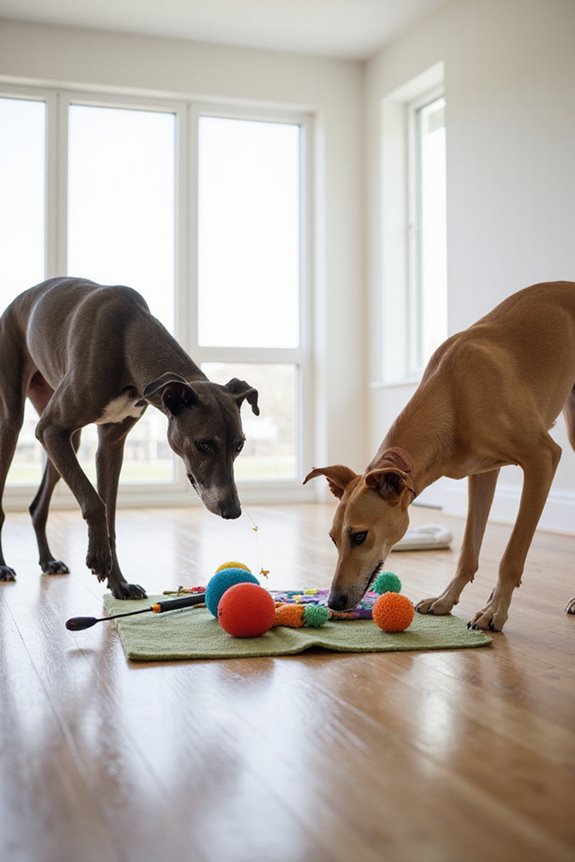
How Can I Provide Mental Stimulation For Sighthounds?

To provide mental stimulation for sighthounds, we can engage in several enriching activities:
- Engaging in Play: Incorporate tug games and lure coursing to mimic prey behavior.
- Puzzle Toys: Offer various puzzles to challenge their minds and increase confidence.
- Scent Games: Introduce scent recognition with essential oils, progressively increasing difficulty.
- Varied Environments: Change walking routes to expose them to new sights and smells.
- Training: Regularly teach new tricks and reward focus.
Each method enhances their mental agility, and we’ll explore more effective strategies shortly.
Key Takeaways
- Engage in play and chase activities like tug games and lure coursing to satisfy their predatory drive and provide physical exercise.
- Utilize puzzle and interactive toys with varying difficulty levels to challenge their problem-solving skills and encourage independent play.
- Explore scent and find games using essential oils, starting with simple hides to build their scent discrimination and confidence over time.
- Change environments and walking routes to offer diverse stimuli, enhancing their problem-solving and observational skills while enjoying new experiences.
- Incorporate training and teach new tricks using positive reinforcement, improving their focus, communication, and preventing boredom through structured practice.
Engaging in Play and Chase Activities
How can we effectively engage sighthounds in play and chase activities that cater to their natural instincts? To stimulate these dogs, we can incorporate two key activities: tug play and lure coursing.
- Tug Play: Utilize movement to mimic prey behavior, incorporating flicks and sudden stops to maintain interest. The “two-tug game” alternates toys, reinforcing their chase drive. Adding a “watch” cue enhances anticipation, essential for their predatory focus.
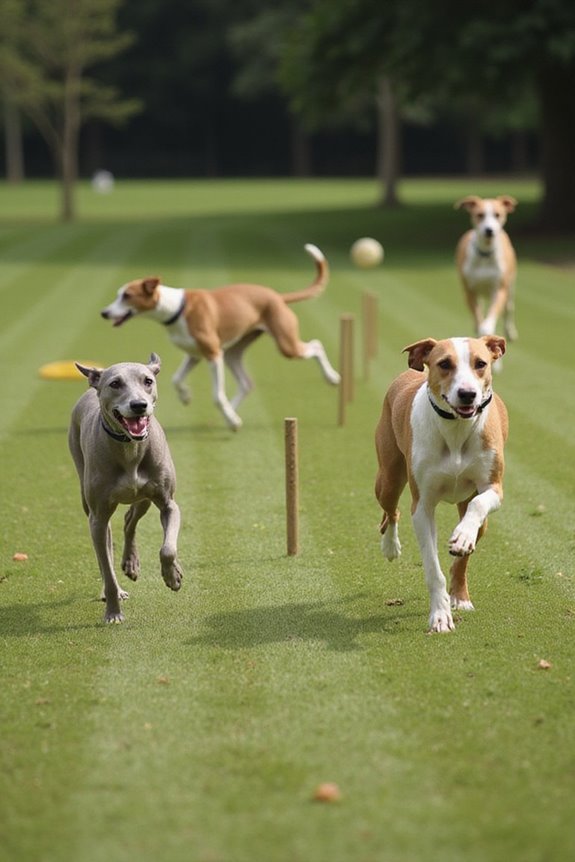
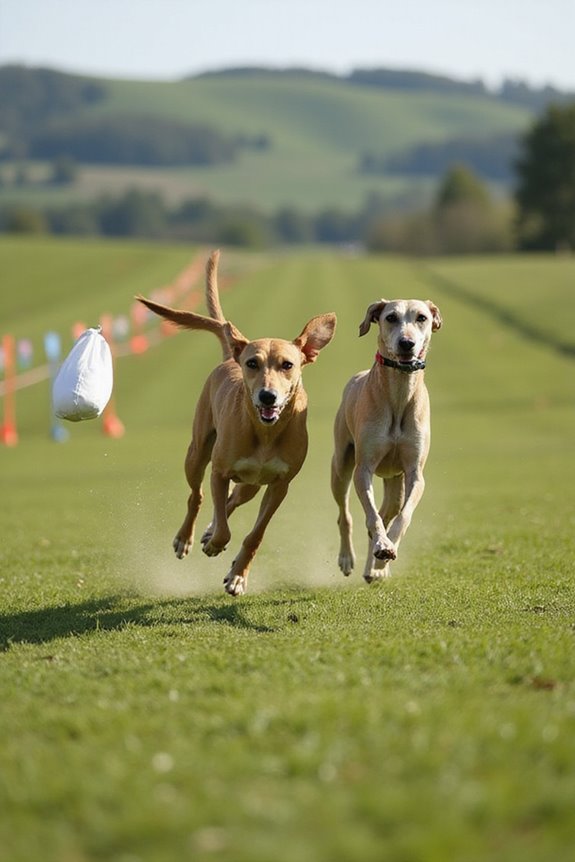
- Lure Coursing: This sport uses a lure to simulate prey’s unpredictable path. It fulfills their need for visual tracking, promoting mental and physical stimulation. Competitive levels, from Junior to Field Champion, guarantee structured engagement. Additionally, incorporating structured activities can further enhance the mental stimulation and physical health of your sighthound.
Recommended Products

KEEPS YOUR DOG ACTIVE & MENTALLY STIMULATED: Give your dog something fun and exciting to focus on with this outdoor tug toy. It helps burn off energy, reduces boredom, and can even improve behavior by satisfying their natural tugging instincts. Great for playtime, exercise, and mental enrichment.

FREE YOUR HANDS: Say goodbye to tangled leashes and tired arms. Our reinforced dog tug of war toy with a sturdy anchor base lets your dog play independently—tugging, pulling, and chewing with full freedom. The weighted base grips firmly to grass, concrete, or tile, providing stable resistance that turns every tug into a full-body workout. This dynamic play helps burn off excess energy, reducing destructive behaviors at home

STRONG & TOUGH - Worlds “Tuffest” Soft Dog Toy Durable, squeaky toy for dogs of all sizes
Utilizing Puzzle and Interactive Toys
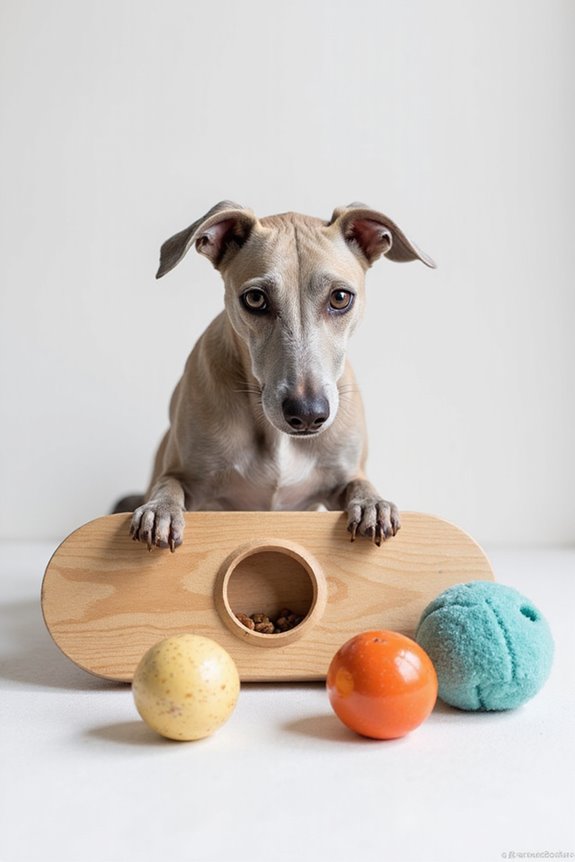
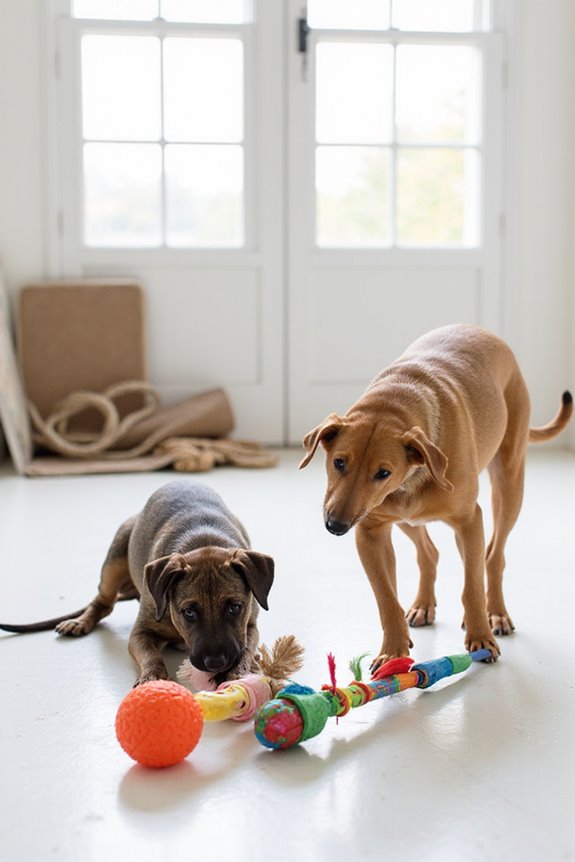
Engaging sighthounds in stimulating activities doesn’t end with play and chase. Utilizing puzzle and interactive toys is crucial for their mental well-being. These toys come in various difficulty levels, from the easy Outward Hound Hide N’ Slide to the challenging Casino Puzzle, catering to diverse abilities.
- Puzzle Variety: Options include snuffle mats, plush puzzles, and rolling balls. Each engages dogs differently, utilizing their natural problem-solving skills.
- Toy Customization: Many toys allow adjustment, like changing bottle heights for difficulty. This adaptation is beneficial for keeping sighthounds challenged and interested.
Using these toys promotes independence and builds confidence while turning feeding time into an engaging activity. Frequent play sessions guarantee ongoing mental stimulation, essential for a happy and healthy sighthound. Additionally, providing cooling mats for sighthounds can help maintain their physical comfort during play, ensuring they stay relaxed and motivated.
Recommended Products

A Long-Term Puzzle That Grows With Your Dog Most dog toys are solved, ignored, or destroyed too quickly. KADTC Pro Max is built as a long-term enrichment system, giving smart dogs a challenge they can return to again and again as their confidence, memory, and problem-solving skills improve.

Beginner-to-Expert Growth:Start with easy wins, then raise the difficulty as skills improve.One board stays rewarding from first discovery to advanced problem-solving.

XL BOARD, MORE ROOM TO SOLVE - The extra-large play area gives small, medium, and large dogs more space to sniff,nudge, slide, and search.
Exploring Scent and Find Games

Scent and find games offer a unique and effective way to stimulate the minds of sighthounds. To start, we can introduce scent recognition using essential oils on cotton swabs. By holding the scented item and rewarding our dogs when they show interest, we reinforce the connection between scent and reward.
- Begin with simple hides, like treats or scented objects in boxes.
- Gradually increase difficulty by moving hides to complex environments.
We should incorporate a variety of scent carriers to enhance scent discrimination skills. Keeping training sessions short will maintain interest, while high-value treats at the scent source solidify the learning. Ultimately, these games build confidence, reduce boredom, and tap into our sighthounds’ natural abilities, ensuring engaging, stimulating experiences. Implementing tools like martingale leads can also provide better control during outdoor scent work, making the experience safer and more enjoyable for both dog and owner.
Recommended Products

Includes: One Super Pro LAUNCHER, Two 6" Dummy, One Green Power Load, One Yellow Power Load, One Red Power Load, Free Whistle

SUPER-PRO DUMMY LAUNCHER - This Dummy Launcher Kit is designed to elevate your hunting dog's training with lifelike scenarios; Equipped with a durable White Cordura Nylon Launcher Dummy, this dog training tool uses .22 caliber blank power loads to propel a retrieving dummy, simulating the sound of a "BANG" and the sight of a bird in the sky; Powerloads are sold separately; Use only D.T. Systems Powerloads
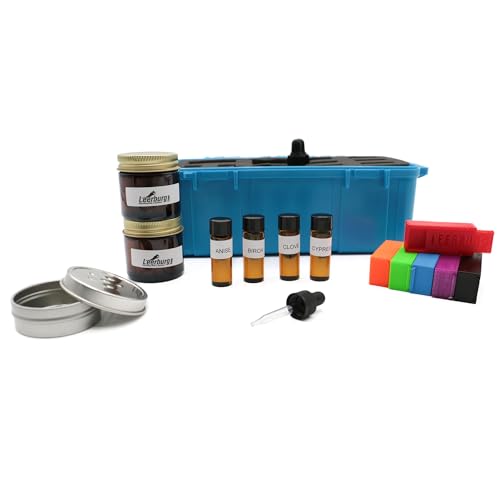
Complete Scent Training Kit: This comprehensive AKC scent work starter kit includes everything needed to begin your dog's scent detection journey, featuring four essential scent oils (Anise, Birch, Clove, and Cypress) in convenient dram bottles, along with cotton swabs for safe scent application
Changing Environments and Walking Routes

Changing walking routes can greatly enhance the mental stimulation of our sighthounds, providing them with new experiences that pique their curiosity and engage their senses. Here are some key benefits of exploring different environments:
- Sensory Experiences: Diverse settings like woods, beaches, and fields offer varied sights, sounds, and smells.
- Engagement: New terrains encourage problem-solving and heightened attentiveness, keeping our dogs mentally active.
- Natural Elements: Different textures underfoot, such as grass and sand, stimulate tactile perception.
- Wildlife and Sounds: Observing wildlife and hearing birdsong or rustling leaves maintain focus and awareness.
- Controlled Exploration: Off-leash opportunities in secure areas let our sighthounds express their natural instincts while stimulating their minds. Moreover, ensuring their comfort with breathable materials in dog boots can enhance their outdoor experience.
Recommended Products

2 x Breathable synthetic rubber shoes for dogs of all sizes.

【Supportive Dog Boots for Foot Conditions】Specially designed dog boot provide extra support and stability for dogs with foot conditions such as dropped foot or arthritis, offering effective protective joint relief for dogs with injuries and neurological issues like spinal cord trauma and IVDD.
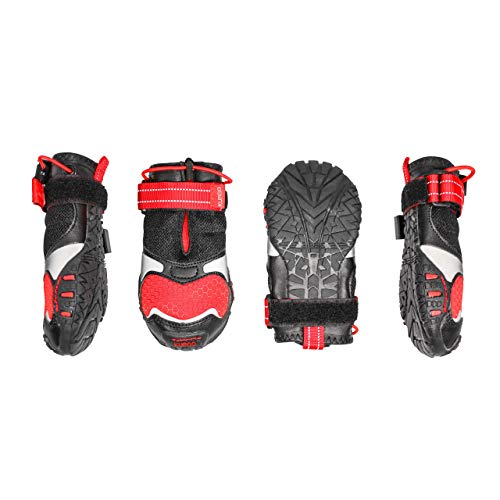
Built for Rugged Adventures: The Kurgo Blaze Dog Boots protect your dog’s paws from harsh elements using all-season dog boots with a durable sole that grips tough terrain
Incorporating Training and New Tricks

For those of us who own sighthounds, incorporating training and teaching new tricks can markedly amplify their mental stimulation. We can establish a strong foundation with early and consistent training focused on obedience skills like “sit” and “stay.” Utilizing reward systems like food treats and praise enhances their learning and motivation.
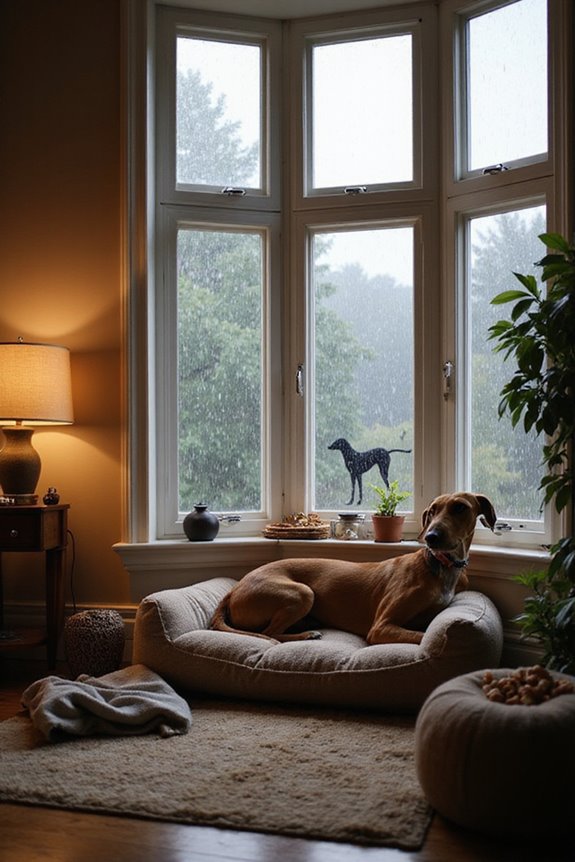
Engaging in focus exercises, such as teaching eye contact or playing “hot and cold” games, fosters better communication. Additionally, we can introduce puzzles to challenge their problem-solving abilities, keeping their minds sharp. Regularly rotating training activities guarantees variety and interest, preventing boredom. Ultimately, structured, brief sessions integrate seamlessly into our daily routines, creating a harmonious blend of physical and mental engagement for our sighthounds. Furthermore, having a comfortable resting place, like a luxury bed with integrated storage options, can help them relax after training sessions and enhance their overall well-being.
Recommended Products

BEGINNER-TO-EXPERT FUN - Four progressive stages evolve as your pup learns, keeping every victory fresh long after day one.

HOW THE REWARD HUNT WORKS Fill the center. Your dog presses the clear top, moves kibble through the middle track with nose or paws, then flips the outer lids. Three connected actions make every reward feel earned.

EXTRA-LARGE DOG PUZZLE CUBE - Built with a 14.69 in oversized cube body, this dog puzzle toy gives small, medium, and large dogs more room to sniff, paw, slide, pull, and solve.
Frequently Asked Questions
How Much Mental Stimulation Do Sighthounds Require Daily?
Sighthounds typically require about 20 minutes of daily mental stimulation. We should consider stimulation factors like their energy level and age to tailor activities that engage their minds and prevent boredom effectively.
Are There Specific Toys Sighthounds Prefer Over Others?
Picture our sighthounds leaping, tails wagging—interactive toys and puzzle games ignite their playful spirits. They adore treat-dispensing puzzles and plush toys, keeping them engaged and mentally stimulated while satisfying their natural prey drives.
Can Sighthounds Adapt to New Activities Quickly?
Yes, sighthounds can adapt quickly! By using effective training techniques and attentive behavior observations, we can engage them in activities that align with their instincts, ensuring they learn new tasks with enthusiasm and speed.
How Do I Gauge My Sighthound’s Engagement Level During Play?
When playtime’s a dance, we can gauge our sighthound’s engagement level through keen observation: watch their play behavior, excitement in their movements, and responsiveness to our cues—these engagement techniques reveal their joy and curiosity beautifully.
What Signs Indicate My Sighthound Is Bored or Under-Stimulated?
Our sighthound shows boredom signs through behavioral cues like excessive chewing, restlessness, and vocalizations. If they’re pacing, barking, or losing interest in play, it’s time we engage them more meaningfully to reduce their frustration.