As an Amazon Associate, we earn from qualifying purchases. Some links on this site are affiliate links at no extra cost to you. Our recommendations are based on thorough research and editorial judgment.

What Is The Best Exercise Routine For A Whippet? Problems

To establish the best exercise routine for a Whippet, we must consider their age and energy levels. Here’s a concise breakdown:
- Puppies (0-6 months): Focus on short, frequent bursts of light activity to protect their developing bones.
- Young adults (6 months – 2 years): Aim for 1-2 hours of varied activities daily, emphasizing speed.
- Adults (2-7 years): Provide about 1 hour of exercise, including walks and off-leash runs.
- Seniors (7+ years): guarantee 30-60 minutes of gentle activity to maintain mobility.
Understanding specific needs helps prevent injury and behavioral issues. Discovering further insights on managing exercise will enhance your Whippet’s wellbeing.
Key Takeaways
- A balanced exercise routine for Whippets should include 1-2 hours of daily activity, suitable for their age and energy levels.
- Incorporate various activities like lure coursing, agility trials, and secure off-leash runs to meet physical and mental stimulation needs.
- Monitor puppies to avoid over-exercising, which can lead to joint damage and overheating; ensure adequate rest periods.
- Signs of insufficient exercise include destructiveness, restlessness, and weight gain, indicating a need for more physical activity.
- Structuring routines with training and exercise fosters better behavior and provides essential mental engagement for Whippets.
Understanding Whippet Exercise Needs by Age
Understanding the exercise needs of Whippets throughout their life stages is essential for their well-being. Their exercise requirements change notably from puppyhood to seniority.
- Puppies (0-6 Months): Need frequent, short bursts of activity due to high whippet energy levels; avoid strenuous exercise to protect developing bones.
- Young Whippets (6 Months to 2 Years): Require 1 to 2 hours of daily activity; gradually increase intensity as they mature, emphasizing speed to release their natural instincts.
- Adults (2-7 Years): Demand about 1 hour of exercise daily, including walks and secure off-leash runs for fitness maintenance.
- Seniors (7+ Years): Require 30-60 minutes of gentler, lower-impact activities to preserve mobility while monitoring health concerns. Additionally, regular vet check-ups help ensure that their exercise regime aligns with their health needs over time.
Tailoring exercise frequency to each age group promotes overall health and well-being.
Types of Recommended Activities
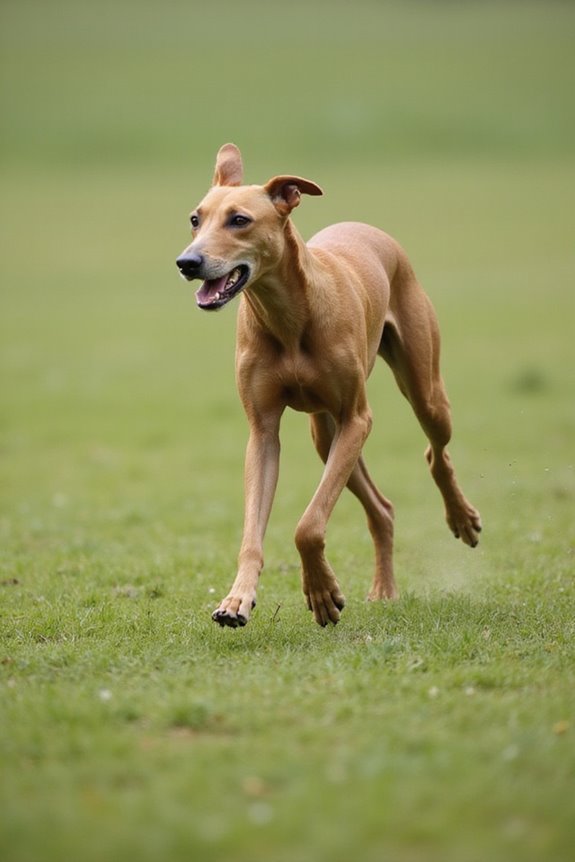
For active whippets, a variety of exercise activities can meet their unique physical and mental needs. Here are some recommended options:
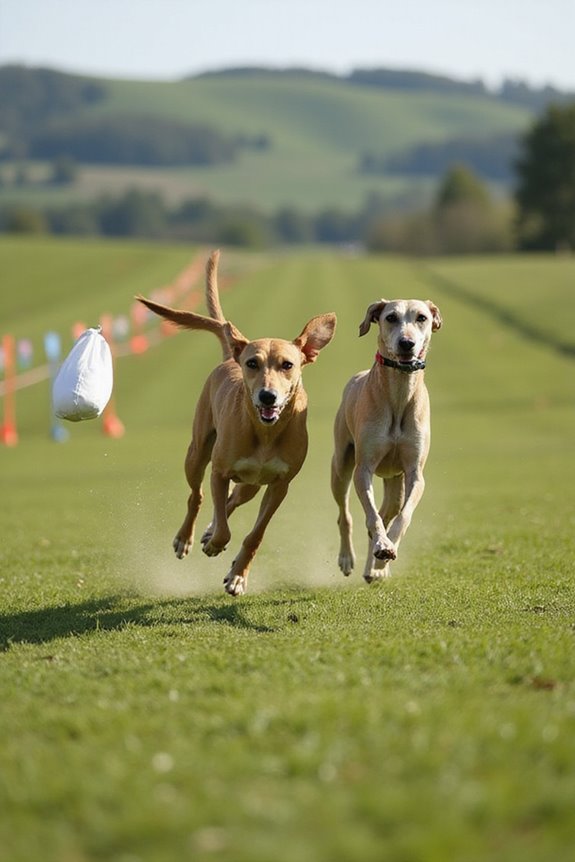
- Lure Coursing: This sport mirrors the chase of prey and suits whippets’ natural instincts. It provides intense bursts of exercise, enhancing muscle tone and cardiovascular health.
- Agility Trials: Whippets excel in agility, combining speed with controlled movements. These trials develop coordination and responsiveness, essential traits for the breed.
- Racing Events: Whether competitive or recreational, racing activities, like the CKC Sprinter, showcase their speed and stamina while fostering social interactions.
- Flyball and Dock Diving: These engage whippets’ retrieving skills and adaptability, ensuring a diverse exercise routine.
Incorporating these activities can remarkably enhance our dogs’ fitness and well-being. Regular exercise is particularly critical, as whippets have specific exercise needs that must be met to prevent behavioral issues.
Recommended Products

UNLEASH YOUR DOG'S POTENTIAL: Transform your backyard into a canine adventure wonderland with our Better Sporting Dogs Practice A-Frame. We've redefined backyard agility with a 42" long and 25" wide. When placed at a 45 degree angle, the height is 29 inches high

UNLEASH YOUR DOG'S POTENTIAL: Transform your backyard into a canine adventure wonderland with our Better Sporting Dogs agility equipment. We've redefined backyard agility with our 16' long PVC tunnel with 2 sandbags one set of sandbags for each end of the tunnel. *Sand not included

UNLEASH YOUR DOG'S POTENTIAL: Transform your backyard into a canine adventure wonderland with our Better Sporting Dogs agility equipment. We've redefined backyard agility with (2) 10' long tunnel, a patented 24" diameter breakaway tire dog jump, (2) displacement style bar jumps with height markers, 6 fixed base weave poles, a pause box, and carrying cases for each gear
Balancing Exercise and Mental Stimulation
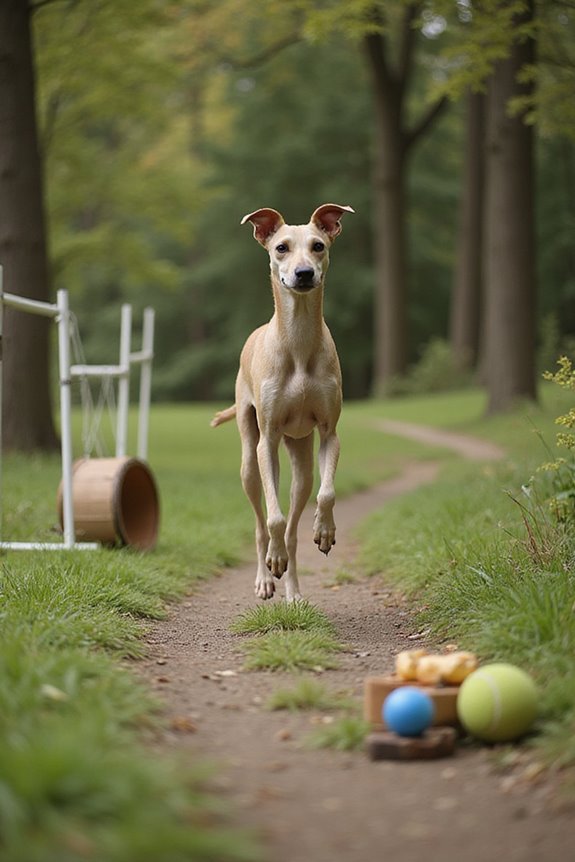
Balancing exercise with mental stimulation is essential for the well-being of a whippet. To achieve this exercise balance, we should allocate 10–15 minutes daily for focused mental activities. Engaging our whippets with puzzle toys, scent games, and command training helps enhance their mental agility.
We can combine physical exercise with training sessions to maximize benefits, using positive reinforcement to motivate them. Incorporating skill development exercises not only challenges their cognitive functions but also strengthens our bond. Additionally, integrating antioxidant-rich ingredients into their diet supports overall health and vitality, benefiting both physical and mental aspects.
It’s important to include interactive games like hide-and-seek to boost their mental stimulation further. Finally, allowing safe, off-lead activities in enclosed spaces helps satisfy their prey instincts while providing ample opportunities for mental engagement.
Signs of Insufficient Exercise

Whippets, like all dogs, require regular exercise to maintain their physical and mental health. Recognizing signs of insufficient exercise is vital for ensuring their well-being. Here are some indicators to monitor:
- Increased destructiveness: Chewing furniture or scratching doors shows pent-up energy.
- Restlessness or hyperactivity: These behaviors often point to a need for more activity.
- Heightened anxiety: A lack of exercise can manifest as nervous behaviors.
- Physical signs: Weight gain and fatigue may indicate inadequate physical activity.
Conducting a behavior assessment, along with regular exercise demonstrations, can help us evaluate our Whippet’s needs. By observing these signs early, we can address exercise deficits and promote a healthier lifestyle for our furry companions. Additionally, ensuring a balanced diet with high-quality protein is essential for maintaining their energy levels and overall health during exercise.
Recommended Products

Always Fresh & Fun with Replaceable Shell and Rope: Swap out the shell or rope anytime to change colors or replace worn parts—no need to buy a whole new toy when accessories wear out. Unlike competitors requiring full replacement, this dog ball toy lets you refresh the dog toy with affordable accessories, reducing long-term costs. Keep playtime exciting as your pet enjoys a "new" interactive dog toy every time, matching both wear and style preferences for endless engagement.

VETERINARY APPROVED-INVENTED BY DR. PAUL WILLIAMS: Developed with American innovation and experience SurgiSnuggly products are the choice among veterinarians and pet owners because they provide consistent practical, safe, and effective solutions for pets.

Sized for Intermediate Breeds: Measures 36 x 23 inches; great fit for medium to large dog breeds between 41-70 lbs, including Beagles, Whippets, and Corgis
Risks of Over-Exercising Puppies
While physical activity is essential for the development of puppies, it’s crucial to recognize the risks associated with over-exercising them. Here are some key considerations:
- Growth Plate and Joint Damage: Puppies have open growth plates, making them susceptible to injury from excessive exercise. Damage can lead to lifelong joint problems and deformities.
- Musculoskeletal Injuries: Overexertion can cause sprains and strains, especially since puppies are still mastering coordination. Signs include limping and stiffness.
- Overheating: Puppies can’t regulate body temperature as efficiently. Symptoms of overheating may lead to heatstroke, which can be fatal.
- Behavioral Problems: Excessive activity without rest can affect puppies’ emotional development and learning abilities.
To promote healthy puppy development, we must prioritize injury prevention by balancing exercise with adequate rest. Additionally, ensuring that the puppy’s diet includes joint health ingredients such as glucosamine can support their developing joints during this active phase.
Recommended Products

🏆 Award Winning – SuperZoo 2025 Best New Product To The Market and New Product Showcase Award

Rawhide Free Chews - All-natural collagen dog chews are long-lasting sticks made from the highly digestible and nutrient-packed inner layer of beef skin.

Bone, Joint, and Soft Tissue Support for Small and Large Breeds
Importance of Off-Leash Running
Understanding the importance of off-leash running is essential for maximizing our Whippets’ physical and mental well-being. The freedom benefits of off-leash exercise allow our dogs to run, jump, and play unrestricted, promoting the vigorous activity vital for their slender builds.
- Off-leash time helps develop coordination skills while facilitating high-speed bursts consistent with their sprinting instincts.
- It also enhances mental stimulation as Whippets explore diverse scents, nurturing cognitive growth and emotional well-being.
- The process of off-leash training fosters trust building, as it requires reliable commands and reinforces our bond. Additionally, providing appropriate sized beds ensures that your Whippet has a comfortable place to relax after their exercise sessions.
Recommended Products
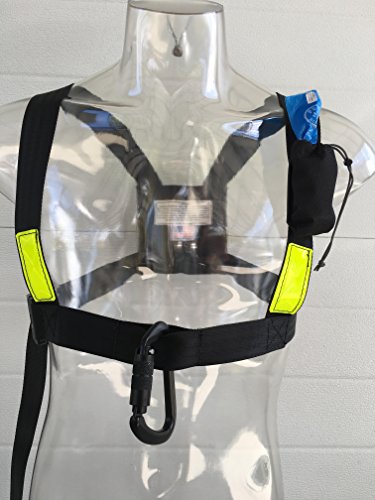
Made In USA - Retractable Leash, Hands Free Dog Harness, Ultimate Human Dog Harness, Dog Training Harness, Service Dog Harness, Hands Free Dog Leash, Disabled Person Dog Harness, Sailing harness

RUN LIGHT, HYDRATE SMART. Designed for high-mileage runs, this lightweight dog hydration vest keeps your running partner cool, balanced, and fueled with two included Ruffwear soft flasks and zippered storage for essentials.

ERGONOMIC MOVEMENT DESIGN: Our reflective dog harness features an ergonomic Y-shaped neck construction that supports free shoulder movement and helps minimize breathing constraints. The design of our small dog harness allows your dog to move naturally and efficiently during running, biking, skiing and other dog-powered sports.
Safety Precautions During Exercise
Ensuring the safety of our Whippets during exercise is paramount to their overall health and enjoyment. Here are some essential precautions for effective exercise supervision and injury prevention:
- Weather Awareness: Protect Whippets from cold with warm, waterproof coats and limit exercise in extreme heat to prevent overheating.
- Injury Monitoring: Watch for signs of limping, reluctance to move, or discomfort, indicating potential injury or fatigue.
- Rest Periods: Incorporate breaks during sessions to allow recovery, along with warm-up and cool-down exercises to safeguard muscles and joints.
- Leash and Containment: Always use a secure leash or a fenced area to prevent escape, as Whippets can reach speeds of up to 35 mph.
Managing Behavior Through Exercise
To effectively manage a Whippet’s behavior, we must recognize the critical role of regular exercise. It’s crucial to understand that exercise benefits not only fulfill natural drives but also improve their overall behavior. When we provide our Whippets with at least one hour of daily activity, including:
- Lure coursing or off-lead running for their chase instincts
- Sniff walks for mental stimulation
- Short, focused training sessions to bolster good habits
We create a calmer home environment. Inadequate exercise leads to anxiety, hyperactivity, and destructive behaviors. By prioritizing both physical and mental challenges, we can prevent boredom and foster a more balanced demeanor. Engaging in structured routines will guarantee our Whippets adapt better to household rules and ultimately enhance their quality of life.
Age-Appropriate Exercise Adjustments
When we adapt our Whippet’s exercise routine according to their age, we help guarantee their physical and mental well-being throughout their life stages.
- Puppy exercise should be limited to 2-3 minutes per month of age per walk, ensuring we monitor for fatigue. Activities must avoid high-impact exercises until skeletal maturity at 12-18 months.
- Adult exercise typically requires 1-2 hours daily, including walks and off-leash runs, to match their high energy levels.
- Senior exercise focuses on low-impact activities to maintain mobility while preventing soreness, with gentle play being essential.
Through these exercise adjustments, we can cater to our Whippet’s individual needs, ensuring a healthy balance tailored to their changing capabilities across life stages.
Incorporating Training With Physical Activity
Physical activity can be greatly enhanced by incorporating training into our Whippets’ routines. By combining training techniques with exercise, we boost our dogs’ physical fitness and mental well-being.
- Develop consistent routines that mix skill training, like command learning, with physical activity.
- Use positive reinforcement, such as treats or praise, to motivate desired behaviors during sessions.
- Engaging in interactive training exercises serves as bonding activities, strengthening our connection with Whippets.
- Scheduling combined exercise and training supports better behavior and engagement, reducing boredom effectively.
For Whippet puppies, it’s essential to control exercise type and intensity, opting for multiple short sessions (15-30 minutes) to promote healthy growth. This balance keeps our furry friends stimulated without risking injury.
Frequently Asked Questions
How Do I Know if My Whippet Is Getting Enough Exercise?
To know if our whippet’s getting enough exercise, we should watch for signs like calmness during downtime, engagement in play, and good responsiveness to commands—all indicating healthy activity levels and sufficient mental stimulation.
Can Whippets Participate in Dog Sports or Agility Training?
Absolutely, Whippets can thrive in dog sports and agility training! Their speed and agility benefits from structured sports training—who wouldn’t want a four-legged rocket zooming through obstacles like a furry superhero? Let’s release their potential!
What Should I Do if My Whippet Refuses to Exercise?
If our Whippet refuses to exercise, we should consider behavior issues and adjust our training techniques. Engaging them with varied activities, positive reinforcement, and mental challenges can reignite their enthusiasm for exercise.
Are There Specific Toys That Promote Exercise for Whippets?
Absolutely, interactive fetch toys are fantastic for promoting exercise enrichment in Whippets. They encourage running and chasing, satisfying their instinctive behaviors while keeping them engaged and physically active. Let’s explore more options together!
How Can I Adjust My Whippet’s Routine for Seasonal Changes?
As seasons shift like leaves in the wind, we must embrace seasonal considerations and find creative exercise alternatives. Early morning strolls or indoor fun keeps our Whippets happy and engaged, no matter the weather’s whims.