As an Amazon Associate, we earn from qualifying purchases. Some links on this site are affiliate links at no extra cost to you. Our recommendations are based on thorough research and editorial judgment.

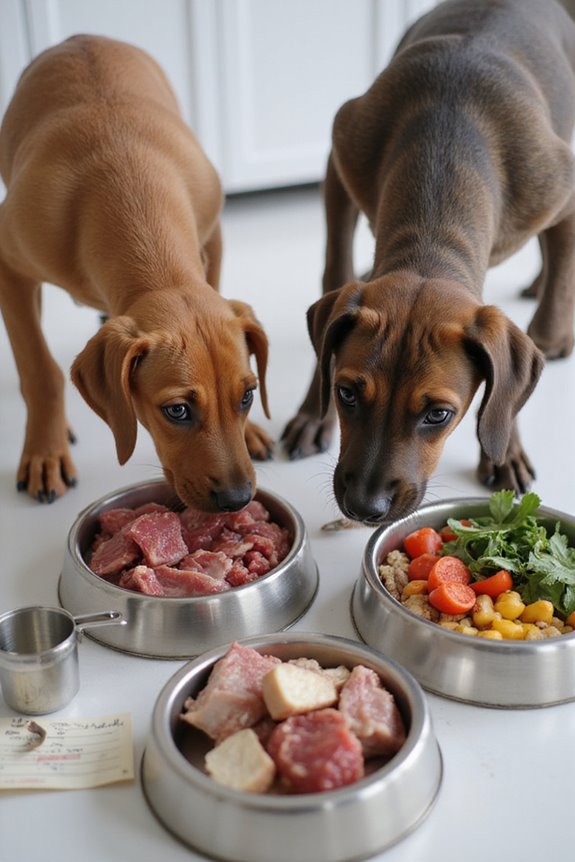
How Should I Switch My Sighthound To A Raw Food Diet For Puppies?

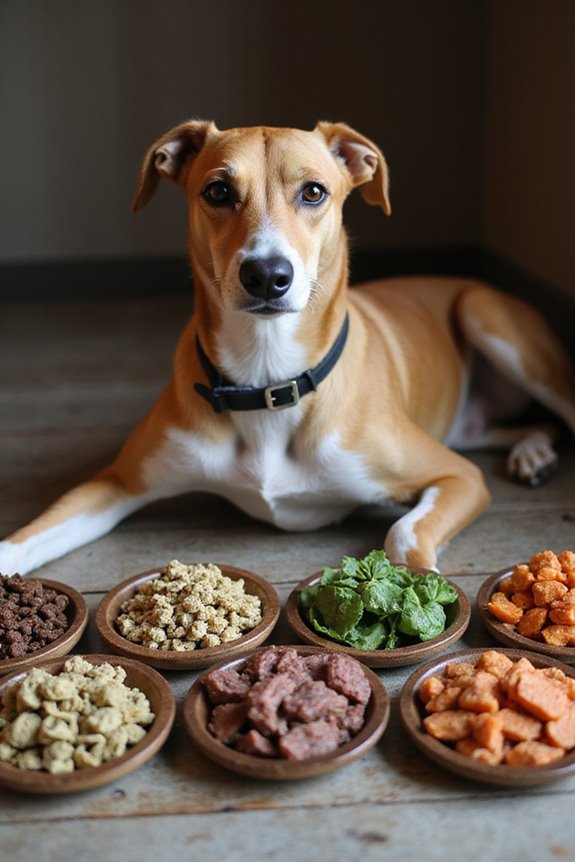
To switch our sighthound puppy to a raw food diet, we should follow a gradual change plan. Start by feeding 80% old food and 20% raw for the first three days. Gradually adjust to 50/50 from days four to seven, then 20% old food and 80% raw from days eight to fourteen. Monitor stool consistency and coat condition for signs of digestive health. By doing this, we can guarantee a successful change and support our puppy’s nutritional needs. Further guidance awaits.
Key Takeaways
- Gradually transition your sighthound to a raw food diet over 14 days, starting with a mix of old and raw food ratios.
- Monitor your puppy’s stool consistency and appetite, and adjust the diet if loose stools or discomfort occur.
- Include proper macro composition: 58% muscle meat, 17% raw edible bones, 14% organ meats, 7% vegetables, and 3% nuts/seeds.
- Ensure strict hygiene practices during raw food preparation to avoid pathogens and maintain safe feeding.
- Maintain communication with your veterinarian to track health and nutritional needs during the transition process.
Understanding the Transition Process
Shifting a sighthound to a raw food diet requires careful planning and attention to detail to guarantee a smooth process for both the dog and owner. To confirm successful digestive adaptation, we should adopt a gradual change approach. Here’s a suggested schedule:
- Days 1–3: 80% old food, 20% raw food
- Days 4–7: 50% old food, 50% raw food
- Days 8–14: 20% old food, 80% raw food
- Post 14 days: 100% raw food
Monitoring stool consistency is essential; firm stools indicate good tolerance, while loose stools signal a need for adjustment. If our puppy shows signs of discomfort or appetite changes, we must slow the change or consult a vet promptly. Additionally, ensuring a diet that includes high-quality protein sources helps support lean muscle development and overall health. Careful observation leads to a successful dietary shift.
Nutritional Components of a Raw Puppy Diet
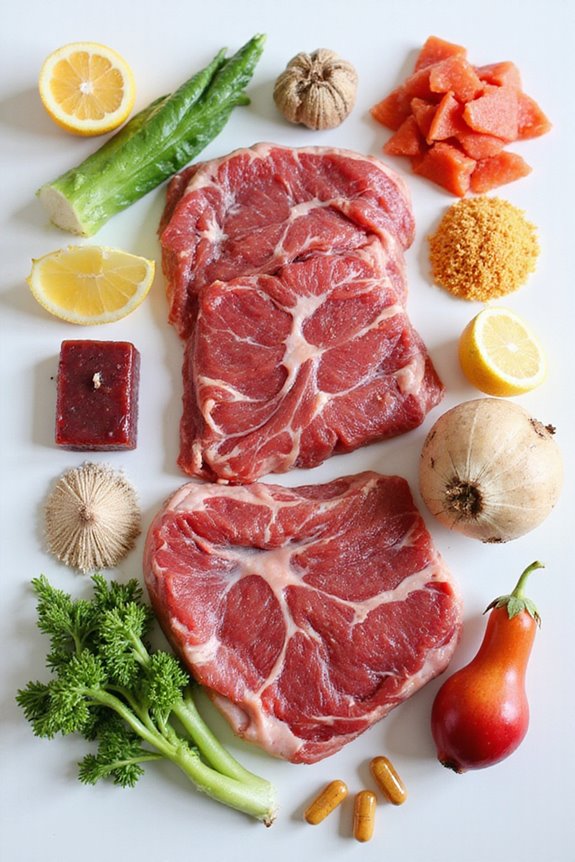
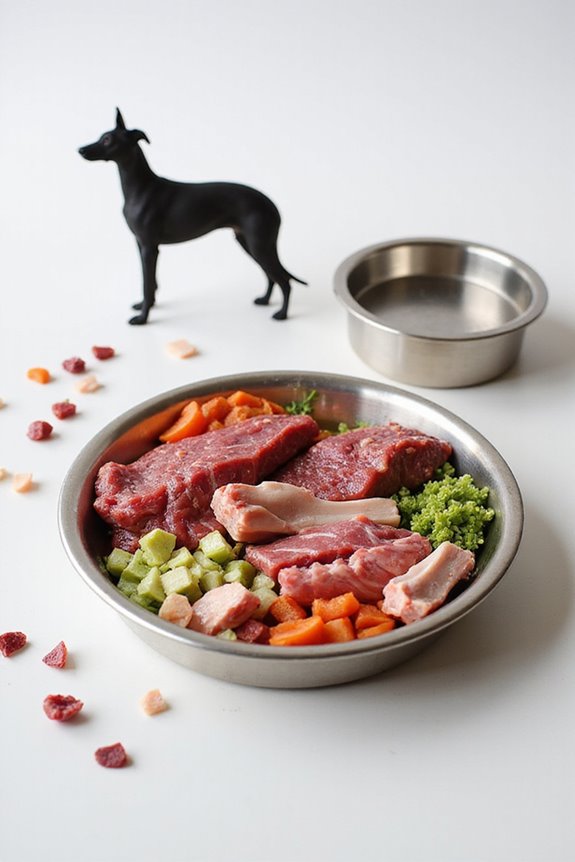
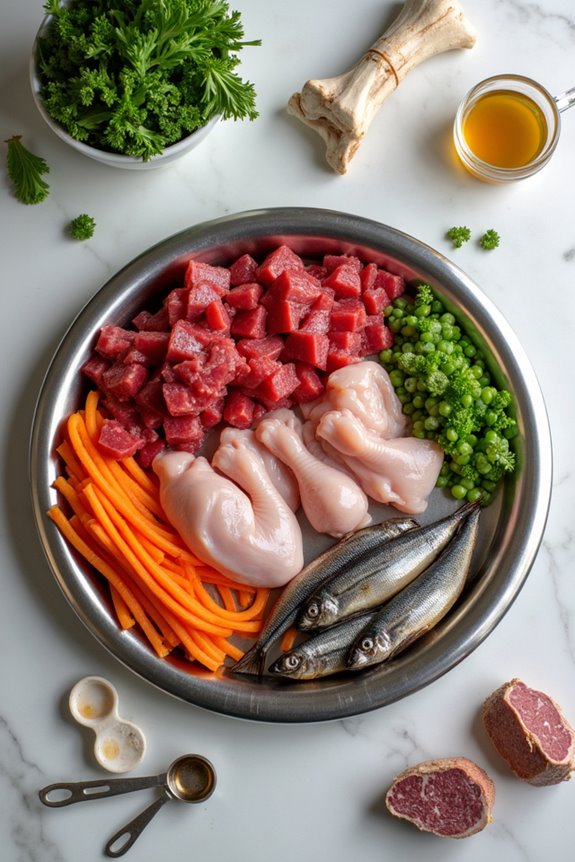
Nutritional balance is essential when designing a raw puppy diet, as it directly impacts growth, health, and vigor. The macro composition should include:
- Muscle meat (58%): Provides protein, essential amino acids, fats, and B vitamins.
- Raw edible bones (17%): Supplies calcium, phosphorus, and additional protein.
- Organ meats (14%): Includes liver (7%) for vitamins A and B, plus other organs for trace minerals.
- Vegetables (7%): Offers fiber, vitamins, and minerals, though their necessity is debated.
- Nuts/seeds (3%): Contribute essential fatty acids and fat-soluble vitamins but require preparation.
We must also guarantee proper vitamin sources are included, focusing on balancing calcium and phosphorus while monitoring for potential deficiencies with supplements like vitamin E and fish oil. Additionally, it’s crucial to ensure the diet contains high-quality protein sources to meet the energetic needs of growing puppies.
Health Benefits of Raw Diets for Sighthounds
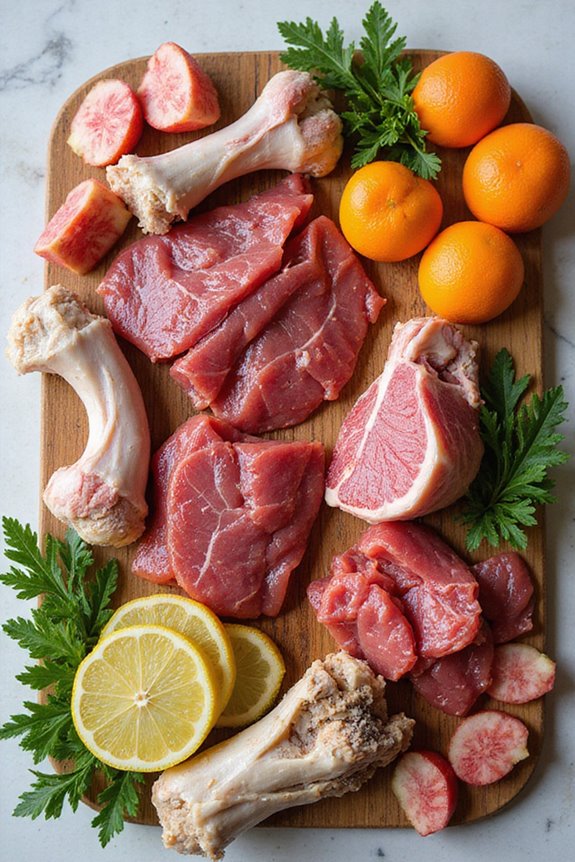
Raw diets offer numerous health benefits for Sighthounds, and understanding these advantages can help us make informed dietary choices for our pets. The raw food benefits include:
- Improved Digestive Health: Raw diets enhance digestive enzyme function, improve nutrient absorption, and often alleviate gastrointestinal issues like bloating and indigestion.
- Enhanced Dental Health: Chewing raw meaty bones helps maintain oral hygiene, reducing plaque buildup and dental disease risks.
- Healthier Skin and Coat: Raw diets provide essential fatty acids that promote skin hydration, resulting in shinier coats and less irritation.
- Support for Immune Systems: Raw feeding strengthens immune responses and balances hormones, contributing to overall systemic health. Additionally, ensuring raw foods are rich in omega-3 and omega-6 fatty acids can further improve skin barrier function and reduce inflammation.
Challenges and Risk Management in Raw Feeding
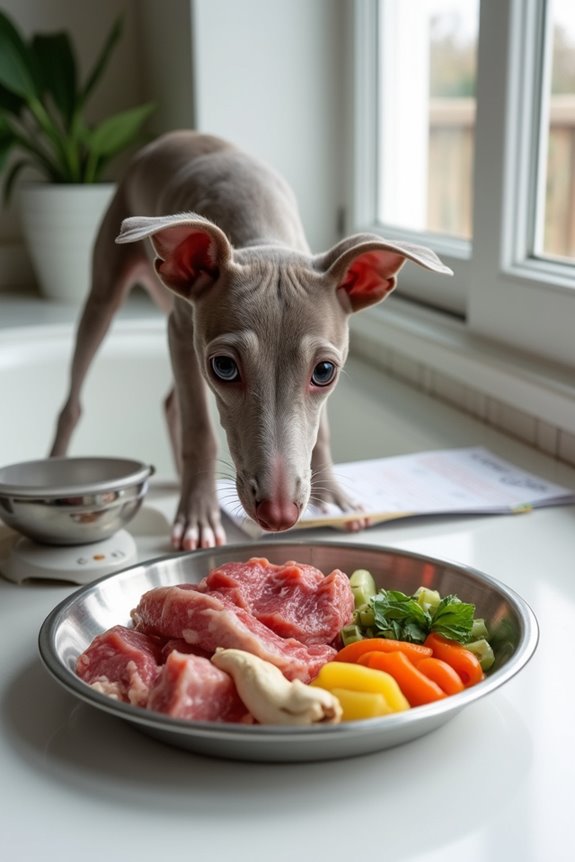
While the health benefits of a raw diet for Sighthounds are enticing, there are several challenges and risks associated with this feeding approach that we must consider.
- Infection Prevention: Raw diets can harbor pathogens like *Salmonella* and *E. coli*, posing risks to pets and humans. Strict hygiene practices, including thorough handwashing and utensil sanitation, are essential to prevent contamination.
- Preparation Safety: Crafting a safe raw diet requires significant time and attention. We must guarantee balanced nutrient ratios, manage storage to avoid spoilage, and supervise feeding to prevent choking hazards from raw bones. Moreover, ensuring the proper joint support in a sighthound’s diet is crucial for their overall health.
With the possibility of nutritional imbalances, we should consult a veterinarian to discuss the best practices and requirements before fully shifting our Sighthounds to a raw diet.
Practical Feeding Tips for Sighthound Puppies
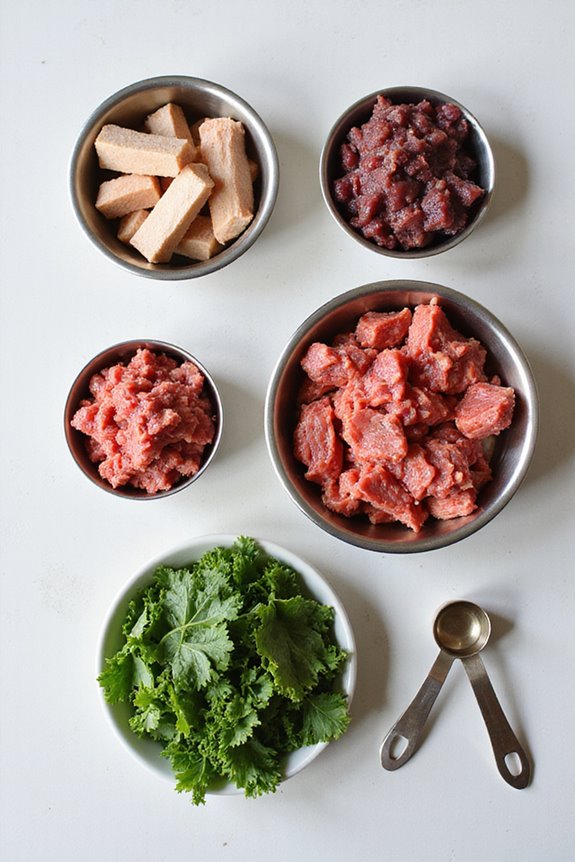
As we commence on the journey of shifting Sighthound puppies to a raw food diet, it’s important to establish practical feeding tips that support their unique nutritional needs.
- Begin with minced raw meat, including about 10–12% bone content, to ease chewing and digestion.
- Introduce one new protein source at a time, allowing us to monitor for sensitivities.
- Maintain consistency in mealtime routines to help them adapt to new flavors.
- Gradually replace kibble over 7–14 days to avoid digestive issues.
- Offer small, frequent meals, reflecting their high energy needs.
Using protein variety such as chicken, beef, and fish guarantees a balanced diet, while including organ meats in moderation supports their rapid growth and development. Additionally, ensuring the diet includes essential fatty acids can promote optimal skin health and joint support, which are vital for their development.
Monitoring Puppy Health During Transition
Monitoring the health of our Sighthound puppies during their change to a raw food diet is essential for ensuring their well-being.
- Stool Monitoring: We should expect soft stools for 2-3 weeks but look for small, firm, and low-odor stools, indicating proper digestion. A reduction in flatulence and waste volume signifies improved nutrient absorption.
- Coat Assessment: A shiny, soft, and dense coat is a good sign of successful dietary change. Higher fat content in raw diets promotes healthy skin. A deteriorating coat may suggest nutritional imbalances, requiring our attention.
Regularly observing these indicators allows us to address any concerns swiftly, maintaining our puppies’ health during this important change. Additionally, incorporating nutrient-rich options can further support optimal health and digestion during the transition.
Adjusting the Diet Based on Puppy Needs
Adjusting a Sighthound puppy’s raw food diet requires careful consideration to meet their unique nutritional needs at various growth stages. Here are crucial factors to guide our diet adjustments:
- Protein Requirements: Puppies need higher protein intake to support muscle growth, with 70-80% of their diet sourced from muscle meat.
- Bone Content: Incorporate raw meaty bones for calcium, ensuring they’re appropriately sized. Organ meats should account for 10% of the diet for essential nutrients.
- Hydration: The high moisture content in raw diets helps meet hydration needs.
- Caloric Adjustments: We should frequently assess caloric intake based on weight and activity levels, making changes to their portions as they grow.
When to Seek Veterinary Guidance
Recognizing when to seek veterinary guidance is an essential aspect of managing a Sighthound’s raw food diet. Here are key indicators that warrant a consultation:
- Signs of deficiencies: Persistent poor growth or unusual fatigue may signal insufficient nutrition, while abnormal coat conditions or chronic digestive issues like vomiting can indicate imbalances.
- Infection symptoms: If your puppy shows fever, diarrhea, or vomiting, it’s vital to seek veterinary attention, as these could be signs of foodborne illnesses.
- Feeding-related injuries: Difficulty eating, excessive drooling, or gagging after raw meals might require urgent care.
We should also monitor our pup’s overall health, especially during the change to a raw diet, ensuring we stay in close contact with our veterinarian throughout.
Frequently Asked Questions
Can I Mix Kibble With Raw Food During the Transition?
Mixing kibble with raw food during the changeover’s like giving our pups a taste of culinary heaven. This method eases raw digestion while we gently adjust their diet, ensuring a smoother kibble changeover.
How Do I Store Raw Puppy Food Safely?
To store raw puppy food safely, we should keep it securely in the freezer, organized by date. We’ll thaw it in the fridge and use it within a few days to guarantee freshness and safety.
What Signs Indicate My Puppy Is Adjusting Well?
We’d say signs our puppy’s adjusting well include enthusiastic eating behavior and noticeably higher energy levels. Ironically, if they’re bouncing off the walls, it’s probably a good sign they love their new diet!
Can I Use Homemade Raw Recipes Instead of Store-Bought?
Absolutely, we can use homemade recipes instead of store-bought options. Just guarantee we achieve proper nutritional balance with quality ingredients to support our puppy’s growth and health throughout their change to a raw diet.
Are There Specific Meats That Are Not Recommended for Puppies?
Puppies, like delicate blossoms, need careful nurturing. We should avoid high-risk poultry due to pathogens and limit organ meats aside from liver and heart to foster their growth while avoiding potential toxicity.