As an Amazon Associate, we earn from qualifying purchases. Some links on this site are affiliate links at no extra cost to you. Our recommendations are based on thorough research and editorial judgment.

What Are The Best Training Tips For Sighthounds? Benefits

When training sighthounds, we should focus on a few key strategies to guarantee their success and well-being:
- Utilize positive reinforcement, rewarding desirable behaviors to boost confidence and encourage independence.
- Engage them with game-based training for mental stimulation and fun.
- Overcome recall challenges by practicing in secure areas and using high-value treats.
These methods foster effective communication and strengthen the bond between us and our dogs. Discover more important tips and techniques that benefit sighthound training.
Key Takeaways
- Utilize positive reinforcement methods to boost confidence and encourage desirable behaviors while strengthening the bond between handler and sighthound.
- Incorporate game-based training techniques for enhanced engagement, mental stimulation, and prevention of boredom during training sessions.
- Start recall training in quiet, secure areas using high-value treats to motivate sighthounds and gradually increase distractions for improved reliability.
- Provide regular exercise and structured training to enhance cardiovascular health, prevent obesity, and mitigate destructive behaviors through mental stimulation.
- Create an enriched environment with prey-like toys and cognitive activities to cater to sighthound needs, especially in urban settings.
Understanding Sighthound Behavior
When we consider the behavior of sighthounds, it’s essential to recognize their unique visual hunting instincts and temperament characteristics that differentiate them from other breeds.
- Sighthounds rely heavily on their exceptional eyesight. They detect movement at great distances, thanks to their specialized retinas, enhancing their hunting abilities.
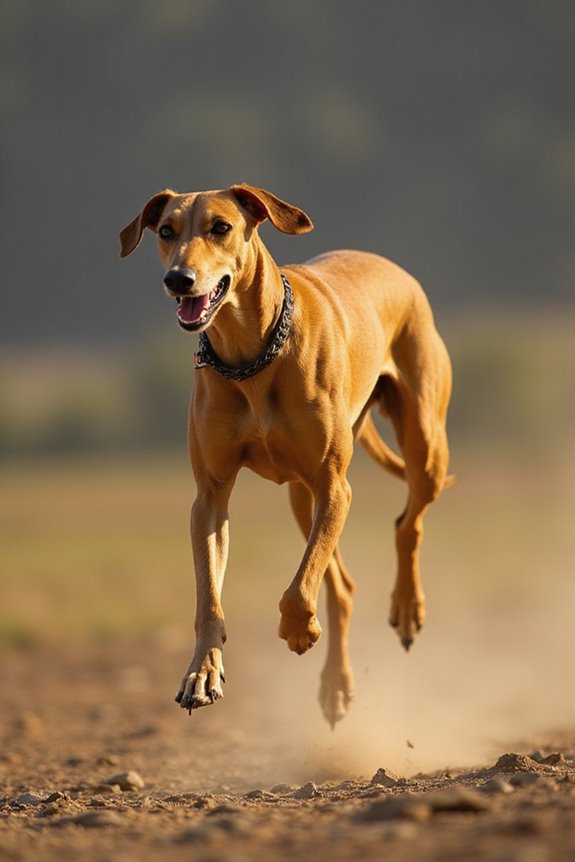
- Their hunting behaviors involve rapid acceleration rather than endurance chasing, showcasing their lean, aerodynamic bodies designed for quick bursts of speed.
- Typically calm and composed, sighthounds show sensitivity, often displaying aloofness with strangers but loyalty to their owners.
- Training sighthounds can be challenging due to their independent nature, along with their strong prey drive, which may lead to reactive behaviors around small animals. Understanding these traits is essential for effective training and socialization. Additionally, their unique dietary needs often require tailored nutritional support to promote overall well-being and training success.
Recommended Products

ERGONOMIC MOVEMENT DESIGN: Our reflective dog harness features an ergonomic Y-shaped neck construction that supports free shoulder movement and helps minimize breathing constraints. The design of our small dog harness allows your dog to move naturally and efficiently during running, biking, skiing and other dog-powered sports.

Law Enforcement and Military grade professional training equipment

Adjustable Dog Harness, the ideal Dog Harness for Large Dogs, Pitbull Harness, Husky Harness
The Importance of Positive Reinforcement
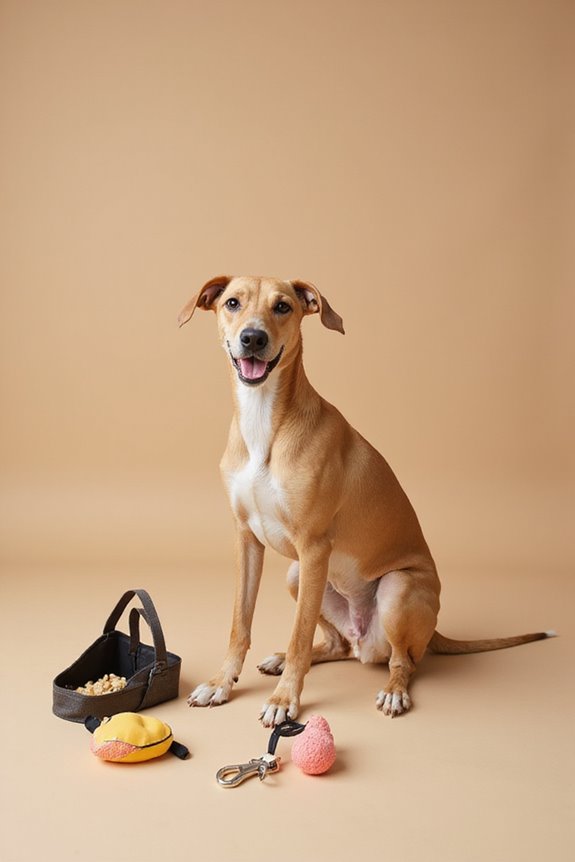
Positive reinforcement is an essential aspect of training sighthounds, as it creates an environment where these dogs can thrive and learn effectively. By using rewards, we encourage desirable behaviors, fostering a positive learning atmosphere that enhances retention. This approach helps dogs associate good behavior with pleasant outcomes while avoiding punishment, reducing fear and stress.
Key benefits of positive reinforcement include:
- Confidence Building: It boosts self-esteem and encourages independent thinking.
- Attention Enhancement: Dogs learn to focus on commands and differentiate between positive actions and distractions.
- Mental Benefits: It stimulates mental activity, enhancing emotional well-being. Additionally, it’s important to utilize a well-fitting martingale collar to improve control and prevent escapes during training.
Ultimately, positive reinforcement promotes behavioral consistency, making training sessions enjoyable and effective while strengthening the bond between handler and dog.
Game-Based Training Techniques
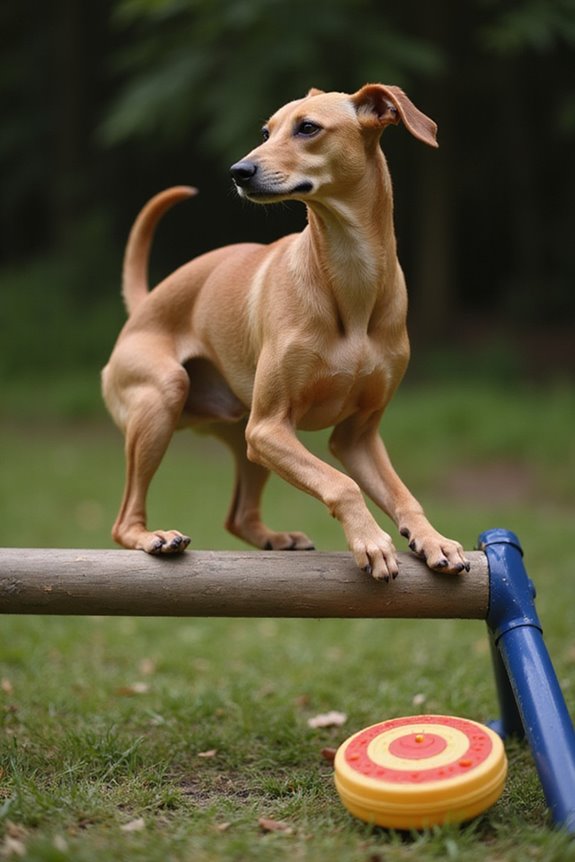
Game-based training techniques represent an innovative approach to enhancing the training experience for sighthounds. By leveraging game mechanics that appeal to their instinctual traits, we can greatly boost training engagement.
- Incorporating chase-like games and interactive activities provides mental stimulation aligned with sighthound characteristics.
- Short, varied sessions prevent boredom and maintain focus, essential for intelligent breeds.
- Playful energy encourages participation and reduces anxiety, contributing to a positive atmosphere.
- Self-paced online resources support continuous learning, allowing flexibility for the dog’s needs.
- Frequent, short games create multiple reinforcement opportunities throughout the day, bolstering emotional well-being.
- Additionally, using a well-fitted escape proof harness during training ensures safety and comfort, enabling better engagement in game-based activities.
Through these techniques, we foster a dynamic learning environment that enhances our sighthounds’ training experience while catering to their unique instincts.
Recommended Products

BUILT FOR DOGS ON THE GO. Lightweight, minimalist design helps your dog move freely on walks, hikes, or runs. Great for small, medium, and large dogs who crave comfort, mobility, and off-leash-like freedom.

DUAL LEASH ATTACHMENT POINTS. Features an aluminum V-ring on the back and reinforced webbing at the chest. Gives you options for everyday walks or redirecting dogs that tend to pull, so you can enjoy more controlled and pleasant outings.

[ALL THE COLORS IN ONE VEST] Change between 8 super bright solid colors - Red, Yellow, Magenta, Blue, Purple, Pink, Green, and Cyan AND 6 eye catching multicolor flashing and slow fading color modes – Disco Dog, Rainbow, Cool Comet, Rescue, Independence Day, and Photon Burst. Our special illumination modes are based on visual science to give visibility to your pets and warning to motorists. Modes are easily selectable at the press of a button, easy to access during a walk, run, or backyard fun.
Overcoming Recall Challenges
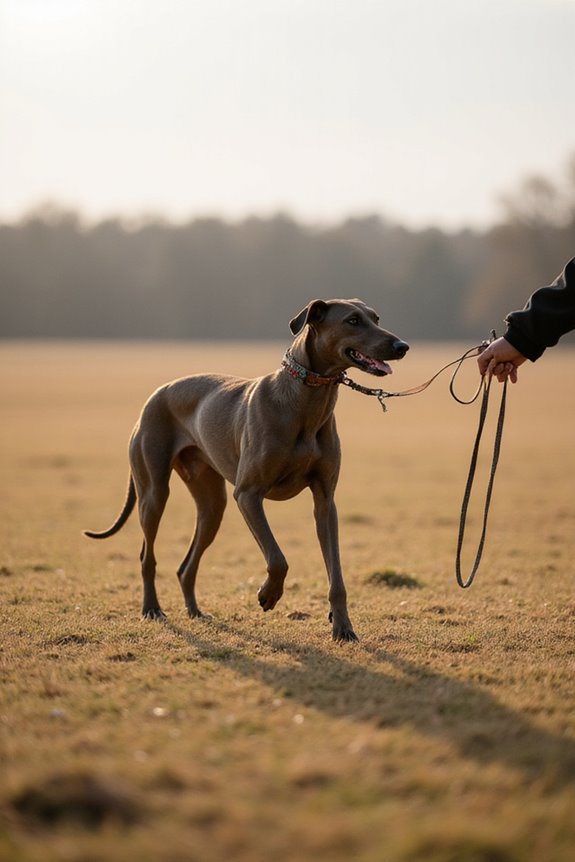
Overcoming recall challenges with sighthounds requires a strategic approach that respects their unique instincts and behaviors. We should begin in a quiet outdoor area, ensuring minimal distractions. Secure, fenced spaces allow safe practice with a long line attached to a harness, which aids in distance training while maintaining control.
To enhance effectiveness, we can use high-value treats exclusively for recall training, increasing motivation. It’s essential to understand that classical toys may not engage many sighthounds, so focusing on food rewards is important.
Starting at short distances enables gradual progress, allowing us to increase challenges with distractions as our sighthound’s recall improves. Reinforcing positive returns immediately creates strong associations, helping to solidify our success in overcoming these challenges. Additionally, selecting the right escape-proof features in a harness can significantly improve the overall training experience by ensuring your sighthound feels secure and comfortable during practice sessions.
Recommended Products

THE ULTIMATE CANINE SAR HARNESS: A full body harness designed specifically for SAR dogs, this design helps you to safely and securely lower or raise your dog down cliffs, into collapsed structures or from helicopters

BUILT FOR DOGS ON THE GO. Lightweight, minimalist design helps your dog move freely on walks, hikes, or runs. Great for small, medium, and large dogs who crave comfort, mobility, and off-leash-like freedom.

OneTigris No Pull Dog Harness with 2 Leash Clips and 3 Durable Handles.1 D-Rings Sewn the back ,1 D-Ring near dog's neck for short leash , 1* sewn the back of harness for normal walking with long leash , 1* No pulling front Clip will redirect the dog forward motion and make dog's leg off the ground ,allow you to Control the puller with few effort and training your dog to walk beside you
Building Confidence Through Training
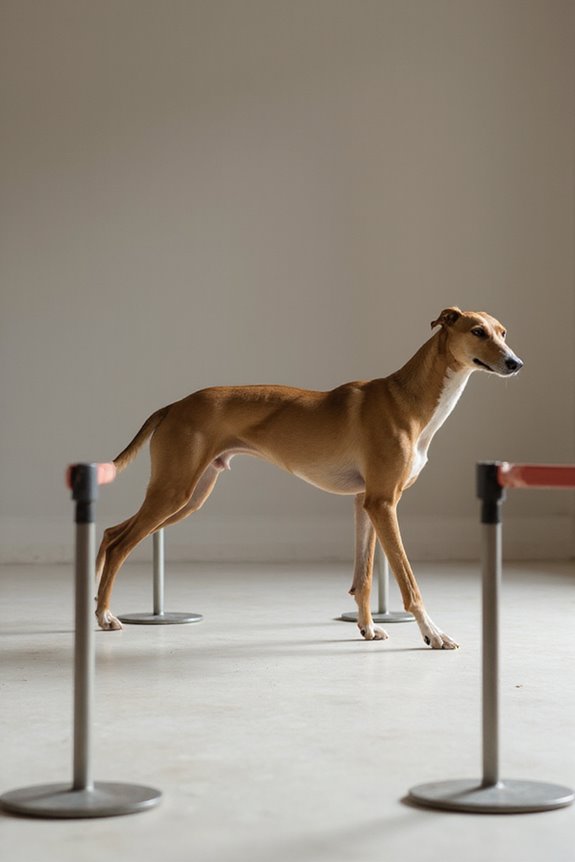
Building confidence in sighthounds is key to their training success and overall well-being. Engaging in confidence exercises not only reduces anxiety but also fosters emotional resilience. We can do this by:
- Starting with small, achievable tasks that gradually increase in difficulty, allowing sighthounds to experience success.
- Implementing positive reinforcement to encourage them to try new activities without fear of failure.
- Practicing gradual desensitization to help mitigate separation anxiety, reinforcing independent confidence.
- Teaching self-settling behaviors to promote calmness in our absence, enhancing their confidence.
- Maintaining clear communication with defined cues, ensuring our sighthounds understand expectations, fostering trust.
- Incorporating high-quality protein sources in their diet, as proper nutrition supports their physical and mental well-being.
Through these strategies, we’ll empower our sighthounds to navigate challenges with newfound assurance.
Tailored Training for Individual Temperaments
When we tailor training to the individual temperaments of sighthounds, we enhance their learning experience and overall development. Each dog possesses unique individual personalities that notably influence how they respond to training.
- Recognizing temperament traits, like sensitivity or independence, allows for customized management of training approaches.
- Engaging, game-based learning can keep their interest, while varied rewards help reinforce desired behaviors.
- Understanding each dog’s communication cues is crucial; subtle signals can prevent misunderstandings.
- Additionally, prior experiences and stressors shape their behavior, requiring patient adjustments in our techniques.
Incorporating these strategies fosters not only better learning outcomes but also strengthens the bond we share with our sighthounds, creating a positive training atmosphere tailored just for them. Regular veterinary check-ups can also enhance training by ensuring health issues don’t distract from learning.
Key Tools and Techniques for Success
To maximize training success for our sighthounds, we need to implement specific tools and techniques that cater to their unique characteristics.
- Markers and Treats: Using markers effectively helps them understand desired behaviors while treats reinforce those actions.
- Soft Leashes and Harnesses: We must select equipment suitable for sighthounds’ delicate anatomy to guarantee their comfort.
- Muzzle Training: Introducing muzzles early promotes safety in unpredictable environments.
- Engagement Toys: A variety of toys can engage their chase drive when other motivators are ineffective.
- Positive Reinforcement: Employing gentle guidance prevents unnecessary stress and encourages compliance.
For effective distraction management, we should focus on building muscle memory and redirecting their attention to commands, guaranteeing a smoother training experience overall.
Recommended Products

ERGONOMIC MOVEMENT DESIGN: Our reflective dog harness features an ergonomic Y-shaped neck construction that supports free shoulder movement and helps minimize breathing constraints. The design of our small dog harness allows your dog to move naturally and efficiently during running, biking, skiing and other dog-powered sports.

Premium All-Weather Biothane Material: Waterproof, easy-to-clean, and weather-resistant — perfect for outdoor, wet, and rugged environments.

UNIQUE & INNOVATIVE WRAP-AROUND TECHNOLOGY – When your dog walks calmly, the leash stays slack with no pressure. The moment they pull, the loop gently tightens around the chest and underbelly, creating instant feedback that clearly communicates pulling doesn’t work. This natural cause-and-effect helps dogs quickly teach themselves to walk calmly, making training easier and walks more enjoyable.
Enhancing Communication Between Dog and Owner
Effective communication between us and our sighthounds is essential for successful training and a harmonious relationship. By focusing on their subtle body language, we can enhance our understanding of their needs. Key points include:
- Recognizing Signals: Pay attention to ear position, tail movement, and posture, as these indicate emotional states like stress or contentment.
- Using Communication Cues: Clear verbal commands combined with hand signals provide distinct cues, especially in noisy surroundings.
- Consistency is Key: All family members should use identical signals and tones to avoid confusion.
- Observation Builds Trust: By observing our sighthound’s reactions and learning styles, we foster mutual understanding.
Engaging actively with these aspects will strengthen our bond and improve training outcomes.
Benefits of Proper Sighthound Training
Engaging in proper training for our sighthounds brings numerous benefits that impact both their physical and mental well-being.
- Health Benefits: Regular exercise through training improves cardiovascular health and muscle tone, while also maintaining appropriate body weight. This helps prevent obesity-related complications and reduces the risk of joint problems. Additionally, consistent training decreases sedentary behavior, benefiting metabolic health and reducing disease risks.
- Behavior Benefits: Structured training provides mental stimulation that prevents boredom and mitigates destructive behaviors. It supports focus, impulse control, and coping mechanisms for stressors. Enhanced recall reliability leads to safer interactions with other pets and controlled environments, fostering a well-adjusted sighthound in domestic settings.
Creating an Enriched Environment for Sighthounds
Creating an enriched environment for sighthounds is essential for their overall well-being and happiness. Here are key strategies to evaluate:
- Engage Natural Instincts: Use animated toys that mimic prey to ignite their chase instincts. Incorporating dual-toy tug games enhances their excitement and focus.
- Cognitive Activities: Introduce interactive toys, puzzle-solving games, and hide-and-seek activities to stimulate their minds. Keeping sessions short and varied helps maintain engagement.
- Structured Exercise: Balance regular walks with short sprints, utilizing training techniques that blend mental tasks, such as scent trails or obedience challenges.
- Tailored Urban Adaptations: Adjust enrichment activities to meet breed-specific needs, enabling them to safely explore their natural instincts even in urban settings.
These approaches foster a stimulating atmosphere for sighthounds, ultimately leading to a happier, healthier life.
Frequently Asked Questions
What Are Common Health Issues in Sighthounds?
Sighthounds face genetic conditions like cataracts and orthopedic issues. We should prioritize regular veterinary check-ups and preventive care, ensuring they’re monitored for potential health problems early, while providing proper nutrition and joint health support throughout their lives.
How Can I Socialize My Sighthound Effectively?
To effectively socialize our sighthound, we can use playdate strategies with calm dogs and enroll in group training sessions. This gradual exposure helps build confidence and positive experiences, reinforcing good behavior in various environments.
Are Sighthounds Suitable for First-Time Dog Owners?
Yes, sighthounds can be suitable for first-time owners. Their affectionate nature and gentle temperament benefit dedicated training. Understanding their unique characteristics, including independence and prey drive, makes a fulfilling partnership possible for us as new dog owners.
What Is the Best Diet for Sighthounds?
For sighthounds, a balanced diet with 15-30% protein, healthy fats, and dietary supplements like omega oils keeps them vibrant. We can enhance their nutrition while ensuring peak energy and performance for their active lifestyles.
How Do I Manage My Sighthound’s Exercise Needs?
To manage our sighthound’s exercise needs, we should focus on structured exercise routines that include leash training. Combining short bursts of running with play keeps them physically fit and mentally stimulated while preventing boredom.