As an Amazon Associate, we earn from qualifying purchases. Some links on this site are affiliate links at no extra cost to you. Our recommendations are based on thorough research and editorial judgment.

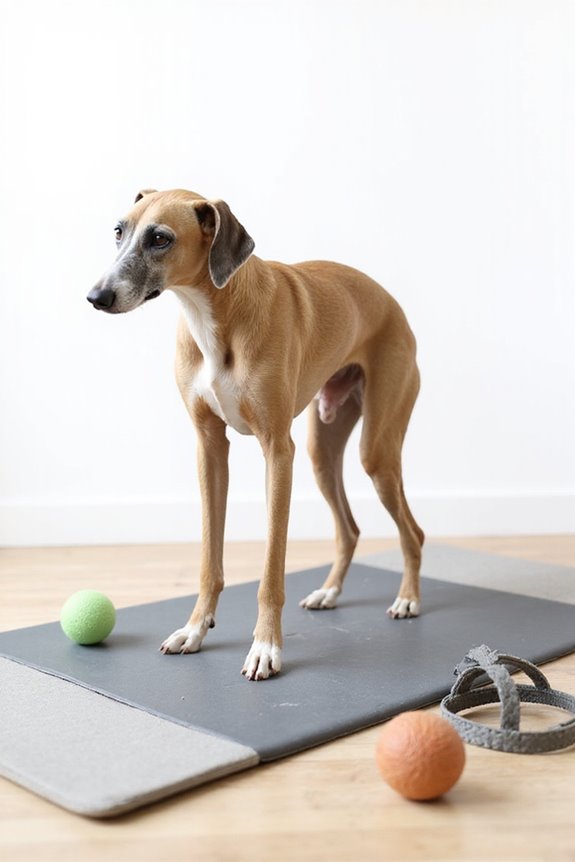
What Are Exercise Recommendations For Older Whippets?

For older whippets, exercise recommendations emphasize gentle activities tailored to their health needs. We should aim for 30 minutes of daily exercise, divided into two short walks. Low-impact activities like leisurely strolls, swimming, and indoor games enhance mobility without stressing joints. It’s essential to remain attentive to signs of fatigue, such as excessive panting or reluctance to move. Monitoring these signals can guide us in adapting their routines for comfort and safety. Further details on effective exercise options await.
Key Takeaways
- Aim for one hour of daily exercise, ideally divided into two 30-minute gentle walks to support joint health.
- Supplement walks with mental stimulation through indoor games or puzzle feeders for overall engagement.
- Focus on low-impact activities such as swimming, leash walking, and simple stretching to minimize stress on aging joints.
- Monitor for signs of fatigue or distress, such as excessive panting or reluctance to continue, and adjust activities accordingly.
- Consult a veterinarian for tailored exercise plans based on individual health needs and capabilities.
Understanding the Exercise Needs of Senior Whippets
Understanding the exercise needs of senior Whippets is essential for maintaining their health and well-being as they age. Their senior needs often shift as they require less intense exercise compared to younger dogs.
- We should aim for about one hour of exercise daily, divided into two 30-minute walks.
- Gentle walks suit aging joints, ensuring we avoid stressing their skeletal or muscular systems.
Additionally, recognizing fluctuating energy levels is important.
- We must allow for rest days, prioritizing mental stimulation over strenuous activity.
- If we observe signs of restlessness or reluctance to exercise, it may signal an imbalance in their routine. Furthermore, incorporating joint support is vital to keep them active and comfortable during their walks.
Low-Impact Exercise Options
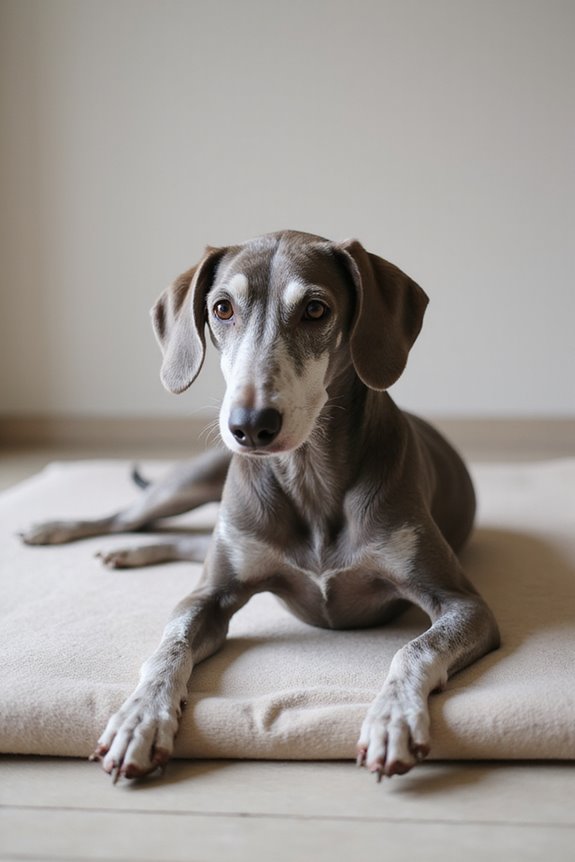
As senior whippets age, adapting their exercise routine becomes essential for maintaining their health. Low-impact exercise options can guarantee they stay active without straining their joints. Consider incorporating the following gentle activities:
- Leisurely Walks: A slow stroll on grassy or sandy surfaces supports mobility and allows for mental stimulation through sniffing.
- Swimming and Hydrotherapy: These activities offer a full-body workout while reducing joint stress, ideal for cardiovascular health.
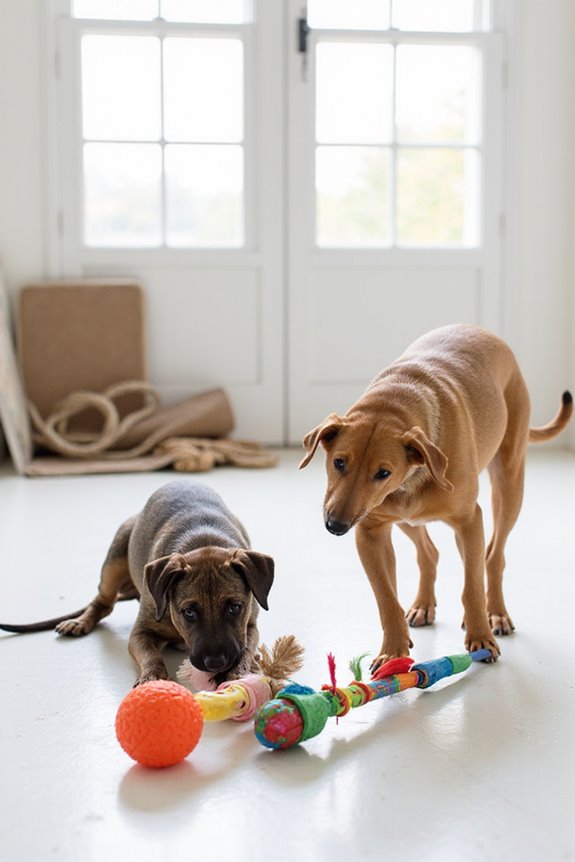
- Indoor Games: Soft tug-of-war or using puzzle feeders promotes movement without excessive exertion.
- Strength and Flexibility Exercises: Simple stretching or balance activities can be done at home to enhance strength.
- Short Hikes: Easy trails provide outdoor exploration while keeping intensity low.
Additionally, incorporating cooling mats can help alleviate discomfort during and after these activities, ensuring your whippet remains comfortable in warmer weather. These alternative exercises can greatly contribute to a whippet’s overall well-being.
Recommended Products

Like a Hug for Your Dog: Is your dog a burrower or a cuddler? Our Cozy Cave dog bed is a hooded design that lets your dog snooze between layers of soft sherpa lining for enveloped comfort and coziness

Cooling a Day: Our advanced cooling technology will cool the pet pad to ideal temperature (between 60-80°F). Effectively provided cooling experience for 24 hours a day in summer. Compare with AC, our system is energy savings.

Sherpa lining for warmth in winter and cool in summer
Recommended Frequency and Duration of Activity
Ensuring our older whippets receive the right amount of exercise is vital to their health and happiness. For senior whippets, we should aim for about 30 minutes of exercise each day, ideally split into several shorter sessions. This activity scheduling can include:
- Two formal walks of about 30 minutes each.
- Additional off-leash play or mental stimulation activities as supplements.
- Short, high-intensity bursts rather than extended periods of low-intensity exercise.
Regular exercise routines are essential, as inconsistent activity can lead to weight gain or behavior issues. Remember to provide brief breaks between sessions for recovery, allowing our furry friends to rest, especially if they show signs of fatigue during activities. Adjust the frequency and duration based on their individual needs to promote overall well-being. It’s beneficial to keep joint health ingredients in mind when choosing their food to support mobility alongside exercise.
Recommended Products

NATURE'S JOINT SUPPORT, BACKED BY SCIENCE: Built on our proprietary Canine Complete whole food foundation, trusted since 1998, with vitamins, minerals, fatty acids, digestive enzymes, prebiotics, and probiotics to support healthy joints.

ADVANCED VET STRENGTH SENIOR DOG HIP & JOINT SUPPLEMENT: Higher-potency chewable for older dogs whose stiffness has moved past what a standard senior supplement covers, with 250mg Glucosamine, 170mg ActivEase Green Lipped Mussel, and Hyaluronic Acid.*

Powerful Joint Support for Dogs: Wuffes Advanced Joint Liquid is a premium dog joint supplement designed to help maintain hip and joint health, promote mobility, and support comfort - especially for senior dogs or picky eaters who prefer an easy-to-give liquid glucosamine formula.
Physical Limitations to Consider
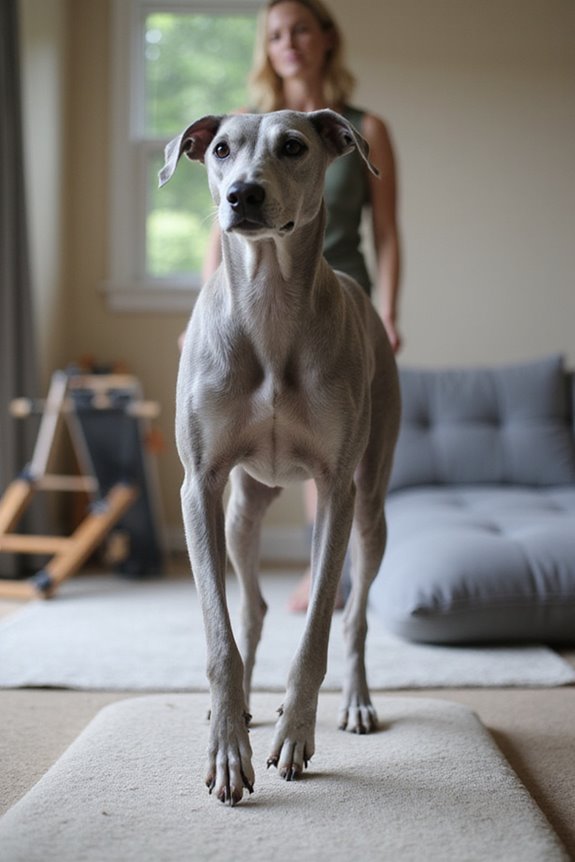
When we consider the physical limitations that older whippets face, several factors can considerably impact their ability to engage in exercise.
- Joint Health: Arthritis and hip dysplasia are prevalent, leading to stiffness and pain, which can restrict movement. As muscle mass declines with age, gentler activities become essential to prevent strain.
- Sensory Awareness: Hearing loss and reduced vision can diminish their responsiveness and navigation abilities during exercise. These sensory deficits may increase anxiety, necessitating more controlled environments for safe activity.
- Other Considerations: Observe for excessive panting or fatigue, which may indicate the need for softer routines. Additionally, ensuring a high-quality protein source in their diet can support muscle health during aging. Paying attention to their comfort, we can enhance their exercise experience while ensuring safety and well-being.
Recommended Products

🏆 Award Winning – SuperZoo 2025 Best New Product To The Market and New Product Showcase Award

Antioxidants Supplement: One 120 count bottle of Jarrow Formulas Curcumin 95 500 mg for up to a 120-day supply

PIVOT V2 HITCH RACK - This swing away extension is designed to ensure your car rack for bike hauling never gets in the way, allowing you to smoothly swing your bike rack to the side for clear access to tailgates, rear doors, and hatchbacks; When it's time to load up, the tightening mechanism makes sure your bike transportation car backdoor rack only moves when you want it to
Supporting Mental and Sensory Health Through Exercise
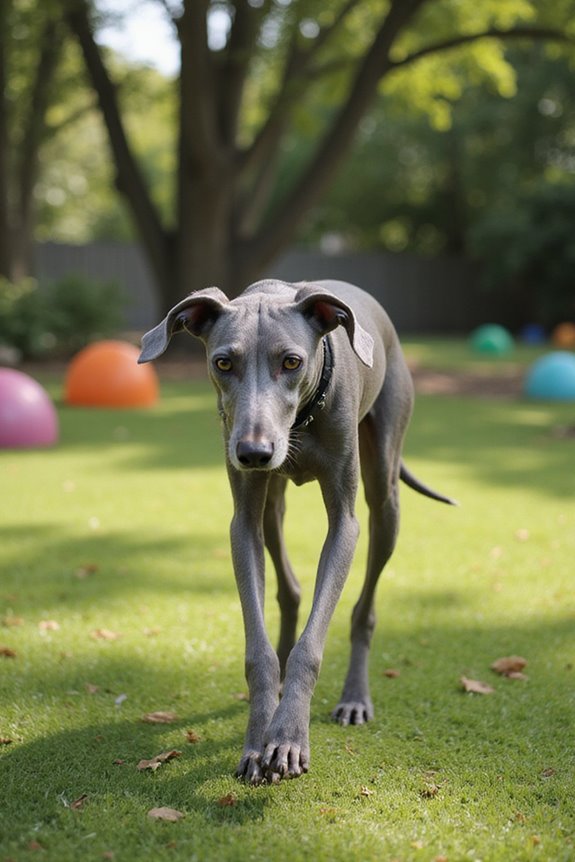
Supporting the mental and sensory health of older whippets through exercise is essential, as it can lead to enhanced overall well-being. Engaging in regular physical activity provides important mental stimulation and encourages sensory exploration. Here are some key points to reflect on:
- Variety in Activities: Incorporate structured walks, short bursts of running, and problem-solving games. These elements work together to enhance cognitive functions.
- Sensory Engagement: Controlled outdoor exercise introduces diverse smells, sights, and sounds, helping maintain sensory acuity.
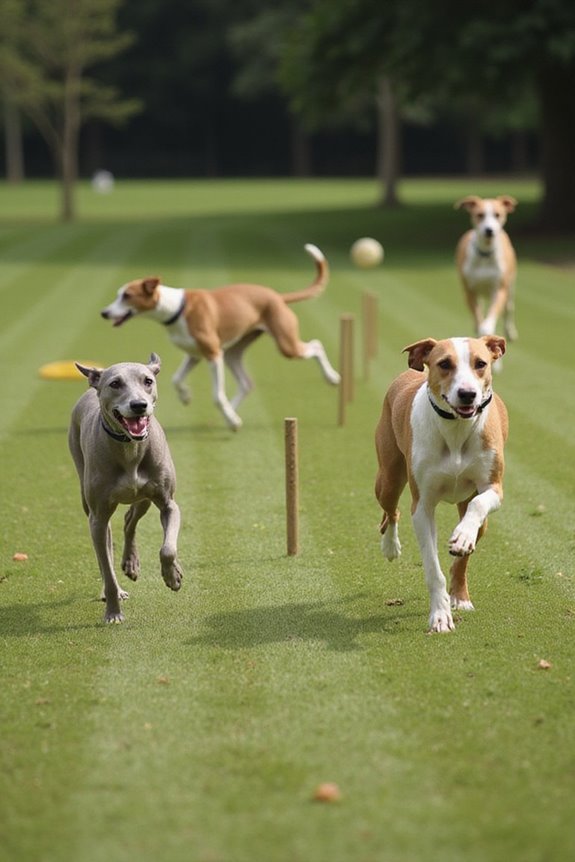
- Social Interaction: Dog parks and playdates can enhance emotional well-being by preventing isolation.
- Routine: Consistent exercise schedules support mental sharpness and reduce anxiety, making it critical for our older whippets’ cognitive health. Regular exercise can be supplemented with high-quality protein content, which aids in maintaining overall health and energy levels.
Veterinary Consultation and Safety Precautions
Before engaging in any new exercise program for our older whippets, it’s essential to consult with a veterinarian. Regular health assessments help us understand our pets’ overall health, identifying conditions like heart disease or osteoarthritis that could affect their exercise capacity.
- Veterinary guidance allows us to develop a customized exercise regimen tailored to each dog’s health status and limitations.
- It’s vital to discuss any dietary adjustments needed to support their increased energy needs during exercise, as essential vitamins and minerals are important for overall health.
- Monitor our whippets for signs of fatigue, ensuring we adjust the intensity or duration accordingly.
Environment and Space for Effective Exercise
Creating an appropriate environment for older whippets is essential for their exercise routine and overall well-being. Here are key considerations for both outdoor and indoor spaces:
- Outdoor safety: Guarantee secure fencing to prevent escapes and assess the area regularly for hazards.
- Varied terrain: Choose locations with different surfaces to promote both physical and mental exercise.
- Indoor agility: Clear indoor spaces of obstacles and provide enough room for activities like fetch.
- Safe surfaces: Use flooring with good traction to prevent slips while accommodating their joints.
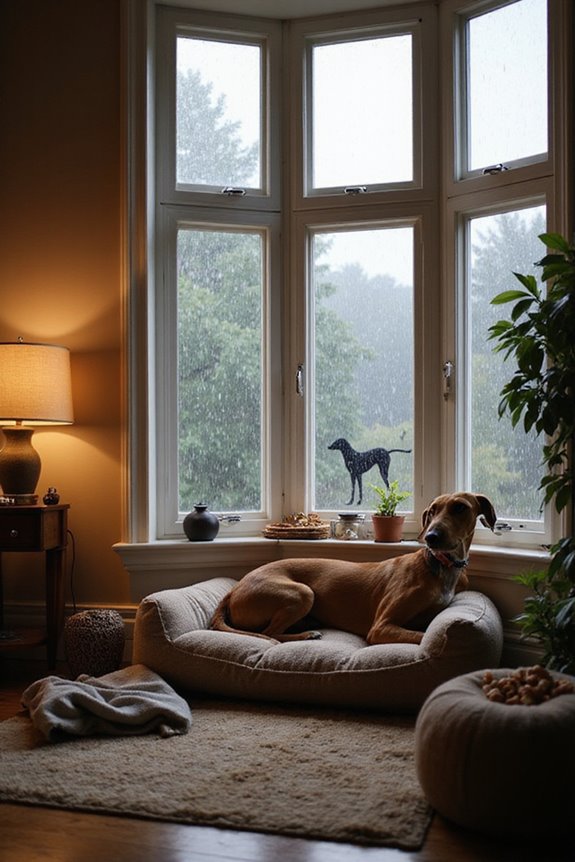
- Climate control: Exercise during mild weather and provide shade or blankets when necessary, guaranteeing hydration access at all times.
Recommended Products

MATERIALS: Made of high quality synthetic material,superior resilience and durability,Constructed of the highest quality polyethylene and poly polypropylene yarns,Altruistic Artificial Grass has four realistic tones and 1 3/8" pile height, similar to real grass, stands upright without filler.

NATURAL ARTIFICAL GRASS -Consists of high density grass silk, anti-aged woven cloth, 2-layer backing and premium rubber. 1.38" grass height, 75 oz weight per square yard. 4 tone colors looks like natural grass, offering a green garden enjoyment for you.

NON SLIP GRIP: Safety is a top priority, and that's why the bottom of our mat features a durable rubber backing. This anti-skid design ensures that the grass stays securely in place, offering slip resistance on any floor surface. You can move around freely without worrying about any unwanted slips or slides.
Equipment and Gear for Older Whippets
When it comes to exercising older whippets, having the right equipment and gear is vital for promoting their comfort and safety.
- Harness Selection: Choose supportive harnesses with padded straps to reduce strain on their muscles and joints. Proper fit is fundamental; harnesses should be snug but allow full mobility and breathing. Lightweight materials help prevent fatigue.
- Fitness Gear: Incorporate tools like plyo boxes for controlled movement and balance improvement. Use treat-dispensing chew balls to engage their minds while exercising. Soft mats guarantee safety on hard floors, while adjustable step stools encourage low-impact activity.
- Treadmills: Opt for miniature treadmills with low-speed settings and safety features. This controlled environment is ideal for maintaining activity levels.
Prioritizing comfort with the right gear maximizes our older whippets’ exercise experience.
Signs of Fatigue or Distress During Exercise
Recognizing signs of fatigue or distress in older whippets is key to ensuring their wellbeing during exercise. Here are some signs to watch for:
- Physical Signs: Excessive panting, reluctance to continue, staggering gait, drooping ears or tail, and spontaneous lying down indicate fatigue.
- Behavioral Changes: Vocalizing unusual sounds, avoidance behaviors, loss of interest in toys, shaking, and irritability suggest distress.
- Physiological Adaptations: Monitor elevated heart rate, dehydration (dry gums, sunken eyes), excessive drooling, and unusual gum coloration which may signal serious issues.
- Heat-Related Stress: Rapid panting, flushed gums, disorientation, and gastrointestinal upset after exercise warrant immediate attention.
Adapting Activities to Individual Needs
Adapting activities to meet the individual needs of older whippets is essential for their health and happiness. We should consider their unique physical capabilities and health status when planning exercise. Consult a veterinarian for tailored advice, especially regarding arthritis or joint concerns.
Key adjustments include:
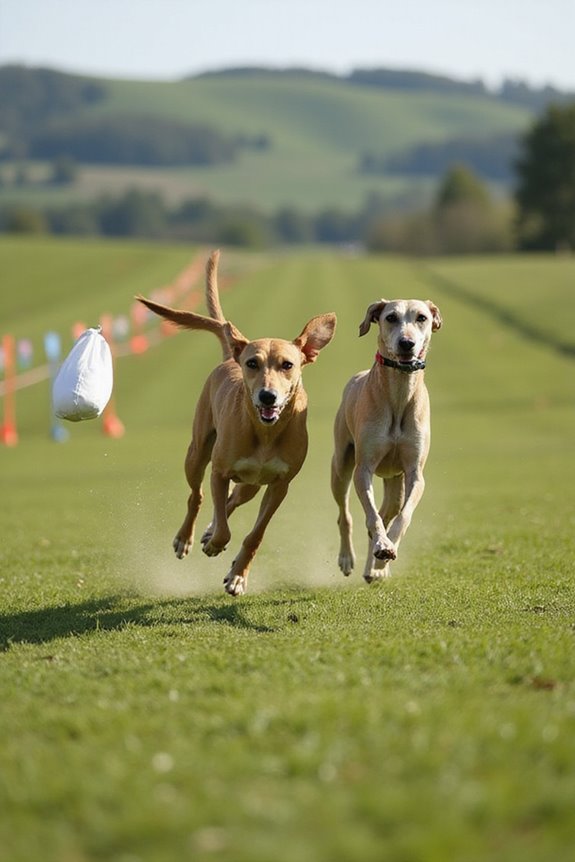
- Modifying exercise intensity and duration, focusing on low-impact activities like leash walking or swimming.
- Scheduling walks during cooler parts of the day to prevent overheating.
- Incorporating short, moderate exercise bursts alongside mental stimulation through games.
Frequently Asked Questions
How Can I Motivate My Older Whippet to Exercise?
To motivate our older Whippet to exercise, let’s establish enjoyable exercise routines with positive reinforcement. Incorporating treats and praise will encourage engagement, making our time together fun while keeping our furry friend active and happy.
Are There Specific Toys Suitable for Senior Whippets?
Haven’t we all wondered what toys are best for our senior whippets? Soft toys and interactive games keep them engaged mentally and physically, ensuring they enjoy playtime while staying safe and comfortable in their golden years.
Can Older Whippets Swim Alone Without Supervision?
No, older whippets can’t swim alone safely. We must prioritize swimming safety by supervising them and following whippet swimming tips to prevent fatigue and guarantee they’re monitored while enjoying the water’s benefits.
What Signs Indicate My Whippet Enjoys Exercise?
We can tell our whippet enjoys exercise by their active tail wagging, enthusiasm to play, and relaxed post-exercise demeanor. Regular engagement brings health benefits, keeping them happy and healthy, while ensuring proper exercise frequency.
How Can I Manage My Whippet’s Excitement During Walks?
Like a conductor guiding an orchestra, we can manage our Whippet’s excitement through leash training and calming techniques. By incorporating structure, consistent rewards, and mindful breaks, we create a peaceful symphony during our walks.