As an Amazon Associate, we earn from qualifying purchases. Some links on this site are affiliate links at no extra cost to you. Our recommendations are based on thorough research and editorial judgment.

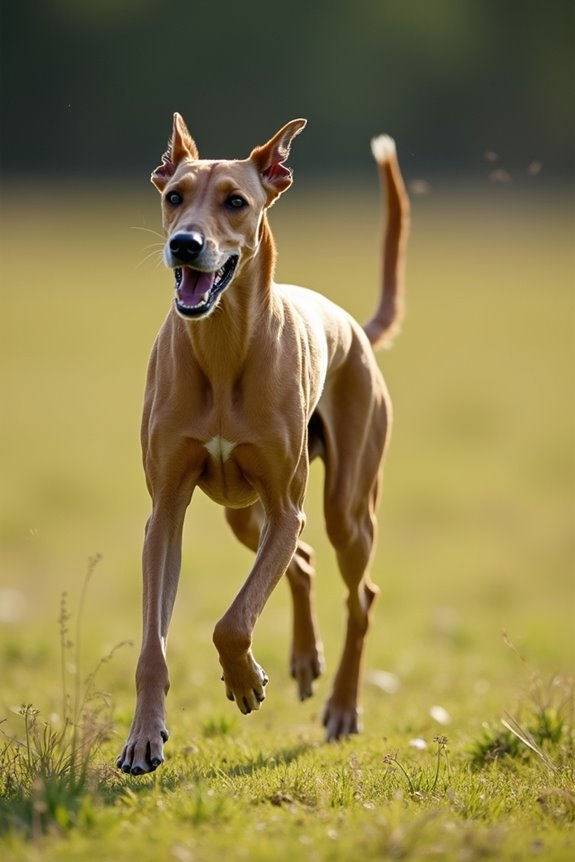
How Should I Train Recall In Sighthounds?

To train recall in sighthounds effectively, we should create a safe training environment first. This means using secure spaces, like enclosed gardens, and ensuring our long lines are non-retractable. Next, we’ll establish attention cues with high-value rewards for eye contact. Consistency is key; we need uniform recall commands across all family members. As we progress, we can gradually introduce distractions, ensuring our sessions are brief and engaging. This approach sets our sighthounds up for successful recall. More insights await us on enhancing our training strategy further.
Key Takeaways
- Establish a unique recall cue and consistently use it to reinforce the desired behavior during training sessions.
- Use high-value treats for motivation, rewarding immediately upon successful recall to strengthen the behavior.
- Train in quiet, secure areas to minimize distractions, gradually increasing difficulty as the dog improves.
- Involve family members in training to ensure uniform reinforcement of commands and cues for consistency.
- Keep training sessions brief to maintain focus and prevent frustration, incorporating recall practice into daily activities.
Setting Up a Safe Training Environment
When we’re setting up a safe training environment for our sighthounds, it’s crucial to prioritize security and control. We should choose a securely fenced garden or an enclosed area to prevent escape, inspecting for any gaps regularly. Starting our training in quiet, distraction-free environments helps build reliable recall. Here’s how we can guarantee environmental safety:
- Avoid off-lead exercise near hazards like roads or livestock.
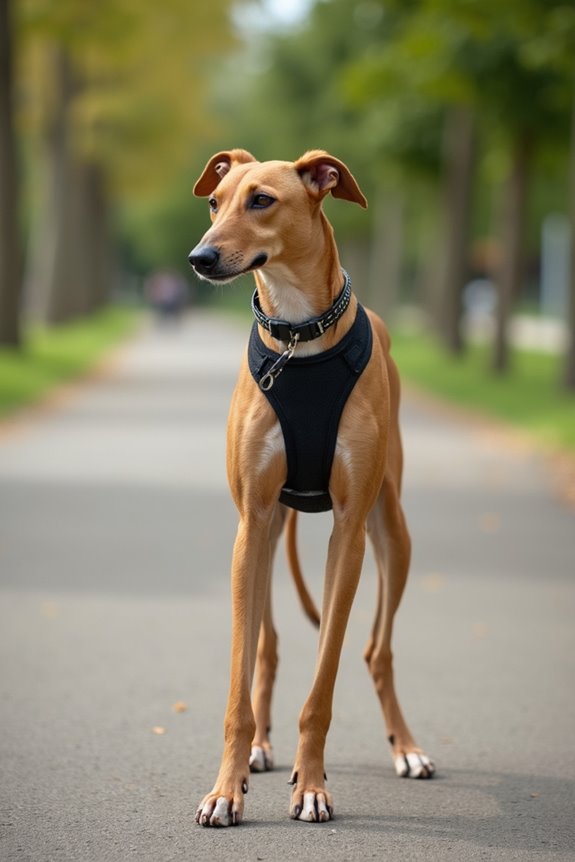
- Use properly fitted harnesses instead of collars to minimize injury, especially with the use of escape proof harnesses to ensure secure fit.
- Employ a long line, confirming it’s not retractable for better control.
- Gather excess line in loose loops to prevent injury if our dog bolts.
Establishing Basic Attention and Eye Contact

Establishing a foundation for attention and eye contact is essential for successful training with our sighthounds. Given their short attention spans, we must utilize effective eye contact techniques to capture their engagement. Here are key strategies to enhance attention:
- Use high-value rewards to lure their gaze toward us.
- Capture spontaneous eye contact and mark it immediately with a verbal cue or clicker, followed by a reward.
- Position ourselves at the dog’s eye level to encourage direct engagement.
- Keep training sessions brief to prevent frustration and sensory overload.
- Understanding the importance of early socialization can further enhance their responsiveness during training.
Facilitating Early Off-Lead Experiences
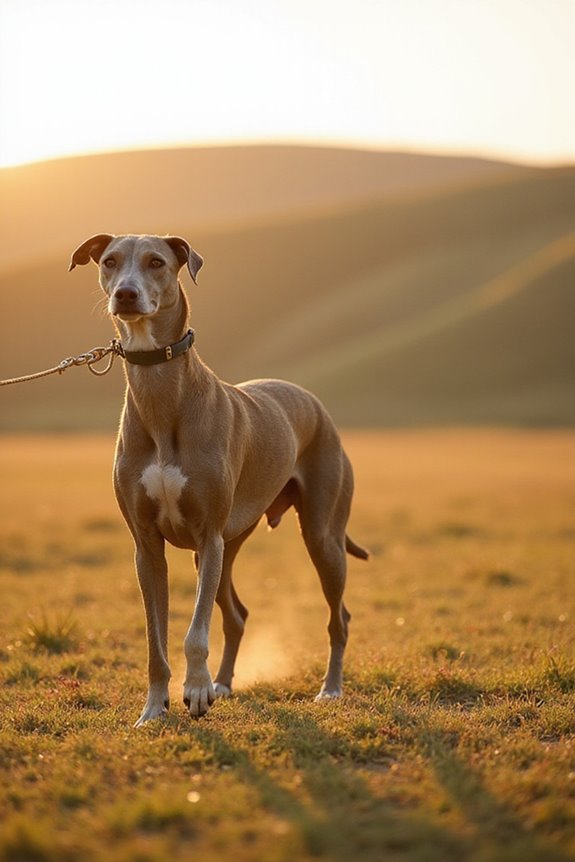
To facilitate successful off-lead experiences, it’s vital to begin in controlled settings that promote safety and focus. We recommend starting in secure locations, such as fenced yards or indoor spaces, ensuring minimal danger for both the dog and handler.
- Use long leads for safe off-lead exploration while providing a gradual adjustment to full freedom.
- Choose environments devoid of high-value distractions, then slowly introduce challenges as the dog demonstrates reliable recall.
- Frequent short sessions in varied safe areas foster better skill generalization.
- Begin recall training at short distances, gradually increasing as the dog succeeds. Additionally, consider the use of escape-proof designs in harnesses to enhance safety during training sessions.
Recommended Products

ERGONOMIC MOVEMENT DESIGN: Our reflective dog harness features an ergonomic Y-shaped neck construction that supports free shoulder movement and helps minimize breathing constraints. The design of our small dog harness allows your dog to move naturally and efficiently during running, biking, skiing and other dog-powered sports.

[Sizing Information] Our tactical harness for large dogs is crafted from Durable 1000D Nylon with Plush Padding for a comfortable fit. M: Neck 16"-23"; Chest 24"-32"; Back Length 16"; Weight Range: 30-60 lbs. L: Neck 18"-25"; Chest 27"-36"; Back Length 17.5"; Weight Range: 60-90 lbs. XL: Neck 20"-29"; Chest 31"-40"; Back Length 19"; Weight Range: 85-140 lbs.

BUILT FOR DOGS ON THE GO. Lightweight, minimalist design helps your dog move freely on walks, hikes, or runs. Great for small, medium, and large dogs who crave comfort, mobility, and off-leash-like freedom.
Effective Reward and Recall Cue Strategies
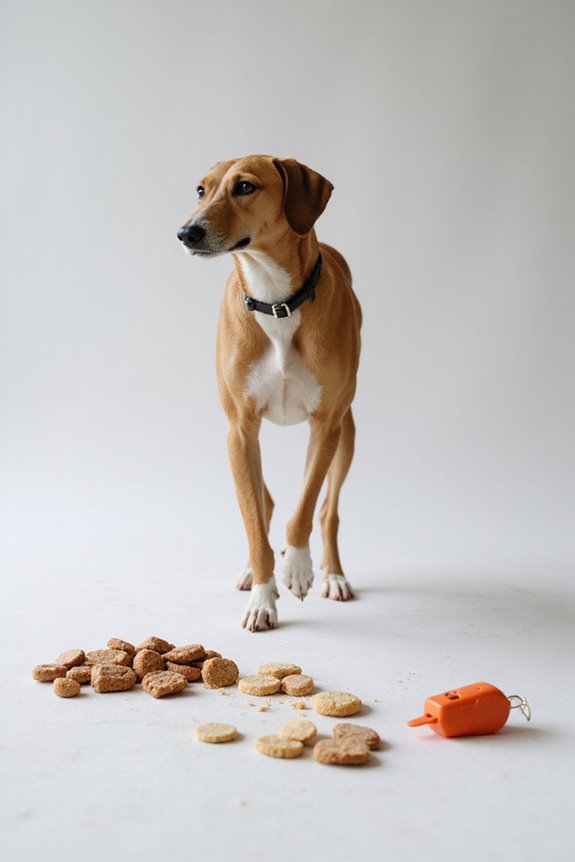
Successful off-lead experiences hinge on effective communication between handler and sighthound, particularly through recall cues and rewards. To establish clear recall techniques, we should choose a unique cue word or sound that’s not used in daily conversation. Consistency is key; we must always use the same cue in all situations to avoid confusion.
To maintain engagement, we can implement reward variation. Identifying high-value rewards tailored to our sighthound, such as delicious treats or engaging play, enhances motivation. Reserving the most enticing rewards exclusively for recall helps form strong associations. Additionally, delivering rewards immediately upon successful recall reinforces the behavior, especially when distractions increase. By fostering positive and exciting interactions, we build a solid foundation for reliable recall in any environment. Using a durable leash during training sessions can also help manage your sighthound’s excitement and improve recall under various conditions.
Recommended Products

FREEZE-DRIED DOG FAVORITE: Indulge your pup with our freeze-dried chicken dog treats! Whole Life Pet's single-ingredient dog treats preserve the pure taste of chicken, offering a natural, wholesome treat without any unnecessary additives or fillers.

The information below is per-pack only

The information below is per-pack only
Understanding Sighthound Behavioral Traits
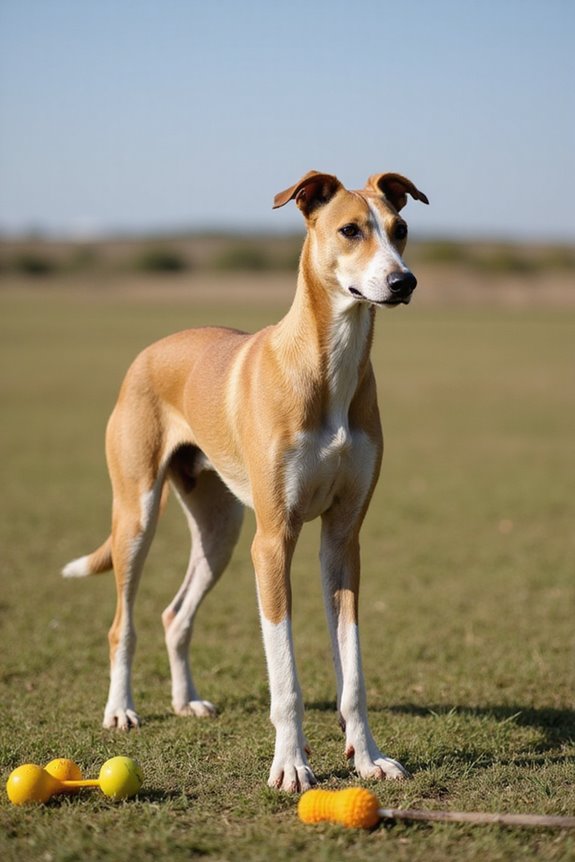
Understanding the behavioral traits of sighthounds is essential, as these unique characteristics greatly influence their training and overall care.
- Sighthound Temperament: They are generally calm, loyal, and independent but can appear aloof with strangers. Gentle handling and positive reinforcement are vital due to their sensitivity.
- Prey Drive: Sighthounds possess a high prey drive, primarily driven by visual stimuli. This instinct results in quick, powerful sprints, making recall training particularly challenging.
- Physical Traits: Their streamlined bodies and exceptional eyesight enhance their hunting capabilities, requiring secure environments for safe exercise. Additionally, their overall well-being can benefit from a high-protein diet, which helps maintain their energy and muscle development.
Implementing Emergency Recall Training
Implementing emergency recall training for sighthounds is an essential step in ensuring their safety and responsiveness, especially given their high prey drive.
- Start in a distraction-free setting, like home or the garden, to foster focus.
- Use a distinctive emergency cue that signifies urgency, separate from regular commands.
- Pair this cue with high-value rewards, like frozen meatballs, provided rapidly for about 30 seconds.
- Immediately grasp your dog’s collar upon cue to mimic real-life scenarios, preventing surprises.
- Practice daily, gradually increasing distance and introducing varied environments to build reliability.
- Incorporate game-like elements while maintaining a brisk pace in sessions, enhancing engagement.
- Consider utilizing a Gentle Dog Head Collar as a training aid, promoting comfort and reducing pulling during training sessions.
Through structured training and a dedicated approach, we can boost our sighthounds’ emergency recall abilities considerably.
Recommended Products

Veteran-Designed Excellence: The INVIROX Ultra K9 Dog Training Collar provides 124 levels for precise control over reactive, stubborn, or hard-to-train dogs. Engineered by veterans, it allows you to tailor stimulation to your dog's unique temperament, unlike typical collars with limited settings

EFFECTIVE TRAINING TOOL: Rounded tips on martingale style collar offer gentle, effective control for obedience training. Free training guide and online video included through Starmark
Building Recall Reliability Through Consistency
Building recall reliability in sighthounds hinges on our commitment to consistency throughout the training process. To establish this, we must:
- Schedule daily training sessions to build routine and clear expectations.
- Use the same recall cue word or whistle consistently to avoid confusion.
- Start training in low-distraction environments, maintaining consistent surroundings initially.
- Keep sessions short, ending on a positive note to encourage future engagement.
In addition, immediate reward timing is important. We should reward each successful recall response with high-value treats or praise, creating strong positive associations. Fading rewards gradually while maintaining intermittent reinforcement will also help sustain reliability. By firmly implementing cue consistency and reward timing, we’ll lay a solid foundation for reliable recall in our sighthounds.
Recommended Products

Wild-Sourced Protein: Our treats are made from all-wild roaming elk and deer protein, sustainably harvested from the Rocky Mountains, offering your dog a unique and premium nutritional experience

DUCK TRAINERS - Our Duck Trainers are humanely-raised easy-break, bite-sized duck jerky treats for dogs that all breeds can consume, all sizes and all ages. Use them as dog training treats, rewards, or simply as snacks for your furry best friends. These duck strip bites are available in a convenient 4.5 ounce pack.

Lots of flavor, not fillers: Just two simple, all-natural ingredients mean low calories and high nutritional value, making a tasty but healthy treat that your pup will actually love
Managing Distractions During Training
To effectively manage distractions during training, we need to carefully select environments and strategies that foster focus.
- Start recall training in quiet, secure outdoor areas with minimal distractions.
- As we maintain control using a long line, we can gradually increase distance while allowing safe exploration.
- Initially, avoid busy parks or settings with heavy dog populations.
To improve focus, we can introduce controlled distraction types, such as quiet movement or distant animals. Incorporating focus exercises like “watch me” can redirect attention back to us when needed. By rewarding high-value treats immediately upon a successful recall, we reinforce the behavior, making recall more appealing than other distractions. Consistently practicing these techniques helps build a reliable recall response over time.
Recommended Products

Healthy Bully Sticks for Dogs - Meaty dog treats with a taste and texture dogs can't resist, Thick 12 Inch

Healthy Bully Sticks for Dogs - Meaty dog treats with a taste and texture dogs can't resist, Thick 6 Inch

Healthy Dog Treat - Fully digestible lamb lung is suitable for any size dog
Recognizing Individual Differences in Sighthounds
Recognizing individual differences in sighthounds is essential for effective recall training, as each dog brings its own set of traits and tendencies. Understanding how prey drive variability affects our dogs is vital, as some may exhibit a high level of drive while others show less interest.
- Individual motivation to engage with us often varies, with many sighthounds needing high-value rewards to inspire cooperation.
- Their unique temperaments and learning styles play significant roles in shaping training effectiveness.
- For instance, Greyhounds and Borzois may respond differently to visual distractions, impacting their ability to focus during recall sessions.
Incorporating Recall Training Into Daily Life
Incorporating recall training into our daily lives can considerably enhance our sighthounds’ responsiveness and overall safety. One effective method is to use daily motivation techniques, such as high-value treats, during routine activities.
- Practice recall while walking, calling our sighthound before crossing streets or shifting between tasks.
- Keep these training sessions short to guarantee focus and engagement.
- Encourage family involvement; everyone can practice the recall command, creating consistency in cues.
Frequently Asked Questions
How Long Does It Take to Train Sighthounds for Reliable Recall?
Training sighthounds for reliable recall can feel like an eternity—often taking over a year! Recall timelines demand our training consistency and dedication, gradually enhancing their response through practice and positive reinforcements in various environments.
Can I Use Playtime as a Reward for Recall Training?
Yes, we can use playtime as a reward for recall training! The benefits of playtime make training games enjoyable and engaging, ensuring our sighthounds respond to cues while reinforcing strong bonds during these fun sessions.
What Are Common Mistakes to Avoid in Recall Training?
We should avoid improper timing and overusing treats in recall training. It’s essential we reward immediately when our sighthound responds, ensuring they understand what we’re asking while keeping their motivation high with varied rewards.
How Can I Measure My Dog’s Recall Progress?
We can measure our dog’s recall progress by tracking recall benchmarks consistently. Monitoring performance during sessions, noting successes and failures, and adjusting our training plan helps guarantee we maintain consistency and effectively strengthen their recall skills.
Is It Advisable to Train Recall With Multiple Dogs?
Training recall with multiple dogs can be tricky due to the dynamics involved. We should guarantee each dog masters recall individually first; then, we can cautiously advance to group training to maintain focus and safety.