As an Amazon Associate, we earn from qualifying purchases. Some links on this site are affiliate links at no extra cost to you. Our recommendations are based on thorough research and editorial judgment.

What Are The Grooming Needs Of A Whippet? Problems

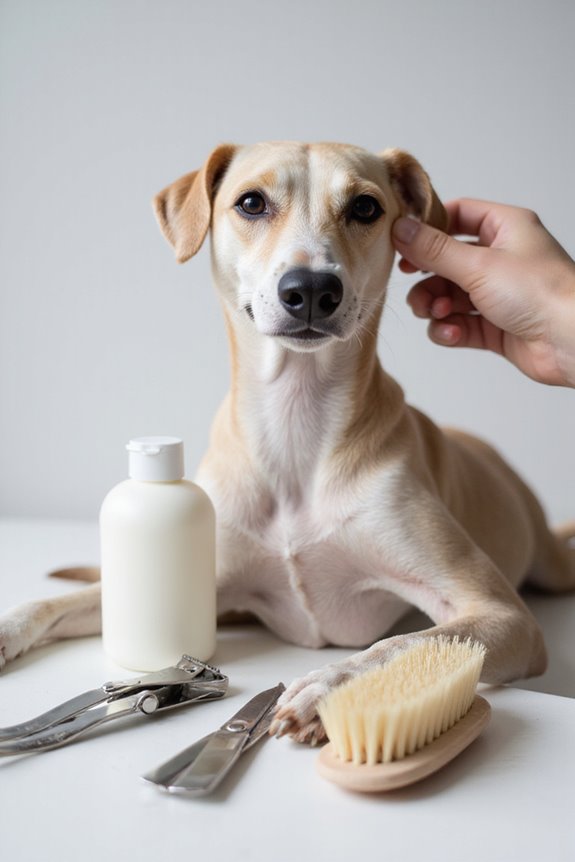
Whippets have distinct grooming needs that, when addressed properly, enhance their health and appearance. We should perform regular brushing sessions each week to maintain their short coats. Bathing every 2 to 3 months, along with nail trimming bi-weekly, helps prevent discomfort. Regular ear checks and dental hygiene practices are also essential for overall well-being. By paying attention to these needs, we can prevent common problems associated with neglect. There’s much more to explore in their grooming care.
Key Takeaways
- Weekly brushing is essential to maintain a Whippet’s coat, with increased frequency during shedding seasons to manage loose hair effectively.
- Bathing every 2 to 3 months is recommended, but overbathing can lead to dry skin; use mild shampoos for sensitive skin.
- Nail trimming every two weeks is necessary to avoid discomfort or overgrowth; scissor-type clippers allow for better control during trimming.
- Regular ear inspections prevent infections; use approved cleaning solutions and keep ears dry after swimming to reduce bacterial growth.
- Daily dental care, including tooth brushing and dental chews, is vital to prevent dental issues like gingivitis and periodontal disease.
Weekly Brushing and Coat Maintenance
When we consider the grooming needs of a Whippet, regular brushing stands out as an essential practice for maintaining their short and sleek coat. Weekly brushing is typically sufficient, while daily sessions during shedding seasons help with shedding management.
Key brushing techniques include:
- Using soft-bristled brushes or rubber grooming mitts to avoid skin irritation.
- Brushing once or twice a week, which aids in distributing natural oils, enhancing coat shine.
Benefits of consistent brushing include:
- The removal of loose hair and dead skin cells.
- Improved blood circulation, promoting overall coat health.
Additionally, maintaining a healthy diet with high-quality ingredients can further contribute to a shiny and healthy coat.
Bathing and Skin Care Considerations
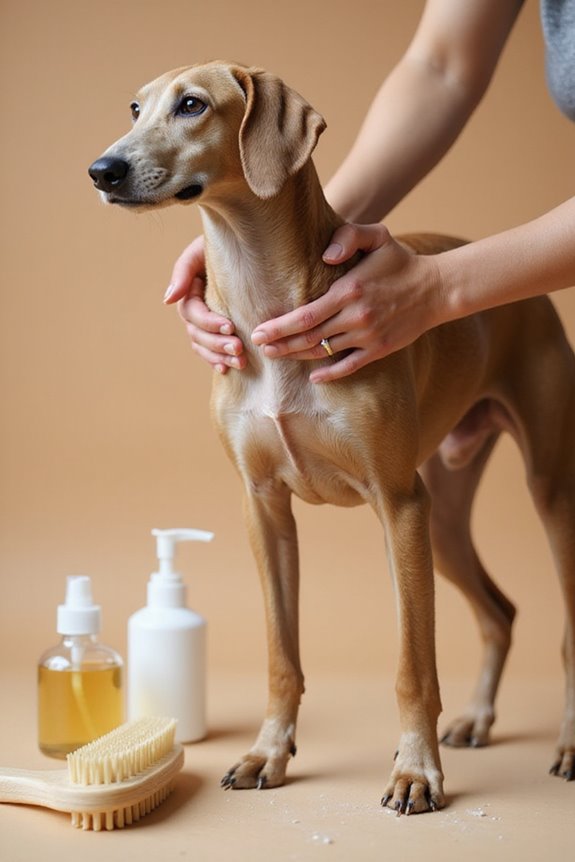
Addressing the bathing and skin care needs of a Whippet is essential for maintaining their overall health and comfort. Whippets typically require baths every 2 to 3 months, though this can be adjusted based on their activity level. It’s important to avoid overbathing, as this can strip natural oils and lead to dry skin.
When selecting shampoo, choose mild, dog-specific products designed for sensitive skin. Human shampoos can upset the skin’s pH, causing irritation. We recommend rinsing thoroughly to eliminate any residue that could lead to itching. To manage cleanliness between baths, a damp washcloth can effectively wipe away dirt. With proper care, we can keep our Whippets’ skin and coat healthy and comfortable. Additionally, choosing the right collar design, such as a martingale collar, can help ensure a secure and comfortable fit during walks, which contributes to overall skin health by preventing irritation from improperly fitting accessories.
Nail, Paw, and Hygiene Management
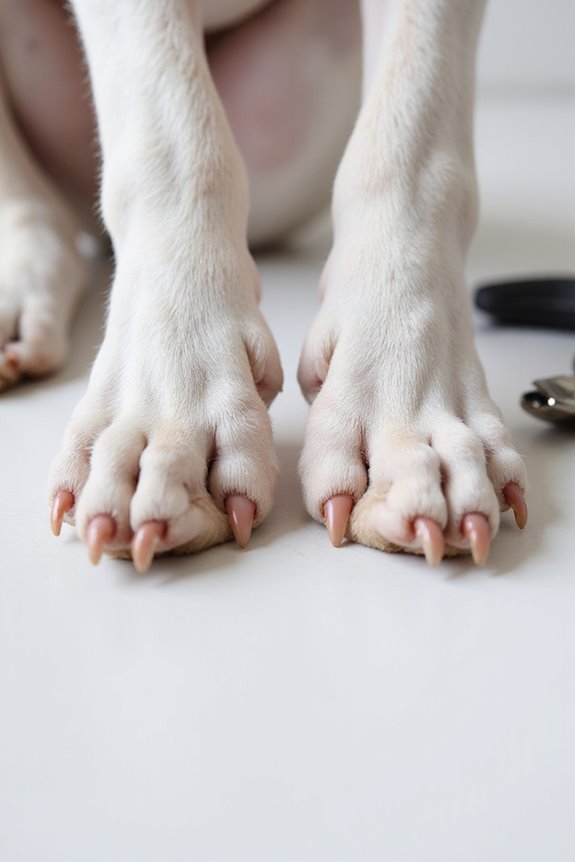
Nail, paw, and hygiene management are essential aspects of our Whippets’ grooming routine. Regular nail trimming every two weeks is critical to prevent overgrowth, discomfort, and potential injuries. If we hear our Whippet’s nails clicking on hard floors, it’s time to trim. We should use scissor-type clippers for better control, trimming around the quick to avoid pain.
During grooming, paw inspection is significant. We need to check for sores or infections, keeping the paw pads moisturized, especially in extreme weather. It’s important to remove debris stuck between pads to prevent irritation. After walks, we should wipe our Whippets’ paws to maintain hygiene, using only dog-safe cleansing products for their tender skin. Furthermore, introducing a cushioned bed into their routine can enhance overall comfort and contribute to their well-being.
Ear and Eye Health Practices
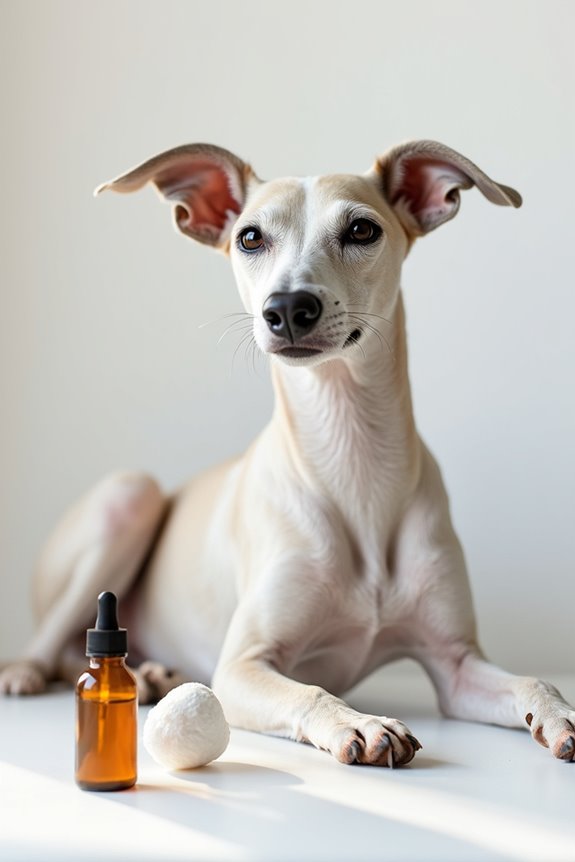
In addition to regular nail, paw, and hygiene management, maintaining our Whippets’ ear and eye health is essential for their overall well-being. We should regularly inspect their ears, looking out for dirt and signs of ear infections, like redness or discharge. Using veterinary-approved ear cleaners helps keep irritants at bay, but we must avoid inserting objects deep into the ear canal.
To prevent ear infections, we’ll manage allergies effectively. Keeping our Whippets’ ears dry after swimming is vital, as moisture can lead to bacterial growth. Additionally, we should schedule periodic veterinary ear exams to guarantee their ears remain healthy. By following these practices, we enhance our Whippets’ quality of life and promote their overall well-being. Incorporating a nutritional balance in their diet through freeze-dried foods also supports their immune system, which can help in preventing ear health issues.
Dental Hygiene and Its Importance
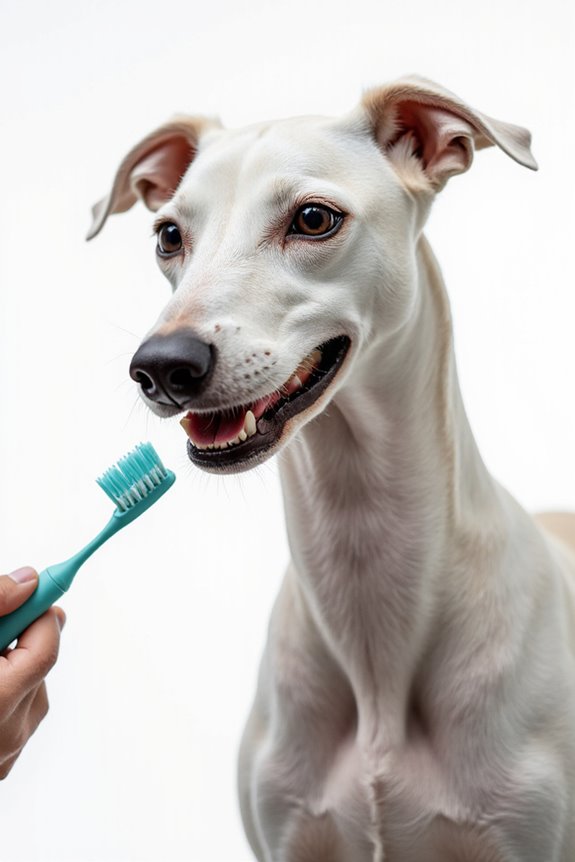
Maintaining strong dental hygiene is essential for our Whippets, especially given their unique anatomical features that predispose them to dental issues. Whippets often face a higher prevalence of dental diseases, including overcrowding, gingivitis, and periodontal disease.
We should practice regular dental care by:
- Brushing their teeth daily to minimize plaque and tartar buildup.
- Scheduling professional dental cleanings to address any inadequacies in home care.
- Providing specially formulated dental chews as adjuncts to brushing.
Preventive care can help detect early signs of dental problems, reducing the likelihood of severe conditions like tooth loss or infections. By being proactive about dental hygiene, we guarantee our Whippets maintain healthier mouths and overall wellbeing. Additionally, incorporating high-quality proteins in their diet can contribute to better overall health, which may indirectly benefit their dental hygiene.
Frequently Asked Questions
How Often Should I Take My Whippet to a Professional Groomer?
We should take our Whippets to a professional groomer every 8-12 weeks, adjusting the grooming schedule based on their activity and environment. Regular professional care helps maintain their coat and overall health.
What Tools Are Best for Grooming Sensitive Areas on My Whippet?
Grooming our Whippets is like nurturing a delicate flower; we need the right tools. For sensitive areas, we recommend soft grooming mitts, the FURminator, and blunt scissors to guarantee gentle, safe care for our beloved pets.
Can Whippets Have Allergies Affecting Their Grooming Needs?
Yes, Whippets can have allergies affecting their grooming needs. We should watch for allergy symptoms like itching or redness, and adjust our grooming routine to accommodate any grooming allergies they may experience for their comfort.
How Can I Help My Whippet Enjoy Grooming Sessions More?
Did you know 85% of dogs thrive on positive reinforcement? To help our Whippet enjoy grooming, we should use grooming rewards like treats, keep sessions short, and create a calm environment to foster relaxation and trust.
Are There Specific Signs That Indicate a Grooming Problem in Whippets?
We can spot grooming problems in Whippets by observing signs like persistent itching, skin conditions, or unusual behaviors during grooming. Using gentle techniques helps address these concerns while ensuring our furry friends feel comfortable.