As an Amazon Associate, we earn from qualifying purchases. Some links on this site are affiliate links at no extra cost to you. Our recommendations are based on thorough research and editorial judgment.

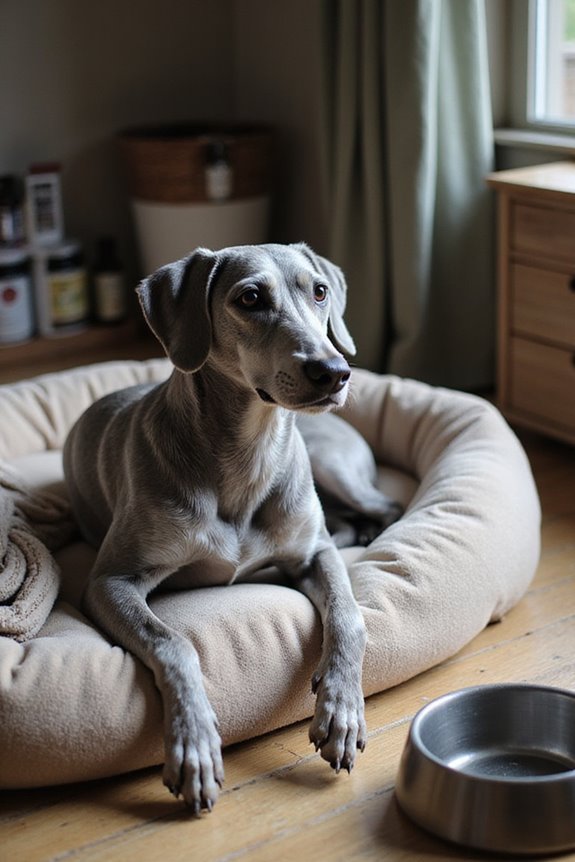
How Can I Ensure Quality Of Life For Aging Whippets?

To guarantee quality of life for aging Whippets, we must focus on various essential aspects:
- Regular veterinary check-ups help identify issues like arthritis and cardiovascular conditions early.
- A balanced diet with high-quality proteins and low calories supports their health while preventing obesity.
- Comfortable bedding and safe environments reduce stress and promote mobility.
- Engaging activities and consistent routines enhance cognitive function.
By addressing these key areas, we can provide a loving, supportive atmosphere for our beloved pets. Explore more strategies to enrich their lives.
Key Takeaways
- Schedule regular veterinary check-ups for early detection and management of age-related health issues, including cardiovascular and musculoskeletal conditions.
- Provide a balanced diet with high-quality proteins and Omega-3 fatty acids while regulating caloric intake to maintain a healthy weight.
- Create a comfortable living environment with orthopedic dog beds, shaded areas, and safe spaces to move freely and rest.
- Engage in daily low-impact exercises to support muscle maintenance and prevent joint stress while keeping mental stimulation through interactive toys.
- Monitor cognitive health closely, establishing stable routines and considering supplements to support aging brains while providing a low-stress environment.
Understanding Common Geriatric Health Issues in Whippets
As our Whippets age, it’s vital to understand the common health issues they may face. Some of the most prevalent concerns include:
- Arthritis and Musculoskeletal Conditions: They may experience joint pain and stiffness, impacting mobility. Maintaining warmth can alleviate discomfort, and providing orthopedic dog beds can support their joints and enhance overall comfort.
- Cognitive Decline: Older Whippets can show signs of confusion and lapses in attention, resembling senility. This affects their overall quality of life.
- Autoimmune Disorders: Conditions like Immune-Mediated Hemolytic Anemia can arise, where the body mistakenly attacks its red blood cells. Urgent veterinary care is essential for managing these disorders.
Recognizing and Managing Cardiovascular Conditions
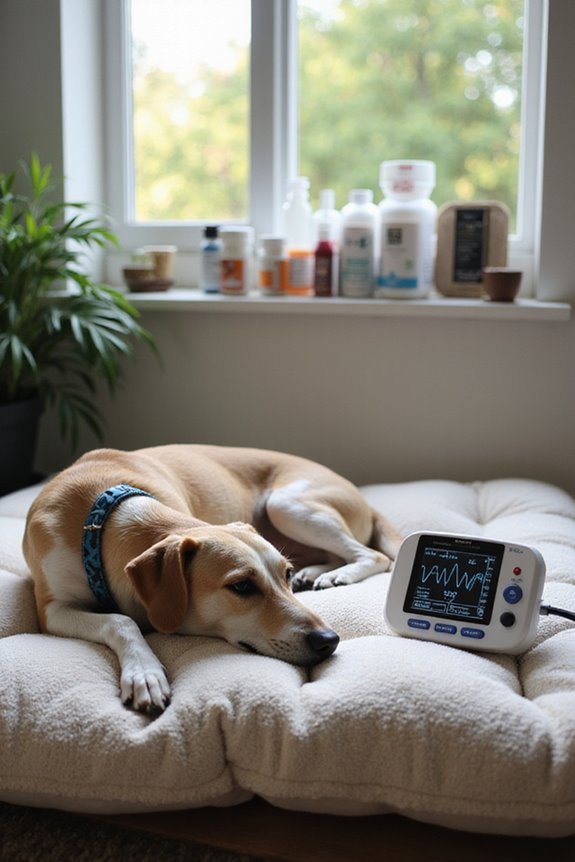
Recognizing cardiovascular conditions in aging Whippets is essential for maintaining their quality of life, especially given their unique heart anatomy and genetic predispositions. Their hearts naturally have larger dimensions, requiring breed-specific cardiac screening to avoid misdiagnosis. Mitral Valve Degeneration (MVD), common in this breed, can lead to severe complications if not monitored.
To manage arrhythmias effectively, we should schedule regular veterinary check-ups, as symptoms can be subtle at first. Early detection through echocardiography is vital. High-quality proteins are essential for supporting heart health in these dogs.
Key indicators to observe include:
- Heart murmurs
- Exercise intolerance
- Coughing
Supporting Musculoskeletal Health and Mobility
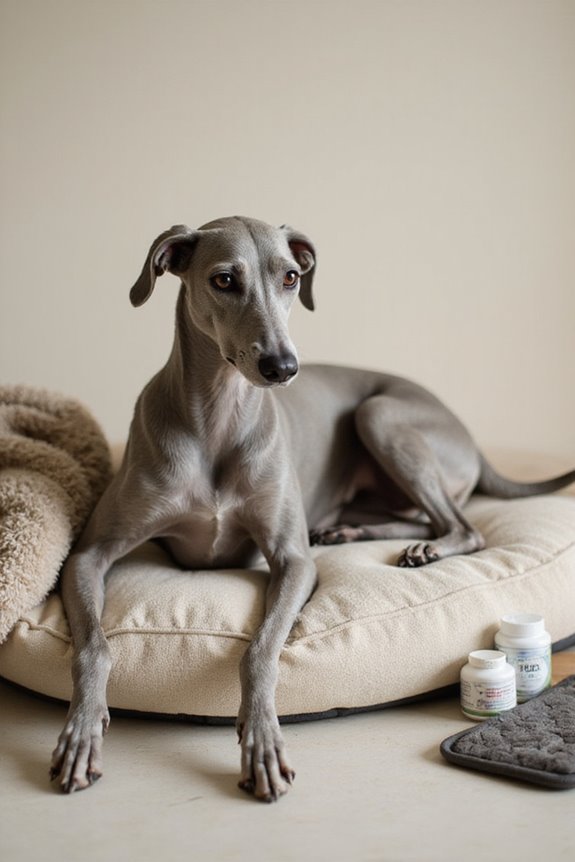
Supporting the musculoskeletal health and mobility of aging Whippets is essential for their overall well-being. We should focus on muscle maintenance and develop regular exercise routines that promote joint flexibility and strength.
- Maintain proper weight with breed-appropriate nutrition to protect joints and prevent obesity.
- Engage in daily, low-impact activities like walking and gentle play, which enhance muscle tone while reducing injury risk.
- Monitor for signs of arthritis, providing comfort through supportive bedding and warmth.
- Regular veterinary check-ups are vital for early detection of muscle loss or excessive weight gain. Additionally, incorporating high-quality ingredients in their diet can significantly support overall health and vitality.
Recommended Products

NATURE'S JOINT SUPPORT, BACKED BY SCIENCE: Built on our proprietary Canine Complete whole food foundation, trusted since 1998, with vitamins, minerals, fatty acids, digestive enzymes, prebiotics, and probiotics to support healthy joints.

MEDIUM BREED DOG FOOD: Royal Canin Medium Adult Dry Dog Food for medium dogs 1 year to 7 years weighing 23 to 55 lbs

GIVE YOUR DOG RELIEF FROM PAIN CAUSED BY AGING, HIP DYSPLASIA OR ARTHRITIS: Winston’s Joint System uses three all-natural supplements to help repair your dog’s body. It provides relief from hip dysplasia, arthritis and greatly reduces stiffness and inflammation while supporting mobility for a healthy lifestyle in dogs of all sizes.
Addressing Sensory and Neurologic Health Concerns
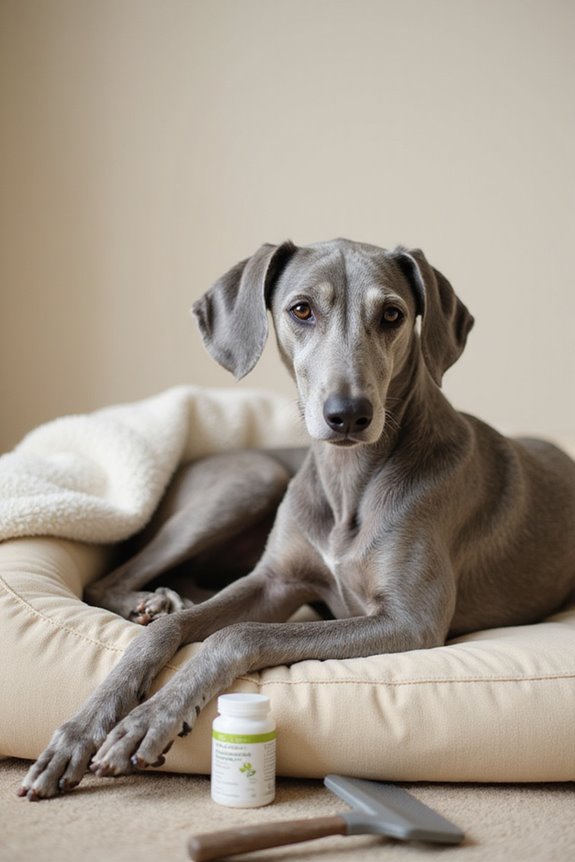
Addressing sensory and neurologic health concerns in aging Whippets requires a proactive approach, as these issues can greatly impact their quality of life. Key strategies include:
- Sensory adaptations: Creating a stable environment with consistent routines helps minimize stress. Enhancing lighting and reducing loud noises can support visually or hearing-impaired Whippets.
- Cognitive support: Regular veterinary check-ups are essential for monitoring cognitive decline. Supplements like Cholodin may offer some benefits, and incorporating regular exercise routines can further aid mental stimulation.
- Behavioral awareness: We should be alert to changes in temperament, as these can indicate neurologic issues.
Prioritizing Skin and Coat Care for Seniors
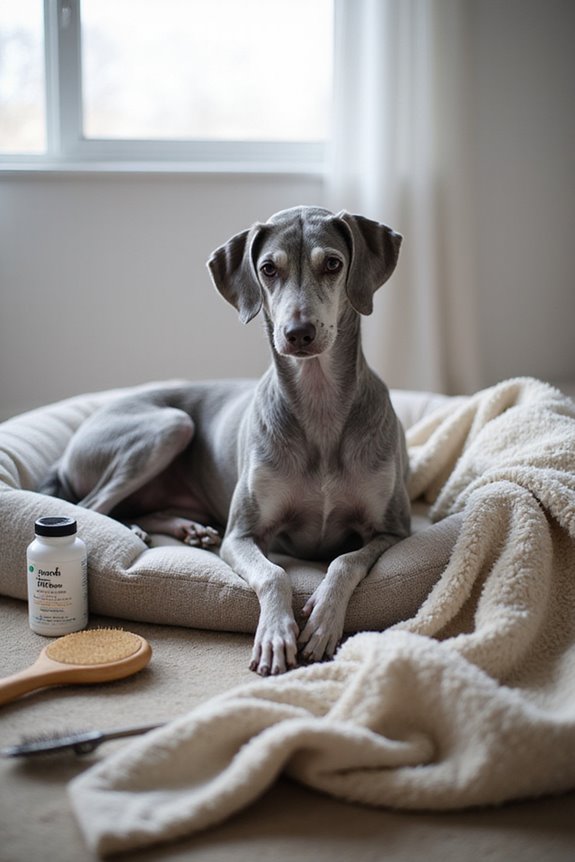
As our Whippets age, prioritizing their skin and coat care becomes crucial for maintaining their overall well-being. Regular coat maintenance is important; we should brush them once or twice a week using a grooming mitt or soft-bristle brush to minimize irritation on their sensitive skin. This process not only removes dead hair but also promotes healthy skin.
Avoid overbathing and opt for gentle dog-specific shampoos to prevent skin dryness. After outdoor play, we should thoroughly check for cuts or abrasions, as Whippets are prone to injuries due to their delicate skin. By being proactive in our grooming routine and protecting them from environmental hazards, we can guarantee our aging Whippets remain comfortable and well-cared for. Additionally, consider providing them with a comfortable dog bed to support their joints and enhance their overall comfort during rest.
Recommended Products

HEALTHY SKIN, SHINY COAT. Supports hydrated skin and a soft, glossy coat—so pets look and feel their best every day.

Natural recipes with added vitamins for dogs, minerals and nutrients made with real poultry and other high-quality sources of protein to support strong muscles

Healthy Breeds Omega HP is a high potency, veterinarian-recommended, comprehensive blend of essential fatty acids for your dog that are necessary for optimal health and must be obtained through their diet, as they are not produced in the body
Nutritional Adjustments for Aging Whippets
Nutritional adjustments play a significant role in enhancing the quality of life for our aging Whippets. We should focus on high-quality protein sources like chicken, beef, and fish, which support muscle maintenance without overloading their kidneys. A balance is vital, as protein may need slight reductions depending on our Whippets’ activity levels and health status.
In terms of fat management, incorporating healthy fats and Omega-3 fatty acids from sources like fish oil can help reduce inflammation and promote overall health. We must guarantee that fat content doesn’t exceed 20% of their diet to prevent obesity. Regular monitoring of caloric intake is also essential, as senior Whippets typically require around 800–1,000 calories daily, tailored to their needs. Additionally, including high-quality protein sources can aid in muscle retention while ensuring a healthy weight.
Recommended Products

High Potency EPA & DHA: Delivers concentrated omega-3 fatty acids with maximum bioavailability to support skin, coat, joint, and heart health in medium and large dogs.

Omega-3 Fish Oil Supplement: Wiley’s Finest Peak EPA delivers 750mg EPA and 250mg DHA for a total of 1,000mg high potency fish oil to support heart and joint health in one daily fish oil pill*

TASTE THE FRUIT, NOT THE FISH: Yummy fruity flavored fish oil with a creamy smoothie texture that both kids and adults love is the secret behind Barlean's Omega 3 fish oil liquid. 1500mg of EPA/DHA essential fatty acids per serving and no artificial flavors, colors or sweeteners. Our fish oil is dairy-free, sugar-free and non-GMO
The Importance of Preventive Care and Regular Check-ups
Preventive care and regular check-ups are essential for ensuring our aging Whippets maintain a high quality of life. Consistent veterinary visits allow us to monitor their health and adjust care plans as needed. Key aspects include:
- Preventive vaccinations against rabies, distemper, and parvo help fend off serious diseases, tailored to our Whippet’s lifestyle and local risks.
- Parasite control, including heartworm, flea, and tick prevention, is vital to combat infections that can compromise their health.
- Annual check-ups involve thorough assessments, enabling us to detect issues early, like heart disease or thyroid problems, through screenings and blood tests.
Promoting Comfort and Warmth
To promote comfort and warmth for our aging Whippets, we must consider various aspects of their living environment and daily routines.
- Comfortable bedding: Orthopaedic beds with fur-lined surfaces help support our Whippets’ joints, improving sleep quality. Heated bedding can be particularly beneficial for soothing arthritis pain.
- Warm accessories: Whippet-specific pajamas or coats provide essential warmth, as their thin coats make them sensitive to cold.
- Bedtime routines: Establishing calm, consistent bedtime routines helps minimize stress and promotes restful sleep.
- Environmental adjustments: Maintaining a steady indoor temperature and avoiding drafts is vital for their comfort. Placing multiple soft beds in quiet areas allows our Whippets to relax without straining their joints.
Recommended Products

PERFECT ORTHOPEDIC DOG BED FOR SENIOR DOGS: Ibiyaya Deep Sleep Orthopedic Dog Bed offers ultimate comfort and long-lasting support for dogs with orthopedic problems from age or injury. With the thick and high-density POE foam and breathable air fiber core,, your pets are able to enjoy deep sleep in this dog bed. It also features high-density foam bolster sides that protect your pet’s head and neck during their sleep.

Clinically proven benefits: In a University of Pennsylvania School of Veterinary Medicine study, large dogs showed reduced joint pain and improved mobility after sleeping on a Big Barke

Streamlined shape and contemporary design.
Creating an Engaging and Safe Environment
Creating a safe and engaging environment for our aging Whippets is essential, especially as they face unique challenges related to their mobility and health. To achieve this, we must focus on both safety measures and environmental enrichment.
- Establish a calm resting area with orthopedic beds to support arthritic limbs.
- Use non-slip surfaces to prevent falls and guarantee easy access to food and water.
- Secure hazardous items out of reach to avoid accidents.
- Incorporate mentally stimulating activities like puzzle feeders and gentle play.
- Always supervise outdoor time, making sure shaded areas are available to prevent overheating.
Recommended Products

Clinically proven benefits: In a University of Pennsylvania School of Veterinary Medicine study, large dogs showed reduced joint pain and improved mobility after sleeping on a Big Barke
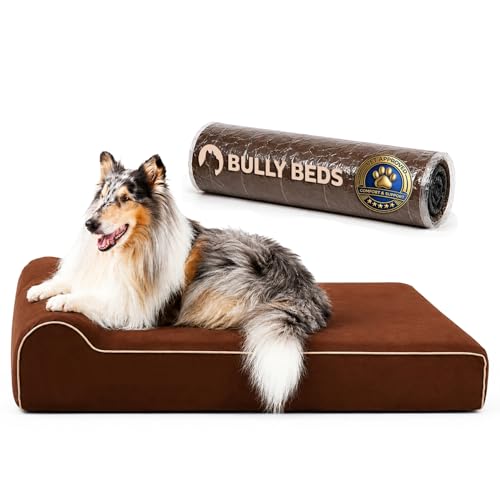
MEDICAL GRADE ORTHOPEDIC MEMORY FOAM DOG BED FOR JOINT RELIEF: This premium orthopedic dog bed is constructed with 4.5 lb medical-grade memory foam that contours precisely to your dog's body, distributing weight evenly to relieve pressure on joints, hips, elbows, and muscles. Ideal as a therapeutic dog bed for senior dogs, an arthritic dog bed for aging pets, and a firm orthopedic dog bed for large dogs recovering from injury or surgery. CertiPUR-US certified foam ensures every Bully Bed is completely safe, non-toxic, and built to the highest orthopedic standards available for dogs of every size and breed.

Clinically proven benefits: In a University of Pennsylvania School of Veterinary Medicine study, large dogs showed reduced joint pain and improved mobility after sleeping on a Big Barker orthopedic dog bed.
Frequently Asked Questions
How Can I Help My Whippet Cope With Anxiety as They Age?
We’ve got to be anxiety management ninjas! By using calming techniques like gentle exercise, routines, and relaxing environments, we can help our whippets tackle aging anxiety and feel like heroic companions again. Let’s do this together!
Are There Specific Toys Suitable for Senior Whippets to Keep Them Engaged?
Puzzle toys and interactive play options engage our senior whippets mentally and physically. They’re not just fun; they help stimulate cognitive function and keep boredom at bay, enhancing our furry friends’ well-being.
What Are the Signs of Depression in Aging Whippets?
We’ve noticed that our whippets may withdraw into their own cozy corners when they’re feeling down. Behavioral and emotional changes like decreased playfulness, increased clinginess, and subtle signs of confusion can signal underlying depression.
How Can I Choose the Right Bedding for My Senior Whippet?
Choosing the right bedding for our senior whippet means considering supportive materials that enhance sleep comfort. We should look for memory foam, washable covers, and temperature-regulating features to guarantee our furry friend rests well.
Can I Travel With My Elderly Whippet, and What Should I Consider?
Traveling with our elderly Whippet’s like starting on an adventure wrapped in love. We must prepare thoughtfully, ensuring comfort measures are in place—frequent breaks, familiar items, and all necessary travel preparations to keep our furry friend happy.