As an Amazon Associate, we earn from qualifying purchases. Some links on this site are affiliate links at no extra cost to you. Our recommendations are based on thorough research and editorial judgment.

When Should I Spay Or Neuter My Sighthound?

When it comes to spaying or neutering our sighthound, timing matters greatly. For larger breeds, like Irish Wolfhounds and Greyhounds, we should wait until they reach 18 to 24 months of age to guarantee proper development. Spaying or neutering too early might lead to joint issues and hormonal imbalances. It’s important to consult with a veterinarian for tailored advice, as this decision impacts both health and behavior. Further details on breed-specific considerations await your attention.
Key Takeaways
- Sighthounds generally mature later than small breeds; aim for spaying/neutering between 16 to 24 months, depending on the specific breed.
- Irish Wolfhounds should be spayed/neutered at least after 24 months to ensure proper growth and development.
- Scottish Deerhounds require neutering to be postponed until 18-24 months for optimal health outcomes.
- Early spaying/neutering can lead to increased risks of joint and hormonal issues, especially in larger sighthounds.
- Consult with a veterinarian for personalized recommendations based on your sighthound’s breed, health status, and developmental needs.
Understanding Sighthound Breeds
When we consider sighthound breeds, understanding their unique characteristics is essential for appreciation and proper care. These breeds display remarkable breed diversity, from the slender Italian Greyhound, averaging 33–38 cm tall, to the towering Irish Wolfhound, reaching 81 cm.
- Sighthound characteristics include deep chests, slim limbs, and lean bodies, all optimized for speed and agility.
- Their distinctive skull shapes enhance visual detection of prey, while specialized cardiovascular systems support high-speed pursuits.
- Coat types vary considerably, with breeds like the Afghan Hound boasting thick, long fur, contrasting with the short-haired Azawakh.
These features make sighthounds exceptional hunters and affectionate companions, requiring informed care to meet their specific needs. Proper understanding helps us appreciate their exquisite nature, especially their specific dietary requirements to promote optimal health and digestion.
General Timing Guidelines for Spaying and Neutering
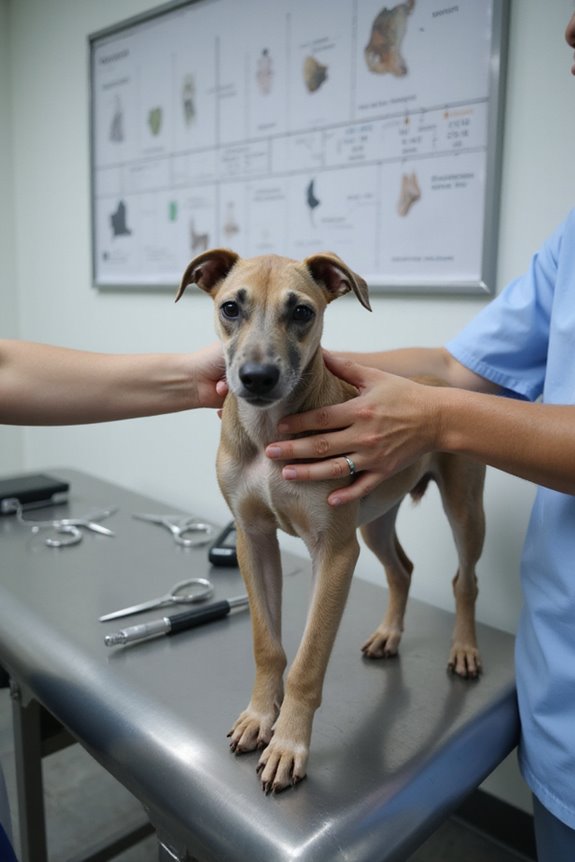
Understanding the timing for spaying or neutering sighthound breeds is vital for their long-term health and well-being. Several timing factors influence when it might be best to alter our dogs.
- Small and toy breeds often mature by 6 to 9 months, making that an ideal time for spaying or neutering.
- In contrast, larger breeds, including many sighthounds, may not mature until 16 to 18 months, suggesting we delay surgery until after this period.
- We should also consider breed differences; certain sighthounds are susceptible to joint disorders if altered prematurely.
- Consulting with our veterinary team can provide tailored recommendations based on breed, sex, and individual health, ensuring the best outcomes for our pets. Additionally, ensuring a high-quality diet can support their overall development during this critical period.
Specific Recommendations for Sighthounds
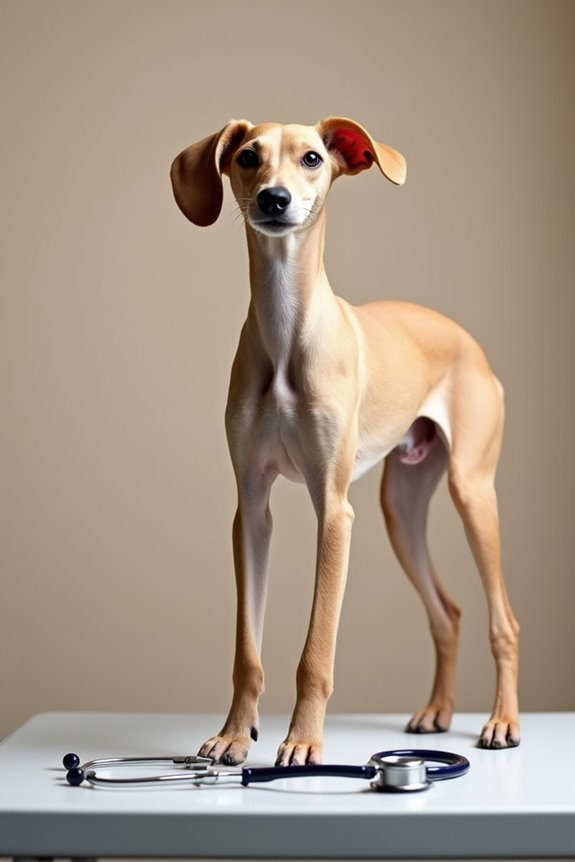
Making informed decisions about the timing of spaying or neutering sighthounds is essential to their health and development. Here are some specific recommendations based on growth patterns and hormonal influences:
- Irish Wolfhounds: Recommended to wait until at least 24 months due to their slow maturation and rapid growth.
- Scottish Deerhounds: Generally advised to delay neutering until 18-24 months for proper development.
- Large Sighthounds: Breeds like Greyhounds also benefit from delayed spay/neuter to minimize developmental issues. Additionally, delaying this procedure can help maintain optimal performance in racing dogs, allowing them to mature physically and mentally before the procedure.
It’s important to remember that early spaying or neutering can disrupt hormonal influences, impacting bone and joint development. By allowing our sighthounds to mature fully, we reduce the risk of orthopedic problems and promote healthier, more balanced growth.
Health Risks Associated With Early Spaying/Neutering
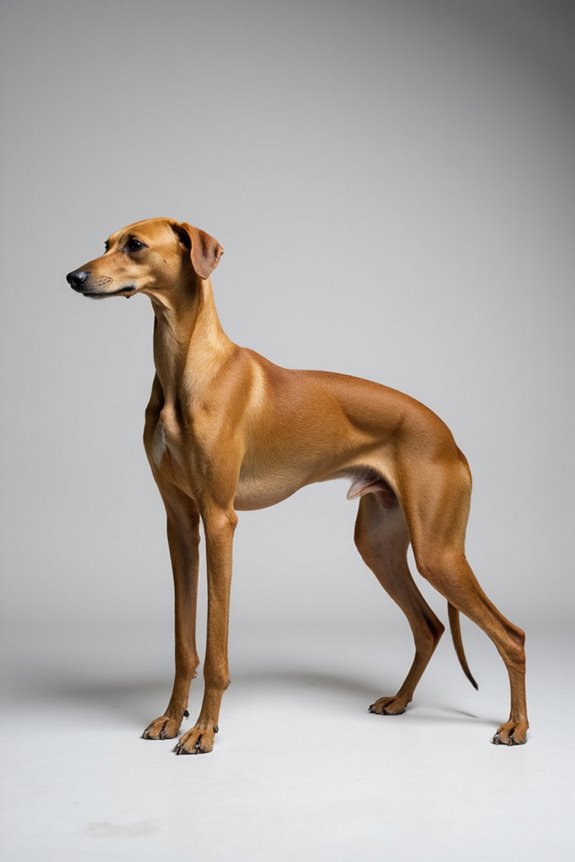
Early spaying and neutering can lead to several significant health risks that may not be immediately apparent. These health implications primarily stem from alterations in hormone levels important for bone growth.
- Growth Plate Issues: Early procedures disrupt growth plate closure, resulting in disproportionate bone growth that increases risks for elbow and hip dysplasia and CCL tears.
- Joint Disorders: Neutering males before 2 years can increase joint disorders by six-fold, while females spayed before 6 months face over three-fold increased risks.
- Cancer Risks: Studies link early neutering to higher rates of bone cancers and lymphosarcoma.
- Endocrine Disorders: Hormonal imbalances can lead to issues like hypothyroidism, affecting overall health. Additionally, it is important to consider the potential for joint health supplements to support your dog’s wellbeing post-surgery.
These factors highlight the critical importance of timing when considering spaying or neutering our sighthounds.
Optimal Age Recommendations by Size

Small and Toy Sighthounds:
For smaller breeds, spaying or neutering is typically recommended between 6 to 9 months old. This timing aligns with general small breed guidelines. It’s crucial to take into account individual breed characteristics and health milestones when deciding. Early spaying in dogs like Pugs shows minimal impact on joint disorders or cancer risks.
Medium-Sized Sighthounds:
For these breeds, we advise waiting until 6 months has passed for spaying or neutering. Breeds like German Shorthaired Pointers should wait until 12 months to confirm proper growth and reduce health risks.
Large and Giant Sighthounds:
These breeds benefit from delaying surgery until 12 to 24 months or older. This approach lessens the chance of joint disorders, aligning with their development. Always consult with your veterinarian for tailored advice.
Surgical Considerations for Spaying and Neutering
When considering spaying or neutering a sighthound, it’s vital for us to understand the surgical procedures and techniques involved.
- Spaying involves an ovariohysterectomy, where both ovaries and the uterus are removed through an abdominal incision; alternatively, laparoscopic ovariectomies can be used.
- Neutering, or castration, is typically less complex, involving removal of male testes through a scrotal incision.
- Proper anesthesia protocols are vital for safety; skilled surgeons use tailored techniques to minimize complications such as hemorrhage or swelling.
- In some cases, flank spays may be preferred to avoid mammary tissue damage.
- Ensuring that your sighthound has high-quality nutrition during recovery supports their healing process and overall health.
Understanding these surgical techniques will help guarantee a smoother process and better outcomes for our beloved sighthounds.
Recovery After Surgery
Recovery after surgery is a crucial phase that requires careful attention to guarantee our sighthounds heal properly. Typically, the recovery period lasts 10 to 14 days, during which physical activity must be strictly limited.
- We should closely monitor the incision site for any signs of infection, such as redness or swelling, and use an Elizabethan collar to prevent licking.
- Pain management is essential; following our vet’s medication instructions will enhance comfort during recovery.
- Providing a quiet, comfortable area for resting will help minimize stress.
- Nutrition is also important; offer small meals and water gradually, checking for any adverse reactions.
- During this period, choose a custom leash that offers comfort and control to minimize sudden movements while walking.
Finally, follow-up visits are necessary to confirm everything is healing well and to address any concerns.
Managing Intact Animal Behaviors
After surgery, we’re not just focused on healing; we also need to address the behaviors exhibited by intact sighthounds, which can be more pronounced due to their hormonal status. Understanding these behavioral challenges is essential for effective management.
- Predatory and chasing behaviors: Approximately 68.1% of intact sighthounds display these traits, making off-leash control challenging.
- Aggression and reactivity: Intact sighthounds may show increased aggression towards unfamiliar dogs, influenced by hormonal activity.
- Attention-seeking behaviors: Their need for reassurance can lead to clinginess and anxiousness.
To manage these challenges, we must employ targeted training techniques. This includes early interventions and consistent handling to foster better social interactions, control impulsivity, and reinforce obedience, guiding our dogs toward balanced behavior.
Population Control and Its Importance
Population control is essential for maintaining a healthy and sustainable dog population, particularly among sighthounds. Here are key points highlighting its importance:
- Overpopulation Issues: An increase in strays and shelter intake often results from uncontrolled breeding, leading to overcrowded shelters.
- Euthanasia Reduction: Effective population control strategies can markedly decrease euthanasia rates by managing the surplus of animals.
- Zoonotic Disease Control: Reduced dog populations help curb the spread of diseases like rabies, enhancing public health and safety.
- Improved Shelter Solutions: Targeted sterilization programs can halve dog populations within 4-5 years, allowing shelters to focus on adopting out existing animals rather than continually taking in new litters.
Together, let’s advocate for responsible breeding and effective population management strategies to secure a better future for our beloved sighthounds.
The Role of Veterinary Consultation in Decision Making
As we consider the importance of spaying and neutering sighthounds, we must also recognize the value of consulting with veterinary professionals during the decision-making process.
- Veterinary insights into breed specifics are essential for understanding the unique health risks associated with sighthounds.
- Professionals evaluate the timing based on growth plate development and hormonal impacts, tailoring advice to each dog’s health profile.
- Through thorough assessments, vets identify ideal age windows for surgery, balancing unwanted litters against potential health issues, such as cancers and joint disorders.
- Additionally, they explain various surgical options, ensuring informed decisions that prioritize our sighthounds’ well-being.
Incorporating veterinary consultation not only enhances decision-making but ultimately contributes to healthier, happier sighthounds.
Frequently Asked Questions
Can Spaying or Neutering Affect My Sighthound’s Temperament?
Imagine our sighthounds frolicking peacefully, free from hormonal drive. Spaying or neutering can indeed induce behavior changes, promoting temperament stability while reducing aggression. However, each dog’s reactions vary, needing thoughtful consideration from us.
What Are the Cost Differences for Spaying vs. Neutering?
Spaying costs usually range from $200 to $700, while neutering costs are generally lower, between $20 and $544. We should explore local options to find affordable services that meet our sighthound’s needs.
Are There Alternative Methods to Control Unwanted Breeding?
Controlling unwanted breeding is like steering a ship through stormy seas. We can use behavioral training and breeding restrictions, alongside hormonal or surgical methods, ensuring a safer voyage for our beloved sighthounds without unnecessary risks.
Will Spaying or Neutering Change My Sighthound’s Energy Levels?
Spaying effects can alter our sighthound’s energy levels. While some behaviors may calm down, individual results vary. We should monitor their activity and adjust their diet to prevent weight gain post-surgery.
How Can I Manage My Sighthound’s Heat Cycle if I Delay Spaying?
Managing our sighthound’s heat cycle requires careful heat management and addressing behavioral changes. We can use protective garments, provide mental stimulation, and closely monitor her environment to guarantee her comfort and safety during this time.