As an Amazon Associate, we earn from qualifying purchases. Some links on this site are affiliate links at no extra cost to you. Our recommendations are based on thorough research and editorial judgment.

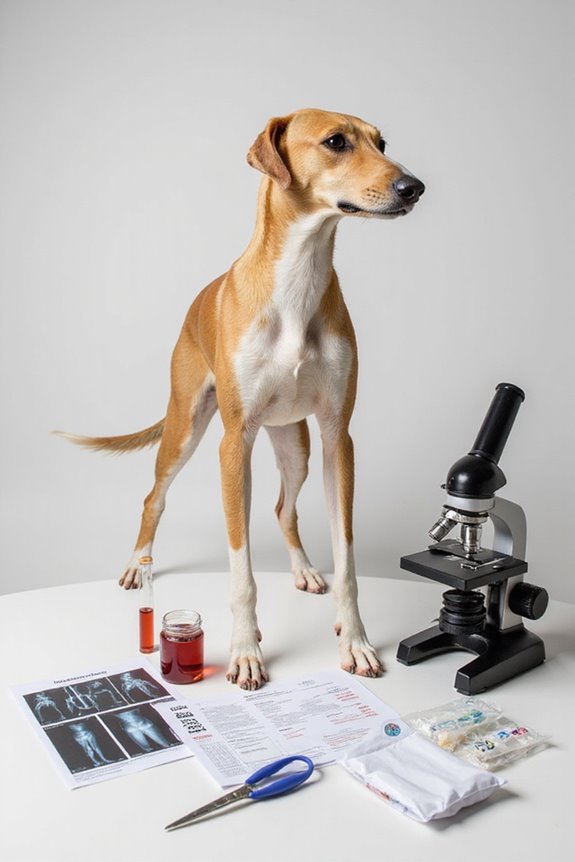
What Health Testing Should Be Done Before Breeding Sighthounds?

Before breeding sighthounds, we must prioritize specific health tests to promote their overall well-being. Each breed requires unique screenings: for example, Italian Greyhounds need tests for eye conditions and Whippets require a myostatin deficiency test. Regular cardiac evaluations using echocardiography can identify subclinical diseases, while orthopedic assessments should include hip and elbow evaluations. Additionally, genetic testing is vital for detecting hereditary issues. There’s much more to explore regarding responsible breeding practices and the importance of health testing.
Key Takeaways
- Conduct breed-specific health screenings, including tests for hereditary conditions like Progressive Retinal Atrophy and cardiac evaluations, to ensure breeding soundness.
- Perform genetic testing, including the AKC DNA + Health Kit, to analyze potential genetic disorders and maintain diversity within the breeding pool.
- Regular orthopedic evaluations via radiographs should assess hip conformation and detect disorders like elbow dysplasia before breeding decisions.
- Implement dietary management and allergy assessments to promote overall health and vitality in sighthounds.
- Prioritize ethical breeding practices and accountability for transparency, fostering trust among breeders and enhancing breed integrity.
Importance of Health Testing in Sighthounds
Health testing in sighthounds is essential for promoting breed health and minimizing the transmission of hereditary diseases. Through health testing, breeders can identify risk factors for hereditary conditions, ensuring that only the healthiest dogs are chosen for reproduction. This approach enhances animal welfare by reducing the prevalence of genetic diseases, which can adversely affect puppies’ quality of life.
Key points to take into account include:
- Responsible breeding practices decrease the likelihood of congenital conditions in future generations.
- Certain diseases lack reliable screening tests, making risk management critical.
- Genetic testing helps identify carriers of recessive conditions, preventing the mating of two carriers.
- Additionally, utilizing limited ingredient diets can help manage potential allergy issues in the breed.
Recommended Health Screenings by Breed

When considering breeding sighthounds, it’s imperative to understand the recommended health screenings specific to each breed. Adhering to breeding ethics, we can greatly improve the health impact on future litters.
- Italian Greyhounds: Screen for Familial Enamel Hypoplasia, Primary Closed Angle Glaucoma, and Progressive Retinal Atrophy.
- Whippets: A Myostatin Deficiency Test is recommended to identify muscular dystrophy mutations.
- Basenjis: DNA tests for Progressive Retinal Atrophy and Fanconi’s Syndrome are essential.
- Chinese Cresteds: Testing for Primary Lens Luxation and Progressive Retinal Atrophy is advised.
- Afghan Hounds: Regular ophthalmologic evaluations are important for retinal issues. Additionally, ensuring proper dietary management can support overall health during the breeding process.
Incorporating these breed-specific screenings helps promote the health and well-being of our sighthounds, supporting responsible breeding practices.
Cardiac Testing Protocols
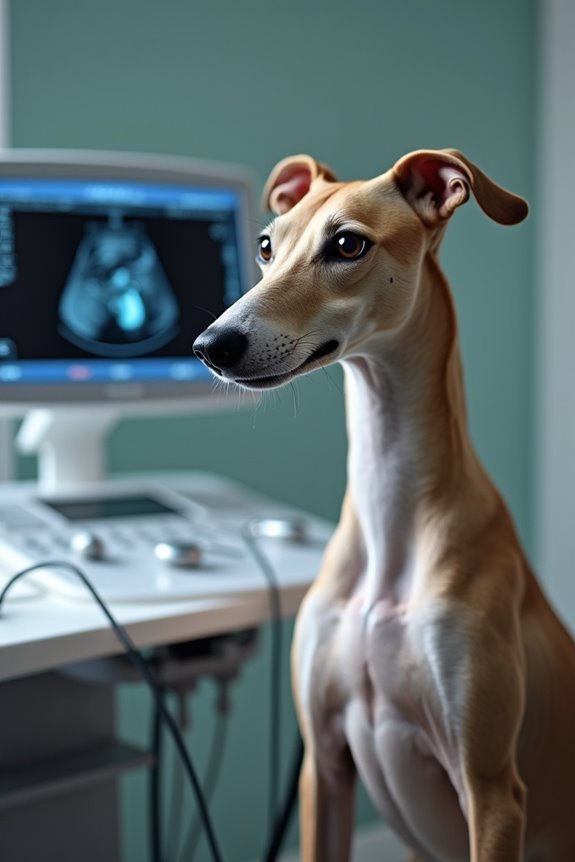
To guarantee the health of our sighthounds during breeding, thorough cardiac screening protocols are essential. Cardiac auscultation alone can miss subclinical diseases, so we should utilize advanced imaging like echocardiography. This method, conducted by board-certified cardiologists, reveals structural and functional abnormalities.
Key aspects of our cardiac testing protocols include:
- Regular arrhythmia detection using ECG and Holter monitoring, given that around 19% of Borzoi show arrhythmias despite minimal structural disease.
- ProBNP testing, a cost-effective blood test, helps identify cardiac strain and early signs of dilated cardiomyopathy (DCM).
Combining imaging, rhythm monitoring, and biomarker testing offers a thorough cardiac assessment that supports responsible breeding decisions, ensuring healthier future generations of our beloved sighthounds. Additionally, maintaining a proper nutritional balance is vital for overall heart health and performance in breeding sighthounds.
Orthopedic Health Evaluations

Orthopedic health evaluations are essential for ensuring the well-being of sighthounds prior to breeding. These evaluations help identify common conditions like hip dysplasia and elbow dysplasia, which can greatly affect a dog’s performance and quality of life.
- Hip Evaluation: Radiographs assess hip joint conformation, with organizations like OFA providing scores that quantify dysplasia risk. Early detection prevents the spread of hereditary issues.
- Elbow Assessment: Elbow dysplasia includes disorders like fragmented coronoid process, detectable through specialized radiographic techniques. Grading by standardized methods helps in making informed breeding decisions. Additionally, using 3-Point Anti-Escape features in harnesses is crucial for ensuring safety during physical activities.
Genetic Testing Requirements

Genetic testing requirements play a pivotal role in responsible breeding practices for sighthounds. By adhering to breed specifications, we guarantee that our breeding decisions are informed and beneficial. Here are key components of genetic testing:
- DNA Testing: Utilizing the AKC DNA + Health Kit, we can analyze 328+ genetic markers tied to health and traits. Testing protocols vary by breed, emphasizing the relevance to specific health risks.
- Mandatory Testing: Some genetic screenings are required for certifications, such as Myostatin Deficiency testing in Whippets.
- Diversity Monitoring: Panels assess genetic diversity, aiding in the prevention of excessive inbreeding and maintaining immune health. Ensuring the health and durability of the breeding stock helps promote the longevity of the sighthound breeds.
Incorporating these genetic tests enhances the overall health of our sighthound breeds, guiding us toward better breeding practices.
Screening Frequency and Guidelines
When evaluating breeding potential in sighthounds, understanding screening frequency and guidelines is important for maintaining health and preventing future complications.
- Patella evaluations are advised once after 12 months of age, while hip radiographs should be done after 24 months, typically once.
- Thyroid testing is suggested around 3 years or older, ideally every two years for specific breeds.
- Ophthalmologist eye exams need to be annual or occur once after 3 years.
- Cardiac exams, including echocardiograms, are recommended every 1-2 years based on breed risk.
- BAER testing confirms normal hearing, done once before breeding.
Establishing these testing protocols within recommended screening intervals can notably enhance our sighthound’s overall health prior to breeding. Furthermore, understanding retired racing greyhound characteristics can help in making informed breeding decisions that prioritize temperament and health.
Health Database Registrations and Certifications
Many breeders and owners understand the importance of health database registrations and certifications in ensuring the long-term health of sighthounds. These processes help maintain database integrity and transparency regarding hereditary conditions.
- The Canine Health Information Center (CHIC) requires dogs to meet breed-specific tests, such as those for hip dysplasia and eye diseases.
- Dogs must be permanently identified and have all required tests completed to earn a CHIC number.
- The Whippet Health Foundation (WHF) promotes health test result submissions, which become public records.
- Certification documents from recognized agencies are necessary to verify data accuracy.
The Role of Responsible Breeding Practices
Responsible breeding practices serve as the foundation for maintaining the health and importance of sighthound breeds. By integrating ethical considerations into our breeding plans, we guarantee a focus on long-term health and well-being.
Key components include:
- Genetic Health Screening: Testing for breed-specific disorders helps minimize transmission risks.
- Pre-breeding Veterinary Health Checks: Thorough exams identify reproductive issues and guarantee overall fitness.
- Temperament Assessment: Evaluating behavior promotes well-adjusted puppies, aligning with breed standards.
- Record Keeping: Transparency in health records supports accountability and traceability within the breed.
- Ethical Breeding Practices: Avoiding early breeding and focusing on sound genetics cultivate longevity and quality in our dogs.
Frequently Asked Questions
How Do I Choose a Reputable Veterinarian for Testing?
When choosing a reputable veterinarian for testing, we should prioritize their credentials and testing experience, ensuring they’ve specialized in sighthounds. Recommendations from trusted breeders and positive reviews can guide us toward the right choice.
What Are the Costs Associated With Health Testing?
Health test costs can add up quickly for breeding; we need to budget for echocardiograms, genetic panels, and regular screenings. It’s essential to factor in all breeding expenses to maintain our dogs’ health.
Can Mixed-Breed Sighthounds Also Benefit From Health Testing?
Like a gardener nurturing diverse blooms, we find mixed-breed sighthounds blossom with health testing. Their mixed breed benefits include enhancing sighthound health, detecting potential issues early, and ensuring vibrant, thriving companions for years to come.
What Should I Do if My Dog Fails a Health Test?
If our dog fails a health test, we should assess the health implications, consult specialists, adjust breeding decisions accordingly, and guarantee we document the results to support responsible breeding practices for the future.
How Can I Educate Potential Puppy Buyers About Health Testing?
Let’s launch a lively learning campaign! By sharing health education resources and emphasizing responsible breeding practices, we can empower puppy buyers to understand health testing, fostering trust and enhancing the welfare of our beloved sighthound companions.