As an Amazon Associate, we earn from qualifying purchases. Some links on this site are affiliate links at no extra cost to you. Our recommendations are based on thorough research and editorial judgment.

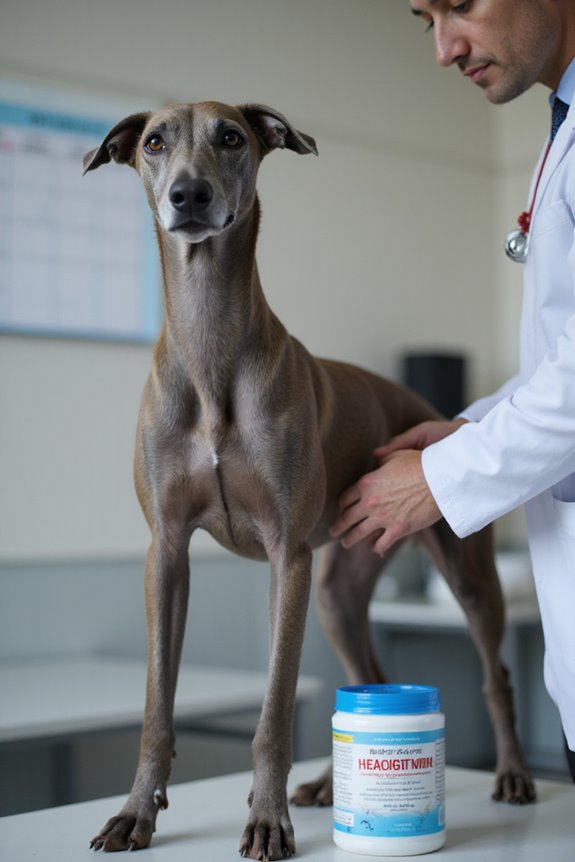
How Can I Prevent Heartworm In Greyhounds?

To prevent heartworm in Greyhounds, we need a thorough approach. We should follow these key steps:
- Administer year-round preventive medications, such as monthly chewable tablets or topical treatments.
- Schedule annual heartworm testing for early detection and to verify the effectiveness of preventives.
- Implement mosquito control measures, like eliminating standing water and maintaining yard cleanliness.
By doing so, we enhance our Greyhounds’ health and minimize risks. A detailed understanding of regional heartworm variations is essential for our prevention strategies.
Key Takeaways
- Administer monthly heartworm preventive medications, such as Heartgard Plus or Advantage Multi, to keep Greyhounds protected year-round.
- Schedule annual vet visits for heartworm testing to ensure early detection and continued effectiveness of preventives.
- Eliminate standing water and maintain yard cleanliness to reduce mosquito habitats and lower heartworm infection risks.
- Consider regional mosquito activity when tailoring prevention plans, adjusting frequency based on climate and lifestyle factors.
- Educate yourself about heartworm risks and prevention strategies through consultations with veterinarians for optimal protection of your Greyhound.
Understanding Heartworm and Its Risks for Greyhounds
Understanding heartworm and its risks is essential for Greyhound owners, as these dogs are particularly vulnerable. The heartworm lifecycle begins when a mosquito bites our Greyhound, introducing larvae that mature in the dog over about six months. Adult heartworms can live 5 to 7 years, leading to severe issues such as pulmonary and cardiac complications.
Common clinical signs of heartworm disease are often subtle in early stages, manifesting as occasional coughing. However, as the infection worsens, we may notice more pronounced symptoms like shortness of breath, weakness, and exercise intolerance. Advanced disease can result in life-threatening conditions such as congestive heart failure. Understanding these risks is important in safeguarding our beloved Greyhounds against this serious threat. Regularly administering heartworm prevention medications can significantly reduce the risk of infection for your dog.
Importance of Year-Round Heartworm Prevention
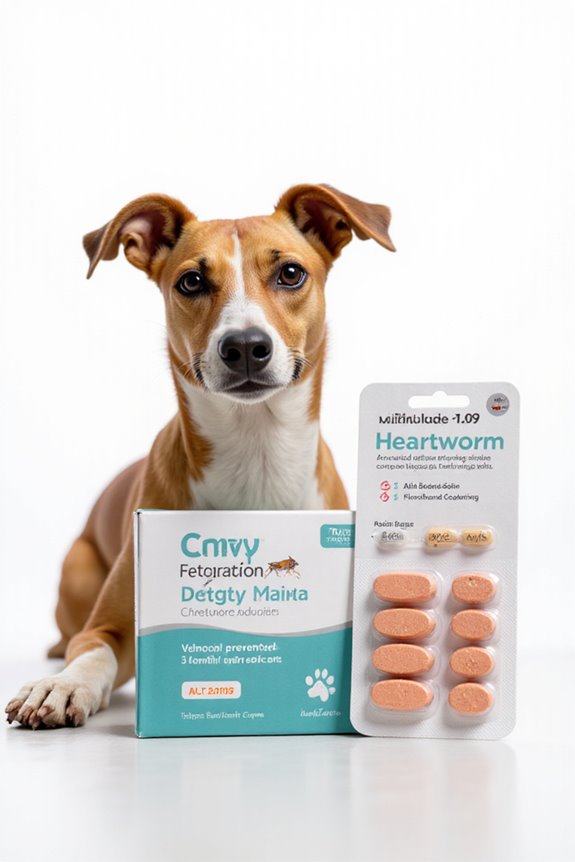
To effectively safeguard our Greyhounds against heartworm, committing to year-round prevention is vital. Heartworm transmission can occur throughout the year due to fluctuating mosquito activity. By practicing year-round vigilance, we guarantee that our pets are protected even during colder months when mosquitoes might be indoors.
- Continuous dosing is essential, as skipping months can lead to larvae developing beyond preventable stages.
- Regular monthly medication kills larval stages before they mature, preventing serious health issues.
- Year-round prevention also aids in controlling other parasites, promoting overall health.
Incorporating a high-quality dog food can also support your dog’s immune system, enhancing their ability to resist infections.
Annual testing complements this vigilance, helping us detect any infections early. With consistent effort, we reduce both our dogs’ risk and the overall heartworm prevalence in our communities, guaranteeing healthier Greyhounds for everyone.
Recommended Products

Convenient one-and-done monthly dosing for parasite protection for dogs

Year-round protection from harmful parasites when applied monthly

Interceptor PLUS protects against more types of worms* than other formulas
Heartworm Preventive Medications Available for Greyhounds

When it comes to preventing heartworm in Greyhounds, there are several effective medications we can choose from, tailored to our dogs’ needs. Our heartworm medication options include:
- Chewable Tablets: Such as Heartgard Plus, Simparica Trio, and Trifexis, which require monthly administration and a veterinary prescription.
- Topical Treatments: Advantage Multi offers a convenient option for dogs that struggle with oral medications. It offers monthly application and also targets intestinal parasites.
- Injectable Medications: ProHeart 6 is an excellent choice, providing six months of protection with a single veterinary-administered dose.
Each preventive medication form is essential for safeguarding our Greyhounds throughout the year. Consulting our veterinarian will guarantee we choose the best option based on our dog’s health needs and lifestyle. Additionally, maintaining proper collar sizing ensures comfort and effectiveness while protecting against potential escapes and injuries.
Recommended Products

Trifexis delivers 5-in-1 protection from heartworms, fleas & 3 more intestinal parasites in dogs 60.1 to 120 lbs.


Pyrid 2x contains 4.54 mg of pyrantel base as pyrantel pamoate per mL
Regular Testing: Key to Successful Prevention
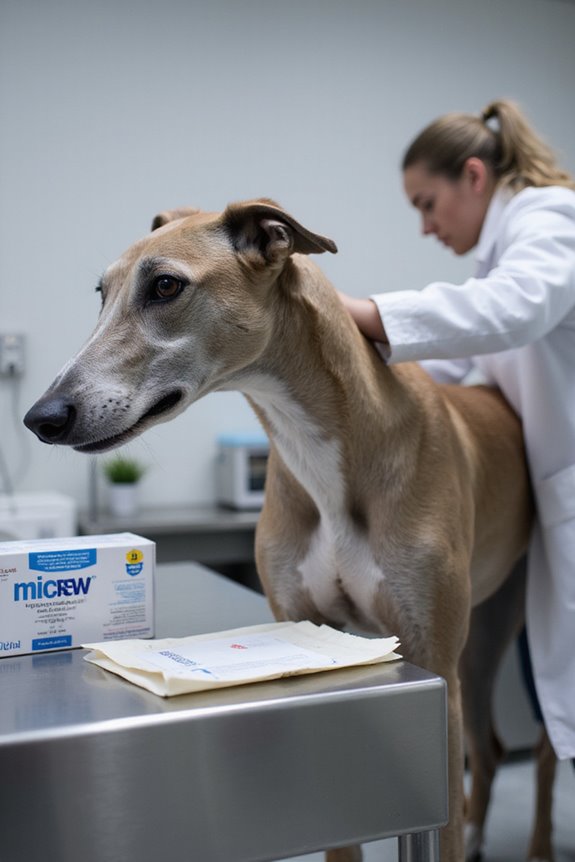
Regular heartworm testing plays a vital role in the overall prevention strategy we employ for our Greyhounds.
- Annual testing is essential to detect infections early, often before severe damage occurs.
- It guarantees that our heartworm preventives are effective, catching any infections that may arise from missed doses or medication tolerance.
- For effective prevention, we should follow established testing guidelines: puppies under 7 months are tested at 6 and 12 months, while dogs over 7 months should be tested before starting prevention, then annually thereafter.
- If our dogs miss doses, retesting is needed 6 months later to check for potential infections. Additionally, regular nutritional assessments help maintain overall health, supporting our dogs’ immune systems against infections.
Specific Considerations for Greyhounds in Heartworm-Endemic Areas

Living in heartworm-endemic areas presents unique challenges for our Greyhounds, requiring us to be vigilant about their health.
- Greyhounds have a thin skin and unique body composition, increasing their mosquito exposure and susceptibility to heartworm.
- It is important to use heartworm preventives approved for dogs. We should avoid off-label ivermectin due to safety concerns and breed sensitivity.
- Monthly administration of preventives is vital, especially since year-round treatment is necessary in regions with persistent mosquito populations.
- It’s advisable to consult with our veterinarians to tailor prevention plans according to Greyhound physiology and any potential sensitivities.
- Regular testing remains paramount, helping us detect any subclinical infections we might otherwise overlook in our beloved companions. Additionally, providing a comfortable dog bed can significantly enhance their overall health and well-being, supporting their recovery and comfort.
Managing Risks: Mosquito Control and Prevention Strategies
Effective mosquito control is essential for safeguarding our Greyhounds from heartworm disease. To reduce mosquito habitats, we should eliminate standing water sources such as plant saucers and blocked gutters. Regularly maintaining our yards by cutting back vegetation can also help.
We can implement environmental practices, such as using mosquito-repelling plants around kennels, to deter these pests. Additionally, controlling tall grasses and shrubs near dog areas limits resting sites.
In high-risk areas, professional mosquito abatement treatments can be beneficial during peak seasons. Using outdoor fans in porches or dog runs can further reduce mosquito landings since they’re weak fliers. By prioritizing these strategies, we actively contribute to the well-being and safety of our beloved Greyhounds. Furthermore, understanding exercise and activity levels is vital as a healthy dog can better withstand potential health threats.
What to Do If Your Greyhound Is Infected
If we’ve taken precautions to control mosquito populations, we may still face the unfortunate reality of heartworm infection in our Greyhounds. If diagnosis confirmation occurs, we must swiftly follow treatment protocols.
- Stabilization: Initially, dogs showing heart failure symptoms need stabilization, often with corticosteroids to manage inflammation and distress.
- Treatment: Initial treatment includes heartworm preventive drugs, followed by doxycycline to target Wolbachia bacteria. Afterward, melarsomine injections are administered in a three-dose format spaced a month apart.
- Exercise: Strict activity restriction is essential during treatment and for 6–8 weeks post-melarsomine to prevent thromboembolism.
Throughout, we must monitor for any severe adverse reactions and maintain prompt communication with our veterinarian to provide optimal care.
The Veterinarian’s Role in Heartworm Prevention
When it comes to heartworm prevention in Greyhounds, veterinarians play an indispensable role. Their guidance is crucial in obtaining prescription-based heartworm preventives.
- Veterinarian collaboration guarantees we choose the most effective options—monthly tablets, topical liquids, or long-lasting injections.
- Preventive education provided by veterinarians informs us about the thorough protection these medications offer against multiple parasites.
- Annual testing remains essential for early infection detection, even in dogs on preventives.
- Regular exams support public health by minimizing heartworm spread and adapting prevention protocols to regional risks.
- Through counseling, veterinarians help tailor our prevention strategies, considering our dog’s lifestyle and geographic considerations.
Tailoring a Prevention Plan for Your Greyhound
After discussing the veterinarian’s crucial role in heartworm prevention, it’s important to focus on how we can tailor a prevention plan specifically for our Greyhound. Here are some considerations to create a personalized treatment plan:
- Choose Preventive Medication: Consult with our vet to select from oral tablets, topical solutions, or injectable options.
- Testing is Essential: Before starting any preventive, we must test our Greyhound for existing heartworm infections.
- Consider Lifestyle Factors: If our Greyhound spends more time indoors or outdoors, we need to adjust the preventive frequency accordingly.
- Address Regional Risks: We should know our climate’s impact on mosquito activity, adjusting year-round or seasonal prevention as necessary.
Recommended Products

Interceptor PLUS protects against more types of worms* than other formulas

K9 Advantix II Medium Dog 30-day treatment & prevention protects dogs 11-20 lbs. from fleas, ticks, mosquitoes, biting flies and lice

Powerful 7-Way De-Wormer: These tablets are fast-acting and broad-spectrum dewormer for puppies and small dogs weighing 6 to 25 lbs.
Frequently Asked Questions
Can Indoor Greyhounds Get Heartworm Infections?
Yes, indoor greyhounds can contract heartworm infections due to indoor risks from mosquitoes. These pests can transmit heartworm larvae into our homes, so we need to guarantee consistent preventive measures to protect our furry companions.
What Are the Side Effects of Heartworm Prevention Medications?
Steering heartworm prevention’s like walking a tightrope; we must balance medication reactions and dosage concerns. Common side effects include depression, gastrointestinal issues, and even severe allergic responses. It’s essential we monitor our dogs closely for any signs.
How Can I Tell if My Greyhound Has Heartworm?
To tell if our greyhound has heartworm, we should watch for symptoms like coughing or exercise intolerance. Regular testing and screening through blood tests can help us diagnose any infection early on.
Are There Natural Remedies for Heartworm Prevention?
We can explore herbal treatments and dietary supplements to bolster our dogs’ immune systems, using nature’s bounty to create a shield against heartworms. Together, let’s embrace these gentle alternatives for our beloved companions.
How Does Heartworm Affect Greyhound Performance?
Heartworm considerably impacts greyhound performance, causing a decline in stamina and exercise capacity. We’ve seen how respiratory issues and reduced oxygen delivery from infection lead to fatigue, ultimately hindering our dogs’ racing potential and efficiency.