As an Amazon Associate, we earn from qualifying purchases. Some links on this site are affiliate links at no extra cost to you. Our recommendations are based on thorough research and editorial judgment.

What Are The Signs Of Illness In Sighthounds? For Senior Dogs

As senior sighthound owners, we need to recognize the signs of illness that may affect our pets. Key symptoms include:
- Vestibular signs like head tilt and nystagmus.
- Gastrointestinal changes such as sudden loss of appetite and vomiting.
- Mobility decline marked by hesitation and reduced activity.
- Cognitive issues including disorientation and altered behavior.
Regular monitoring allows us to address health problems promptly and improve our dogs’ quality of life. There’s more to explore regarding specific health concerns for senior sighthounds.
Key Takeaways
- Vestibular signs like head tilt, circling, and nystagmus indicate neurological issues in senior sighthounds.
- Gastrointestinal changes such as loss of appetite or vomiting can signal serious health problems.
- Mobility decline includes signs like hesitance with stairs and reduced walking due to pain or stiffness.
- Respiratory issues manifest as rapid or labored breathing, requiring immediate veterinary attention.
- Cognitive changes may include disorientation, altered social interactions, and sleep disturbances in aging sighthounds.
Vestibular and Neurological Signs
When we’re caring for senior sighthounds, it is essential to recognize the signs of vestibular and neurological issues, which can greatly impact their quality of life. Recognizing vestibular dysfunction is important. Key indicators include:
- Head tilt: Often sustained, indicating imbalance.
- Circling behavior: Typically consistent in one direction.
- Ataxia: Presenting as staggering or loss of coordination.
- Nystagmus: Characterized by rapid eye movements.
Neurological impairment may also manifest through:
- Strabismus: Misalignment of the eyes.
- Facial nerve abnormalities: Including twitching or paralysis.
- Disorientation or confusion: Suggesting central nervous system issues.
Monitoring these signs helps us provide proper care and seek veterinary assistance when necessary, ensuring our beloved sighthounds maintain their quality of life as they age. Additionally, proper joint support ingredients can help alleviate mobility issues linked to neurological problems in older dogs.
Gastrointestinal and Appetite Changes
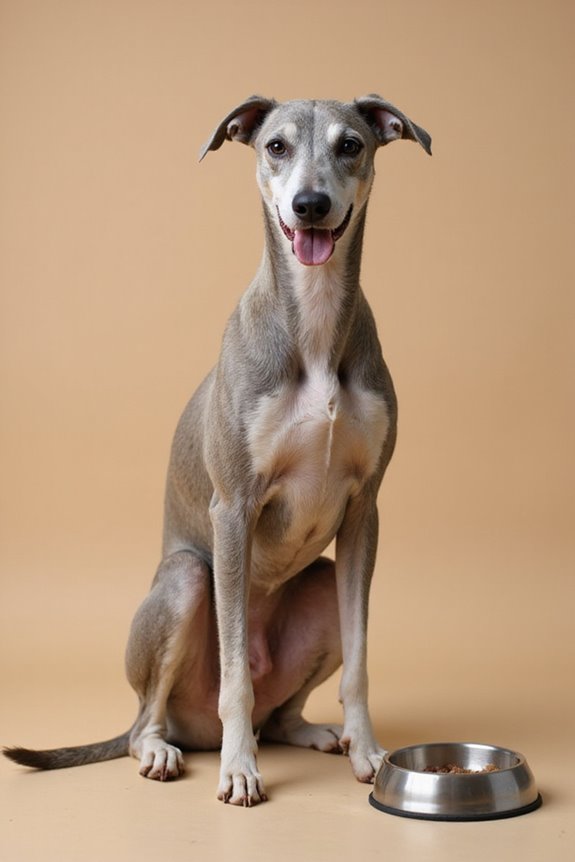
Recognizing gastrointestinal and appetite changes in senior sighthounds is vital for their overall health.
- Loss of Appetite: A sudden loss of appetite may indicate gastrointestinal or systemic disease, often leading to rapid weight loss and decline.
- Vomiting Characteristics: Vomiting that includes dry heaving or “coffee ground” vomitus may signal serious issues like digestive bleeding or severe irritation.
- Diarrhea Causes: Diarrhea can arise from infections, tumors, or dietary intolerances, sometimes indicated by blood or abnormal stool consistency.
- Abdominal Pain: Signs of abdominal pain, such as restlessness or discomfort during palpation, should not be ignored, as they may indicate severe gastrointestinal problems.
- Constipation Issues: Common in seniors, constipation can result from poor intestinal motility or obstructions, necessitating veterinary attention to guarantee comfort and health. Additionally, nutritional needs can play a role in preventing gastrointestinal issues in senior sighthounds.
Mobility and Physical Activity Decline
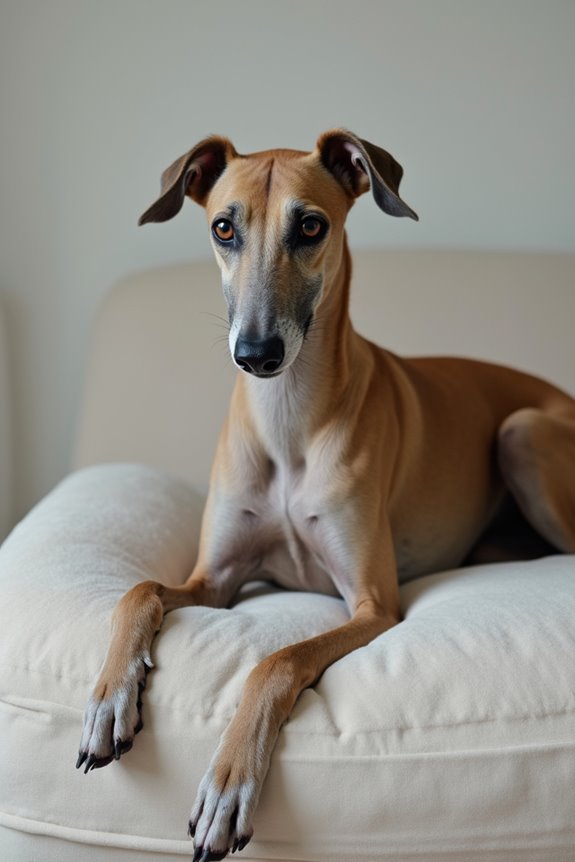
As our beloved sighthounds age, we may notice a gradual decline in their mobility and physical activity. Common early signs include:
- Loss of traction on smooth floors, indicating weakened leg muscles.
- Hesitation when approaching stairs or furniture, reflecting joint discomfort.
- Shorter, slower walking distances due to pain or stiffness.
Joint and muscle degeneration, especially arthritis, tends to increase, leading to reduced exercise tolerance and muscle atrophy. Changes in activity patterns manifest as decreased willingness to jump or climb stairs, and longer resting periods beyond typical aging. Investing in suitable dog beds can also enhance their comfort and support during rest.
A mobility assessment conducted by a veterinarian can identify specific issues, while physical therapy may help improve strength and stability. Remaining vigilant about these signs allows us to guarantee our dogs maintain quality of life.
Cognitive and Behavioral Changes
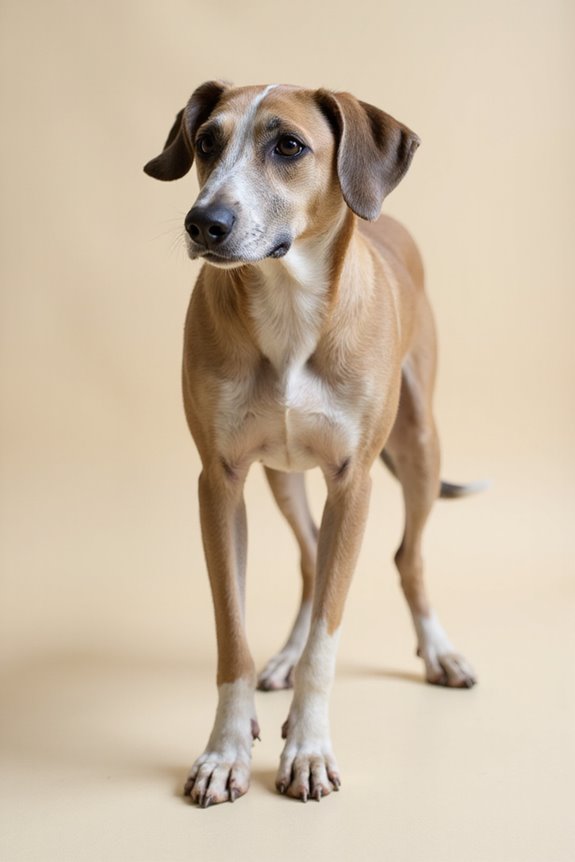
Cognitive and behavioral changes in aging sighthounds can greatly impact their quality of life, making it essential for us to observe subtle shifts in their behavior.
- Disorientation: Dogs may get lost in familiar places or forget learned commands, leading to accidents indoors.
- Social Interactions: Altered interactions can arise, manifesting as increased irritability or withdrawal from family and pets.
- Sleep Changes: Affected dogs might experience altered sleep-wake patterns, including nighttime restlessness or daytime sleepiness.
- Anxiety and Aggression: New anxieties or aggression can develop, often stemming from heightened sensitivity to noise or confusion.
- Memory Decline: Signs of cognitive decline include difficulties with short-term memory, leading to repeated actions and confusion.
Recognizing these behavioral shifts is vital for managing our beloved sighthounds’ well-being, and proper training techniques can also help mitigate some of these challenges.
Sensory Impairments (Vision and Dental)

Understanding the sensory impairments that affect senior sighthounds is crucial for guaranteeing their well-being and comfort as they age.
Vision Impairments:
- Cloudiness in the eyes may signal cataracts, impacting vision clarity.
- Hesitancy in jumping or steering through familiar areas often indicates poor eyesight.
- Increased startle responses suggest difficulty anticipating visual stimuli.
Dental Health Issues:
- Poor oral hygiene can lead to periodontal disease and tartar accumulation.
- Bad breath usually indicates excessive bacteria, while swollen gums may suggest gingivitis.
- Reluctance to eat might result from oral pain, warranting veterinary attention.
Recognizing these signs helps us maintain our sighthounds’ quality of life, addressing essential health concerns effectively. Regular veterinary checkups guarantee their sensory needs are met as they age. Additionally, providing a diet rich in high-quality protein sources can support their overall health and energy levels, contributing to their vitality in senior years.
Incontinence and Elimination Issues
Incontinence and elimination issues are common challenges faced by senior sighthounds, following the sensory impairments we discussed earlier. Various incontinence causes can affect their quality of life. Key urinary signs include:
- Unexpected leakage during sleep, often linked to hormonal imbalances in spayed females.
- Increased urgency or frequency of urination, which might signal underlying health problems like urinary tract infections or diabetes.
- Difficulty urinating or straining, suggesting possible bladder stones or infections.
- Accidents due to mobility limitations, stemming from arthritis or discomfort.
It’s essential to monitor these signs, as proper identification of incontinence causes allows us to seek appropriate veterinary care, ensuring our beloved companions remain comfortable and cared for throughout their senior years. Additionally, consider consulting a veterinarian about dietary adjustments that may help manage urinary issues in senior dogs.
Changes in Skin and Coat Condition
As our beloved sighthounds age, we may notice significant changes in their skin and coat condition that warrant our attention. These transformations can reflect underlying health issues.
- Skin texture changes: We might see dry, flaky skin, indicating seborrhea or other conditions. Alternatively, a greasy coat suggests excess oil production and keratin irregularities.
- Coat appearance alterations: If the coat appears dull or lacks luster, it might signal systemic health concerns.
- Brittle or thinning hair can be linked to nutritional deficiencies or autoimmune diseases.
- Excessive shedding may indicate skin infections or hormonal imbalances.
Monitoring these changes is essential for maintaining our sighthounds’ overall health and well-being. Let’s stay vigilant and consult our veterinarians if we notice any concerning symptoms.
Respiratory and Cardiovascular Symptoms
Sighthounds are as athletic as they are graceful, yet even the most active among them can face respiratory and cardiovascular challenges as they grow older. Here are some signs to watch for:
- Respiratory Distress: Rapid breathing exceeding 36 breaths per minute may indicate serious issues. Labored and noisy breathing can worsen with time.
- Coughing Types: A moist, productive cough could signal congestive heart failure, while a persistent dry cough might point to chronic bronchitis or a collapsed trachea.
- Collapse or Fainting: Episodes of syncope may indicate poor heart function, necessitating immediate veterinary attention.
Recognizing these symptoms guarantees we address our senior sighthounds’ health promptly, leading to better care and quality of life.
Frequently Asked Questions
How Can I Tell if My Sighthound Is in Pain?
We can tell if our sighthound’s in pain by noting behavioral changes. If they’re suddenly withdrawn, show excessive affection, or display unusual postures, these pain indicators are a clear call for attention and care.
What Are Common Signs of Depression in Senior Dogs?
Common signs of depression in senior dogs include a change in behavior, like loss of interest in activities and increased clinginess. If we notice these signs, it’s important to consult our vet for guidance and support.
How Often Should Senior Sighthounds See a Veterinarian?
Our senior sighthounds should have veterinary check-ups every six months for thorough health monitoring. If any health changes arise, we shouldn’t hesitate to schedule more frequent visits to guarantee their well-being remains a priority.
Are There Specific Diets Recommended for Aging Sighthounds?
For aging sighthound nutrition, we should prioritize high-quality protein and omega-3s, and consider special dietary supplements like glucosamine. Tailoring their diet to individual needs helps enhance their quality of life and overall health.
How Can I Improve My Senior Sighthound’s Quality of Life?
To improve our senior sighthound’s quality of life, we should focus on balanced mental stimulation and gentle physical activity. Regular, tailored exercises and engaging games can keep our furry friend happy and healthy as they age.