As an Amazon Associate, we earn from qualifying purchases. Some links on this site are affiliate links at no extra cost to you. Our recommendations are based on thorough research and editorial judgment.

How Should I Monitor Health In Sighthound Puppies?

To monitor health in sighthound puppies, we should follow a structured approach. Regular veterinary check-ups are crucial, starting at 6-8 weeks and continuing with vaccinations every 3-4 weeks. Proper nutrition is essential, with macronutrient targets of 20-25% protein. We must also maintain consistent grooming routines and adjust exercise based on age. Finally, staying aware of breed-specific health risks, such as Progressive Retinal Atrophy and Mitral Valve Disease, can aid in early detection. More insights on this topic await.
Key Takeaways
- Schedule regular veterinary check-ups, starting within 6-8 weeks, to monitor health and ensure vaccinations are up to date.
- Conduct thorough physical examinations, focusing on eyes, ears, skin, and dental health, to detect issues early.
- Implement a consistent nutrition plan tailored to breed needs, targeting 20-25% protein and monitoring caloric intake for proper growth.
- Follow exercise guidelines of 5 minutes per month of age, adjusting activities based on the puppy’s fatigue cues.
- Be vigilant for breed-specific health risks, including regular eye exams for conditions like Progressive Retinal Atrophy and monitoring for heart disease symptoms.
Regular Veterinary Check-Ups
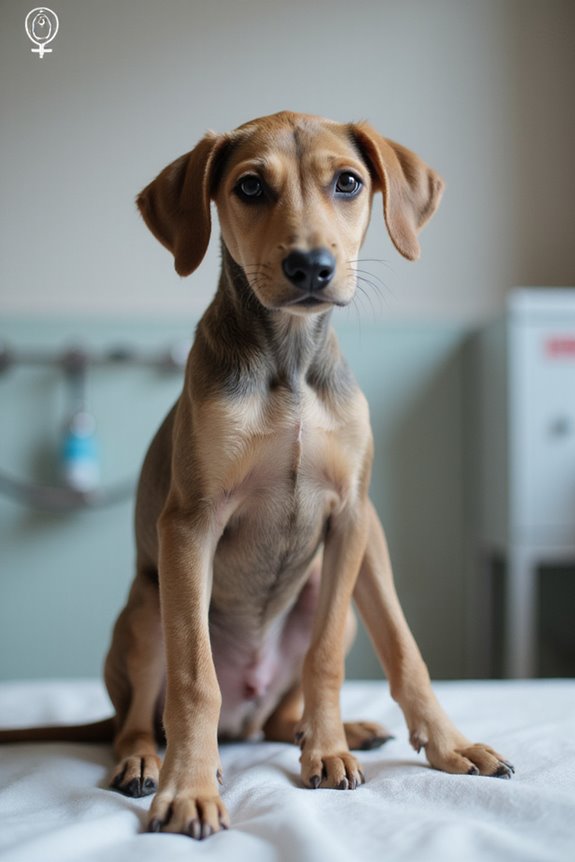
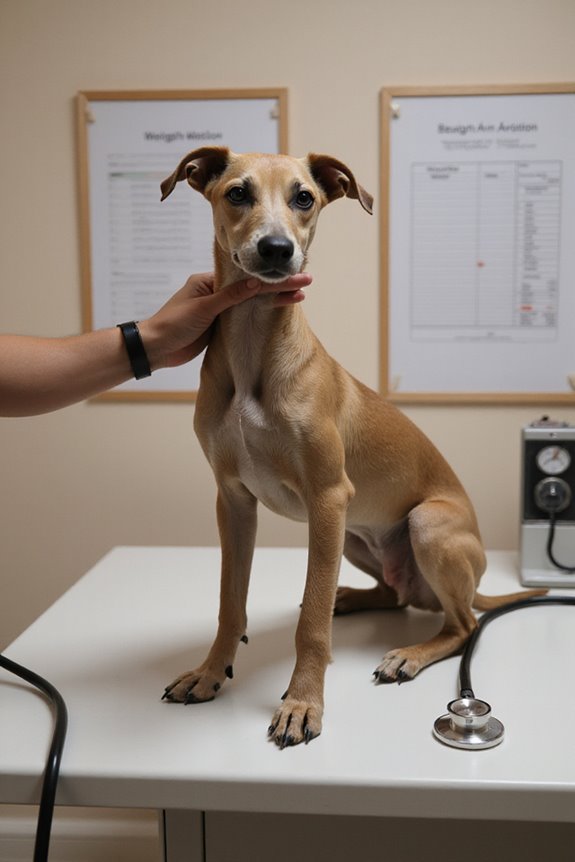
When we bring a sighthound puppy into our homes, scheduling regular veterinary check-ups becomes vital for guaranteeing their health and development. Our first vet appointment should ideally occur within the first few days, typically when they’re 6 to 8 weeks old. Follow-up visits are necessary every 3 to 4 weeks, continuing until our puppy is around 4 to 5 months to complete their puppy vaccinations.
During these appointments, a thorough physical exam is fundamental. This includes checking eyes, ears, skin, and dental health. Regular visits allow early detection of potential health issues and guarantee proper growth. After the initial vaccination series, annual wellness exams should maintain our puppy’s health. Staying proactive with our vet guarantees a happy, healthy life for our furry companion. Additionally, maintaining a high-protein diet is essential for muscle maintenance and overall growth in sighthound puppies.
Nutrition and Feeding Guidelines
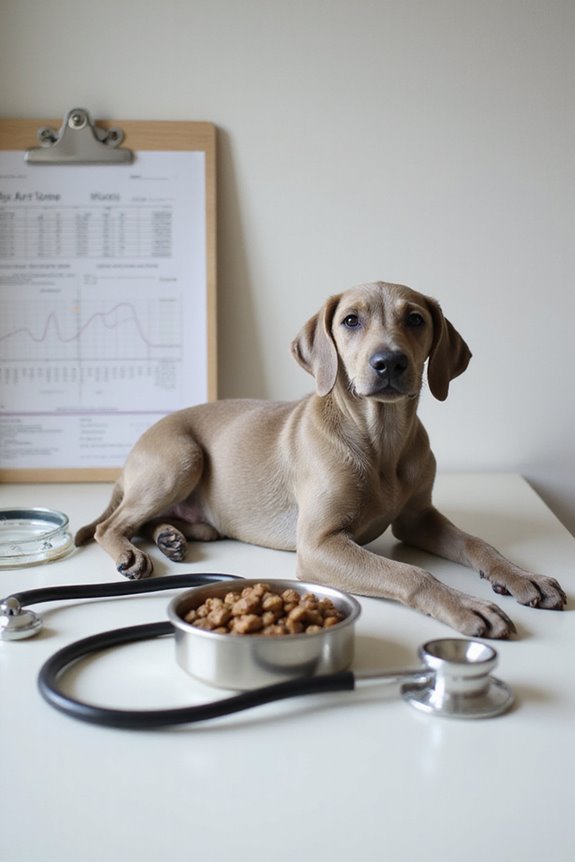
Nutrition is a cornerstone of health for our sighthound puppies, as it lays the foundation for their growth and development. To promote ideal health, we should focus on the following guidelines:
- Macronutrients: Aim for 20-25% protein for muscle growth, 10-14% fat for energy, and moderate carbohydrates from digestible sources.
- Caloric Needs: Puppies require increased calories, such as approximately 990 calories/day for a 10-pound Whippet.
- Feeding Frequency: Offer 3-4 meals daily until 3-6 months, then reduce to 2-3.
- Dietary Changes: Gradually shift to adult food by 7-14 months, depending on the breed size.
- Feeding Habits: Consistent schedules help regulate digestion and prevent issues like bloat. Additionally, including high-quality protein sources ensures optimal growth and muscle development.
Grooming and Physical Examination
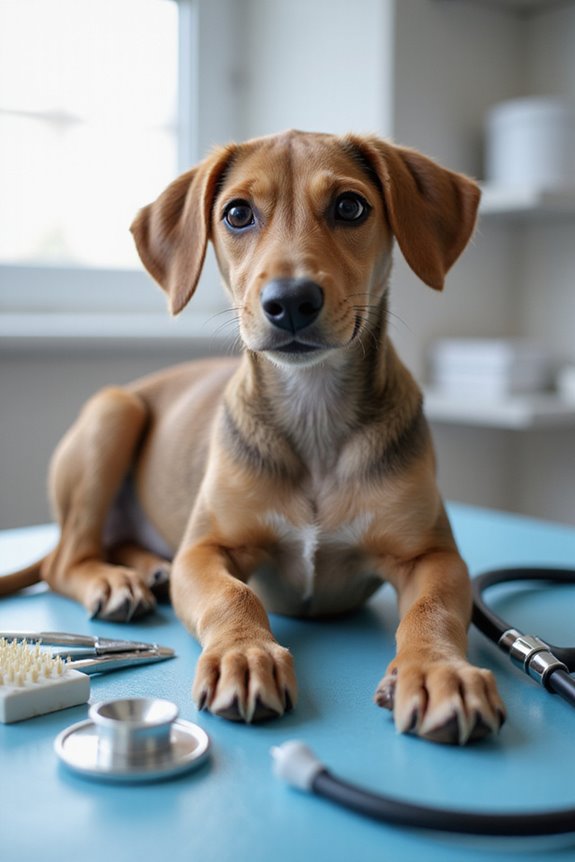
Grooming and physical examination are essential components of our sighthound puppies’ overall health and wellbeing. Here are some key practices to follow:
- Brushing Techniques: For short-coated breeds like Whippets and Greyhounds, weekly brushing with a soft bristle or rubber brush helps maintain coat health and shine by removing loose hair. Salukis require more frequent grooming due to their longer coats.
- Ear Care: Regularly inspect your puppy’s ears for cleanliness and signs of infection. Use dog-specific ear cleaners and cotton pads to gently remove wax and dirt.
Incorporating these grooming routines encourages positive experiences. Regular examinations allow us to identify any skin issues or parasites early, ensuring our sighthound puppies stay healthy and vibrant. Additionally, using breathable mesh harnesses during outings can help keep your puppy comfortable and secure.
Exercise and Physical Activity Recommendations
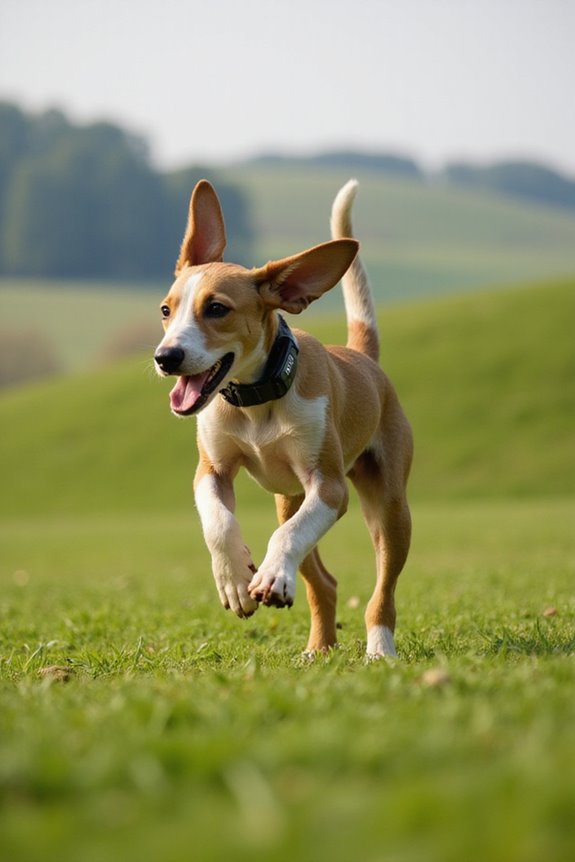
Exercise plays an essential role in the health and development of our sighthound puppies. For ideal puppy exercise, we should follow a guideline of approximately 5 minutes per month of age, performed once or twice daily. For example, Whippet puppies often need 15–30 minutes of combined short sessions daily.
- Start with 10-minute walks three times a day at three months, incorporating off-lead play in safe areas.
- Gentle walks on soft surfaces are preferable to protect developing joints.
- Structured variety promotes mental stimulation and physical health.
- Understanding the importance of warm clothing can help keep your puppy comfortable during outdoor activities in colder weather.
As they grow, we must gradually increase exercise duration while ensuring adequate rest to prevent injury. Observing our puppies for cues of fatigue will help us tailor their activity levels effectively.
Monitoring Breed-Specific Health Risks

Monitoring breed-specific health risks is essential for safeguarding the well-being of our sighthound puppies. Here are key areas to focus on:
- Genetic Screening and Eye Examinations: We should prioritize screening for Progressive Retinal Atrophy (PRA) and other genetic eye conditions, especially in breeds like whippets. Regular eye examinations can help catch issues like Corneal Dystrophy and cataracts early.
- Cardiovascular Health: We must monitor for Mitral Valve Disease (MVD) via auscultation and echocardiograms.
- Blood Clotting Disorders: Watch for symptoms of Von Willebrand Disease, and make sure veterinary evaluations are scheduled before surgeries.
- Cancer Awareness: Vigilance for signs of osteosarcoma, such as limping or swelling, can lead to early intervention. Additionally, we should consider the impact of nutrition and ingredients for allergy management as they can also play a role in overall health monitoring.
Regular check-ups and dog-specific research will guide our efforts in keeping these pups healthy.
Documentation and Preventive Measures
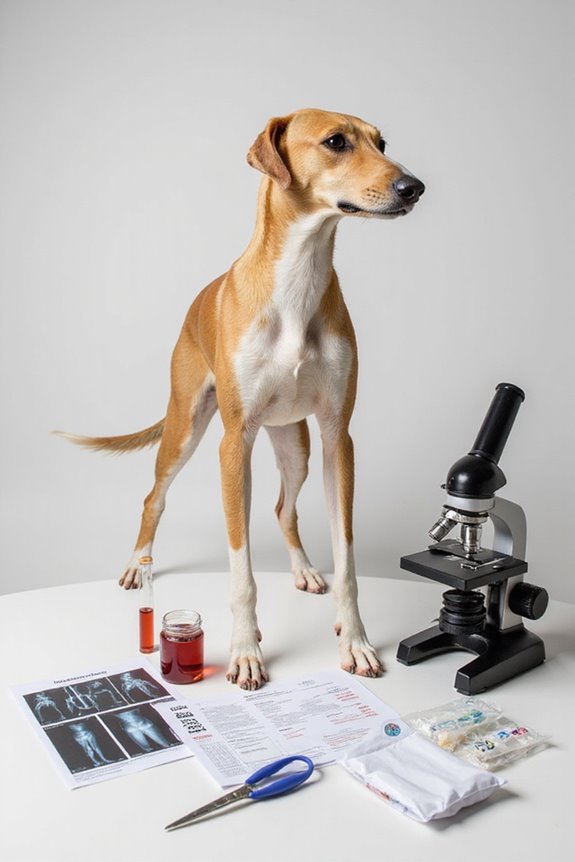
To guarantee the health and vigor of our sighthound puppies, thorough documentation and preventive measures are essential. We should maintain complete health records that include details like vaccination history, vet visits, and treatments. Regularly recording growth milestones and weight will help us detect any abnormalities early.
Preventive care must follow veterinarian recommendations, including:
- Adhering to a tailored vaccination schedule.
- Implementing deworming treatments starting at 2-3 weeks of age.
- Using appropriate flea and tick preventatives.
Additionally, annual wellness exams should include booster shots and parasite screenings. Documenting all treatment and health information will aid in making informed decisions regarding our puppies’ ongoing care. This organized approach lays the groundwork for a healthy future for our sighthound companions. Incorporating a high-quality diet rich in Omega fatty acids can also significantly enhance overall health and coat quality.
Frequently Asked Questions
What Vaccination Schedule Is Recommended for Sighthound Puppies?
Pups’ protection starts with precise puppy vaccines! We’ll need to follow a schedule: starting at 6–8 weeks, updating health records after each dose, ensuring robust immunity against diseases while monitoring their growth and well-being closely.
How Can I Socialize My Sighthound Puppy Safely?
To socialize our sighthound puppy safely, we should arrange puppy playdates with well-matched dogs and focus on safe introductions. Gradually expose them to different environments while monitoring their comfort and body language throughout the process.
Are There Specific Toys Ideal for Sighthound Puppies?
We should focus on interactive toys, chew toys, fetch toys, and puzzle toys for our sighthound puppies. These options keep them engaged, happy, and promote healthy chewing habits while catering to their unique play styles.
How Do I Recognize Signs of Stress in My Sighthound Puppy?
We can recognize stress signals in our sighthound puppy by observing pacing, lip licking, or tail tucking. Using calming techniques like gentle petting or quiet time together helps ease their anxiety during stressful moments.
What Is the Best Age to Start Training My Sighthound Puppy?
Like planting seeds in spring, we should start training our sighthound puppies at 8 weeks. Through early training and positive reinforcement, our pups will flourish, blossoming into well-adjusted companions ready to take on the world.