As an Amazon Associate, we earn from qualifying purchases. Some links on this site are affiliate links at no extra cost to you. Our recommendations are based on thorough research and editorial judgment.

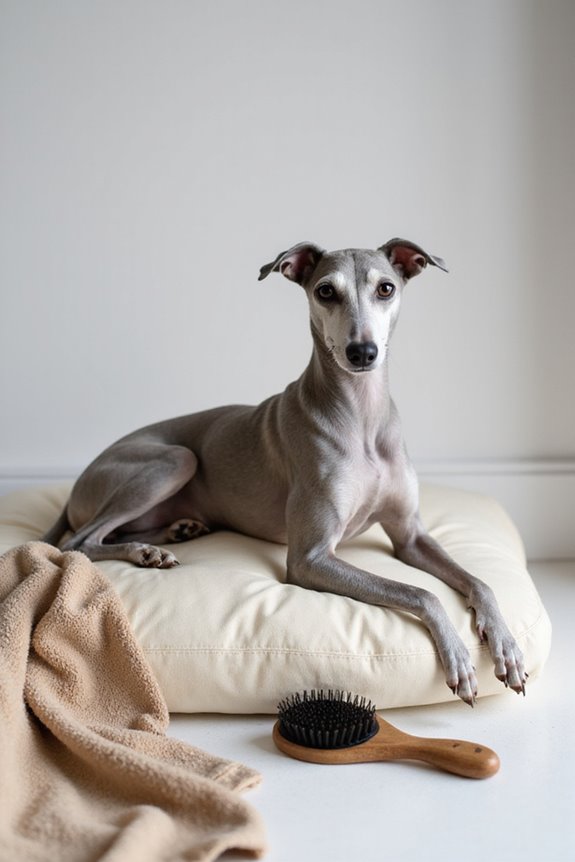
What Are Italian Greyhound Care Guidelines?

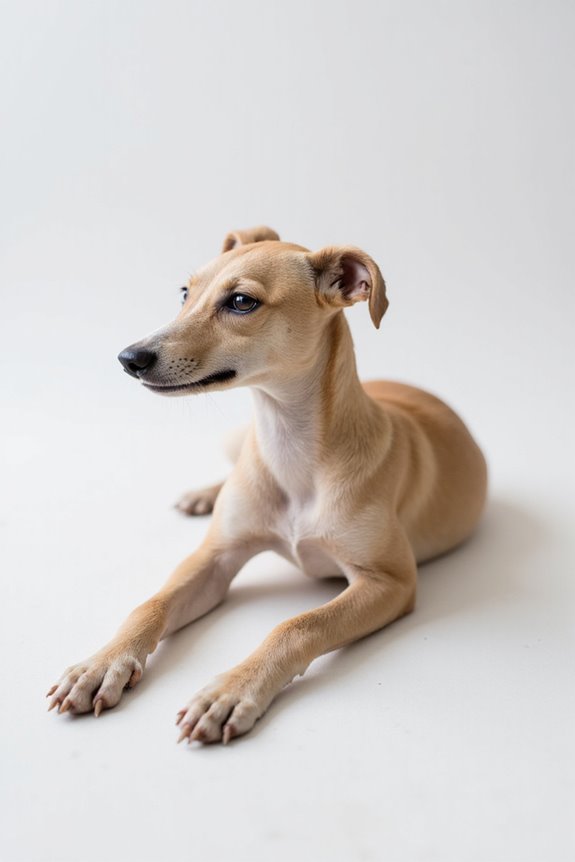
Italian Greyhound care requires attention to several key areas. We should guarantee they receive 30-60 minutes of daily exercise, often in multiple sessions. Grooming involves minimal brushing, with weekly care and monthly baths recommended. A balanced diet, emphasizing high-quality protein, is vital, with portion control based on weight. Regular veterinary visits aid in monitoring health, while dental care prevents common issues. Additionally, recognizing signs of distress is critical for their well-being. Let’s explore these guidelines further for ideal care.
Key Takeaways
- Italian Greyhounds need 30 to 60 minutes of daily exercise, ideally split into multiple sessions for optimal energy management.
- Utilize positive reinforcement training techniques and establish clear routines for effective behavior management and socialization.
- Regular grooming includes weekly brushing and monthly baths, with extra care for hydration of hairless areas in cold weather.
- Monitor health closely with annual veterinary check-ups and daily observations for changes in behavior or appetite.
- Provide high-quality nutrition through balanced meals, adjusting portion sizes based on weight for optimal health.
Exercise and Physical Activity Needs
For adult Italian Greyhounds, they require 30 to 60 minutes of exercise daily, ideally split into two or three sessions.
To maintain both exercise safety and activity variety, consider these options:
- Leash walking for controlled outings
- Playtime in fenced areas for off-leash freedom
- Agility training for physical and mental challenges
It’s essential to balance moderate intensity and rest periods, allowing proper recovery. Each dog’s needs may vary, so tailoring exercise to their individual energy levels optimizes health. Additionally, be mindful of their delicate bone structure as it may require adjustments in exercise intensity or activities to prevent injuries.
Grooming and Skin Care
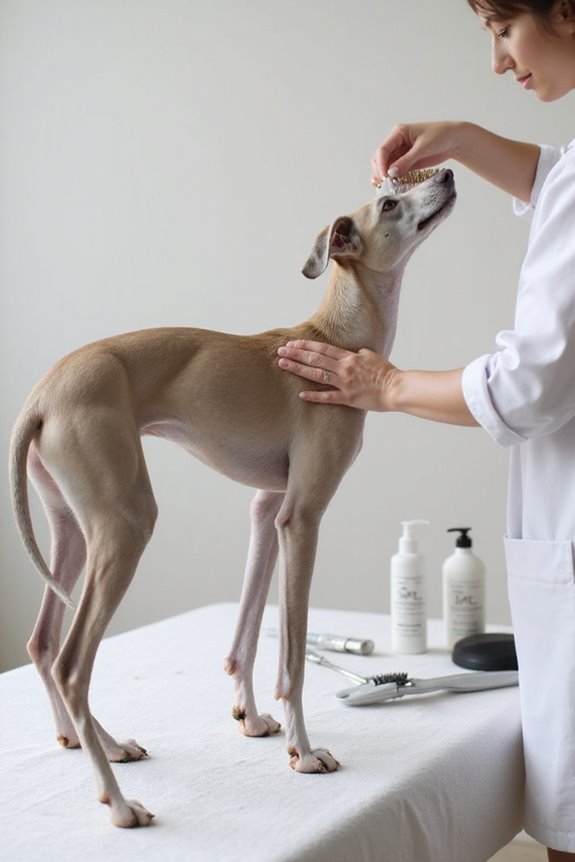
Maintaining the grooming and skin care of Italian Greyhounds is a straightforward yet important aspect of their overall health. Here are key guidelines to follow:
- Coat Brushing: Their short, fine coat requires minimal brushing. Weekly brushing with a soft bristle brush or damp rubber mitt helps remove dead hairs and reduces shedding, maintaining coat condition.
- Skin Hydration: Pay special attention to hairless areas like the nose and paw pads. Use specialized creams to prevent dryness, especially in cold weather.
- Bathing: Bathe them monthly or as needed. Use gentle pet wipes between baths to manage odors.
- Clothing: In colder months, provide clothing for warmth due to their thin coat.
Regular inspections for skin irritations or dryness will help keep your Italian Greyhound comfortable and healthy. Additionally, consider using orthopedic dog beds to support joint health, particularly as they age or if they display signs of discomfort.
Nutrition and Feeding Guidelines
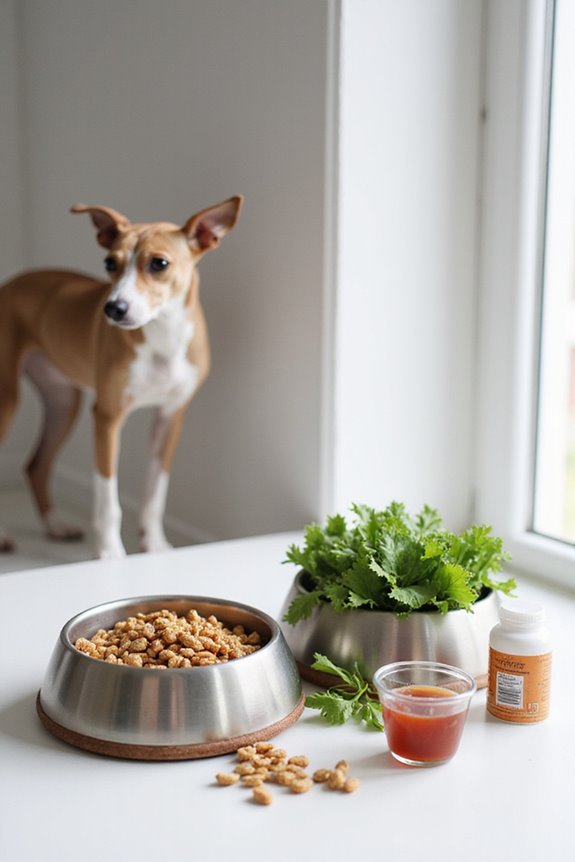
Proper nutrition is essential for the health and well-being of our Italian Greyhounds, helping them thrive at every life stage. Here are some key guidelines to follow:
- Diet Composition: High-quality protein should be the primary ingredient, along with balanced fats for energy and a healthy coat. Incorporate digestible carbohydrates while avoiding starch-heavy options to maintain digestive health.
- Feeding Schedule: Puppies need three meals daily, while adults usually benefit from two. Portion control is critical, with typical daily amounts ranging from ½ to 1 cup based on weight.
- Homemade Diets: For picky eaters or seniors, homemade diets can be beneficial. However, it’s essential to guarantee nutritional balance. Additionally, ensure your homemade meals include high-quality proteins to support muscles and overall health.
Health Monitoring and Veterinary Care
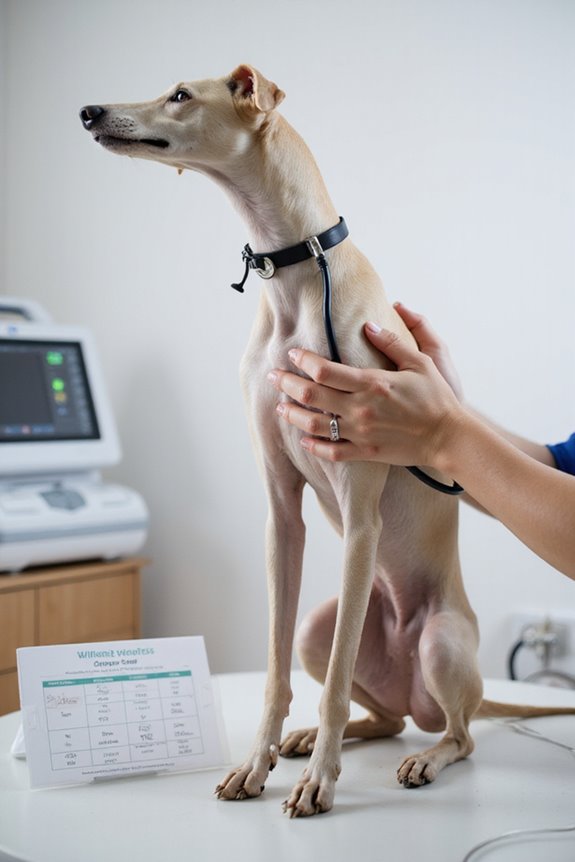
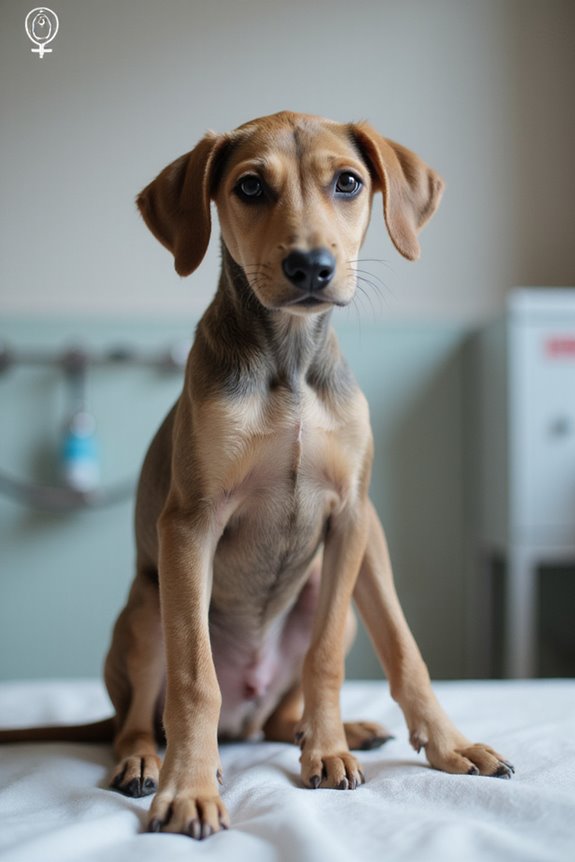
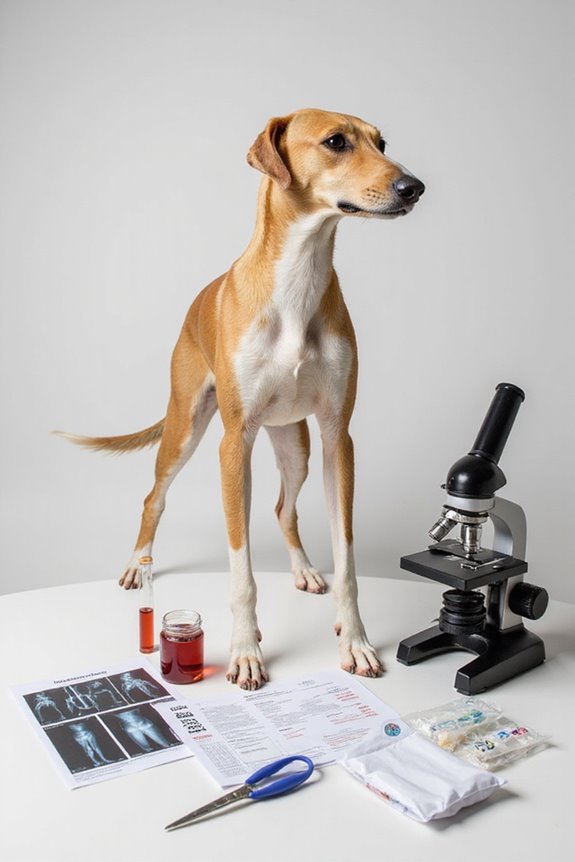
Monitoring our Italian Greyhounds’ health is essential to ensuring their long-term well-being. We should schedule annual veterinary appointments for general health evaluations, vaccinations, and dental exams. Senior or health-compromised dogs benefit from biannual visits to monitor emerging health conditions.
Key practices for health monitoring include:
- Daily observation for changes in appetite, weight, behavior, or energy levels.
- Regular dental care to prevent oral disease, including brushing and professional cleanings.
- Consistent flea and parasite prevention.
It’s important to stay vigilant for signs of illness, such as unusual symptoms or behavioral changes. Discussing health concerns with our vet can help us address potential issues early, ensuring our Italian Greyhounds lead healthy, happy lives. Additionally, incorporating a diet rich in essential fatty acids can greatly improve their skin health and coat quality.
Creating a Comfortable Environment

Creating a comfortable environment for our Italian Greyhounds is essential for their overall well-being and happiness. Here are several key considerations:
- Temperature Control: Italian Greyhounds prefer warm surroundings, requiring us to manage their indoor climate effectively. We should avoid drafts and provide heated beds during colder months to keep them cozy.
- Indoor Enrichment: These dogs thrive in stimulating environments. A variety of toys, along with interactive play, can combat boredom, which can lead to anxiety or hyperactivity.
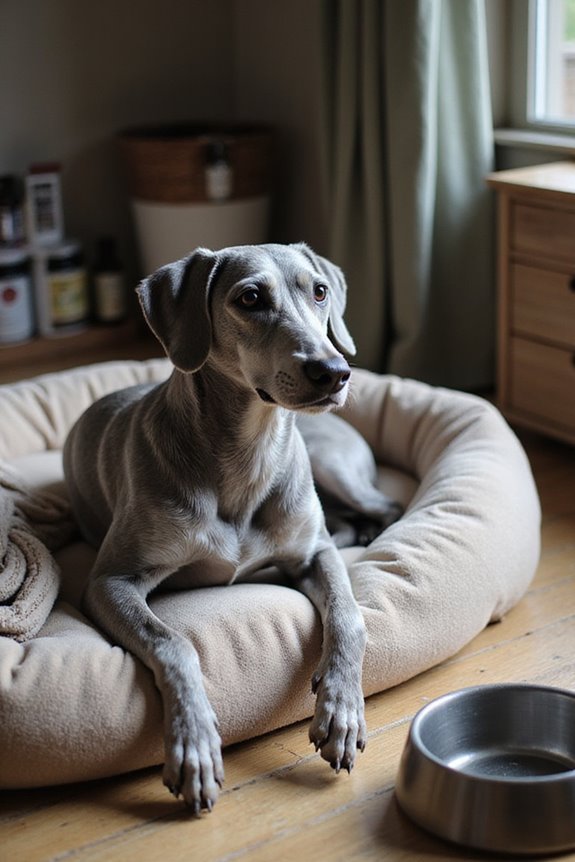
- Resting Areas: We must guarantee they have soft bedding, raised above cold surfaces, to preserve their body heat and protect their joints. Additionally, investing in high-quality materials for their bedding ensures long-lasting comfort and support.
Training and Socialization Practices
Training and socialization for our Italian Greyhounds are essential to nurturing well-rounded, confident companions. We should employ positive reinforcement techniques, using treats and praise to encourage desired behaviors. Avoid any form of punishment, as these sensitive dogs can develop fear or aggression from harsh corrections.
To effectively manage their behavior, consistent, short training sessions are key. We can also create a structured environment by using crates and baby gates to prevent accidents, while establishing clear “potty zones” for elimination.
Regular schedules and clear communication of household rules foster understanding, helping our IGs feel secure. Additionally, practicing “fake departures” can aid in desensitizing our pups to being alone, preventing separation anxiety in the future. Incorporating escape-proof features in their harnesses can further enhance their safety during outings and training sessions.
Importance of Regular Dental Care
While we may prioritize training and socialization for our Italian Greyhounds, it’s equally essential to focus on their dental health. Good dental hygiene is vital for preventing plaque and tartar buildup, which lead to periodontal disease. Daily brushing with a soft-bristled toothbrush and dog-specific toothpaste helps maintain oral health. Here are some key practices to evaluate:
- Daily Brushing: Brush all tooth surfaces to prevent infections.
- Annual Exams: Schedule veterinary dental check-ups to catch issues early.
- Dental Chews: Use approved chews and toys to aid in plaque removal.
- Monitor Signs: Look for bad breath or swollen gums, indicating dental problems.
Managing Cold Weather Conditions
As the temperature drops, ensuring our Italian Greyhounds remain safe and comfortable becomes a top priority. It’s important to recognize signs of cold stress, such as shivering or cowering, and to equip our dogs with protective clothing when needed.
- Clothing Recommendations:
- Well-fitting sweaters or jackets are essential when temperatures fall below 60°F (15°C).
- In freezing conditions, full-body outfits, including insulated coats, should be used.
- Outdoor Time:
- Limit outings to 10-15 minutes when temperatures are between 10°F and 32°F (-12 to 0°C).
- Paw Protection:
- Protective dog boots are crucial to prevent frostbite and injuries from icy ground.
Preventative Health Measures
Preventative health measures play an essential role in the well-being of our Italian Greyhounds. Here are key practices to follow:
- Routine Veterinary Care: Schedule annual or biannual thorough exams to detect breed-specific conditions early. Vaccinations should adhere to veterinary guidance to maintain immunity.
- Genetic Testing: Conduct screenings for inherited disorders like Progressive Retinal Atrophy to support targeted preventive care.
- Preventive Screenings: Address potential health issues early through regular veterinary dental check-ups and cleanings to prevent periodontal disease.
- Parasite Control: Guarantee consistent heartworm, tick, and flea prevention based on seasonal risks.
Recognizing Signs of Distress and Illness
Recognizing signs of distress and illness in our Italian Greyhounds is important for ensuring their health and longevity. We must monitor for behavioral changes, like sudden laziness or reluctance to move, which may signal joint issues or pain.
Key signs to watch for include:
- Eye problems, such as excessive tearing or squinting, indicating potential infections.
- Mobility issues marked by difficulty jumping or stiffness, possibly linked to luxating patella.
- Unexplained lethargy or changes in appetite hinting at systemic illness or thyroid issues.
Early symptom recognition leads to timely veterinary care, helping us maintain a happy, healthy pet. Always consult a veterinarian if we notice any concerning symptoms; proactive care is essential.
Frequently Asked Questions
How Can I Tell if My Italian Greyhound Is Too Cold?
If our Italian Greyhound turns into a shivering little icicle in cold weather, we’ll notice signs like lifted paws, curled-up postures, and vocalizations—indicators of their temperature sensitivity that demand our warm, loving attention.
What Toys Are Best for Stimulating My Italian Greyhound?
For stimulating our Italian Greyhounds, we love using fetch toys for physical play and brain games like puzzle feeders to keep them mentally engaged. Combining both helps them thrive, both physically and mentally, don’t you think?
Can Italian Greyhounds Live Comfortably in Apartments?
Yes, Italian Greyhounds can thrive in apartment living due to their small size and gentle temperament. Their moderate energy needs balance well with our lifestyle, making them perfect companions in cozy spaces. Let’s enjoy this wonderful breed together!
How Do I Introduce My Italian Greyhound to New Pets?
When introducing our Italian Greyhound to new pets, we should use calm socialization techniques. Start with short, supervised interactions and watch for signs of comfort. Gradually reduce distance if all pets remain relaxed.
What Are the Signs of Anxiety in Italian Greyhounds?
We can spot anxiety in our Italian Greyhounds through behaviors like destructive chewing, vocal protests, and excessive clinging. Recognizing these anxiety triggers helps us use calming techniques to support their emotional well-being effectively.