As an Amazon Associate, we earn from qualifying purchases. Some links on this site are affiliate links at no extra cost to you. Our recommendations are based on thorough research and editorial judgment.


What Is The Life Expectancy Of A Greyhound? For Puppies

Greyhounds typically live between 10 and 15 years, with an average lifespan of 12 to 14 years. However, various factors can impact a puppy’s longevity, such as genetics, nutrition, and exercise. Many Greyhounds face health issues like gastric bloat and hip dysplasia, which can affect their lifespan. Providing a balanced diet and regular veterinary care can greatly enhance a Greyhound’s overall health. To better understand how we can support a puppy’s longevity, consider the specific needs and care strategies essential for Greyhounds.
Key Takeaways
- Greyhounds typically have a life expectancy of 10 to 15 years, with most living around 12 to 14 years.
- Average lifespan for Greyhounds is reported at 11.5 years, which is lower than some other purebred dogs.
- Factors like genetics, nutrition, and exercise significantly influence a Greyhound’s longevity, including puppies.
- Common health issues in Greyhounds can affect lifespan; early veterinary care is essential for puppies.
- Males may face slightly higher health risks due to larger size, but both genders experience similar health issues.
Understanding Greyhound Longevity
Understanding Greyhound longevity is essential for anyone considering adopting or caring for these elegant animals. The typical life expectancy for Greyhounds ranges from 10 to 15 years, with most sources aligning around 12 to 14 years. This variability largely stems from genetic factors and breed characteristics. For instance:
- A 2026 UK study reported an average life expectancy of 11.5 years, slightly lower than other purebreds.
- Historical data shows that 60% of Greyhounds died by age 10, compared to 35% for the general dog population.
- Greyhounds possess unique physiology, including a lean build and specific blood chemistry, which can impact their health. Additionally, their exercise and activity levels play a significant role in overall health and longevity.
Understanding these aspects can guide us in ensuring a longer and healthier life for our Greyhound companions.
Factors Influencing Lifespan

Several critical factors influence the lifespan of Greyhounds, shaping their overall health and longevity.
- Genetic predispositions play a crucial role, as certain inherited conditions can adversely affect their lifespan. Common issues include hip dysplasia, osteosarcoma, and polyneuropathy, which can manifest early in life.
- Nutritional impact is another key factor. A balanced diet provides necessary nutrients that support immune function and prevent obesity-related conditions. Proper nutrition can also reduce the risk of serious issues like bloat, particularly in deep-chested breeds. Additionally, high-quality protein sources like those recommended for other breeds can enhance overall vitality and longevity.
- Regular veterinary care guarantees that we monitor for breed-specific conditions and catch health issues early.
Common Health Issues in Greyhounds

Greyhounds are remarkable dogs, known for their speed and elegance; however, they are also vulnerable to a range of health issues that can impact their quality of life. Here are some common health concerns:
- Gastric Dilation and Volvulus (GDV): This condition can cause life-threatening bloat. Preventive measures include managing their diet and post-meal activity.
- Periodontitis: Up to 40% of Greyhounds may suffer from gum disease, necessitating regular dental care.
- Musculoskeletal Issues: Greyhounds are prone to orthopedic injuries and osteosarcoma.
- Skin Allergies: Commonly experienced, leading to itching and irritation. Limited ingredient diets can be beneficial in managing these allergies effectively.
- Kidney Issues: Conditions like glomerulonephropathy warrant early diagnosis and intervention.
The Role of Gender in Lifespan

When considering the factors that affect the lifespan of greyhounds, gender emerges as a notable element that may influence longevity. Research generally indicates that female greyhounds may live longer than males. Here are key points regarding gender differences and lifespan variations:
- Female greyhounds average 50-65 lbs, while males weigh 65-85 lbs, and size can impact health.
- Hormonal differences may influence longevity, although specific greyhound data is limited.
- Males may face slightly higher risks for joint issues due to their size.
- Health risks are similar for both genders, with conditions like cancer and heart disease affecting longevity.
- Ultimately, individual care tailored to each greyhound’s needs can help manage these lifespan variations effectively. Additionally, ensuring the use of a comfortable harness can promote safer and more enjoyable outdoor activities, which contributes positively to a dog’s overall health.
Environmental Needs for Greyhound Puppies

Creating a suitable environment for greyhound puppies is essential to their health and well-being.
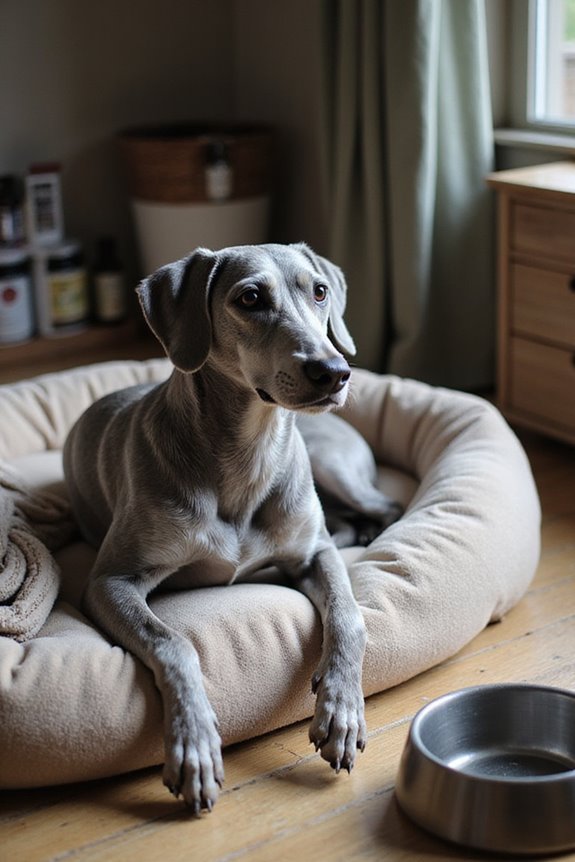
- Housing Requirements: Greyhounds adapt well to apartment living if they receive regular walks and have space to stretch their legs. They benefit from securely fenced areas for off-leash play. It’s important to provide soft, comfortable bedding indoors.
- Temperature Sensitivity: Due to their thin coats, greyhound puppies are sensitive to cold. We should offer warm blankets or coats during colder months, ensuring they have a warm, draft-free space. Avoid environments that are overly hot or cold, as this impacts their comfort and well-being. Additionally, using high-quality materials for their coats can provide essential insulation and keep them cozy during cold weather.
Maintaining cleanliness in their housing, including frequent disinfection, will also safeguard their health and prevent infections.
Adoption Considerations for Future Longevity
Adopting a greyhound can be a rewarding experience, especially when we consider the factors influencing their future longevity. During the adoption process, it’s important to understand their breed characteristics, which include specific health risks like bone cancer and hip dysplasia.
- A balanced diet is necessary to prevent obesity and support their unique energy needs. Quality ingredient sourcing is essential for maintaining their overall health and longevity.
- Regular veterinary check-ups guarantee that we monitor potential health issues and administer vaccinations.
- Creating a calm home environment reduces stress, which is essential for their well-being.
- Introducing them to other pets and children gradually helps create harmony.
Frequently Asked Questions
Can Greyhounds Be Prone to Inherited Health Issues?
Yes, Greyhounds can be prone to inherited health issues, including genetic disorders affecting their heart, joints, and skin. Regular health screenings guarantee we catch these conditions early and manage their well-being effectively.
What Is the Average Weight of Adult Greyhounds?
The average greyhound size varies, with adult weights ranging from 50 to 85 pounds. Typically, male greyhounds weigh more, around 65 to 85 pounds, while females average between 50 and 65 pounds.
Do Greyhounds Require Special Diets Compared to Other Breeds?
Absolutely, Greyhounds do need special nutrition compared to other breeds. Their unique dietary needs involve higher protein and essential fatty acids to support their muscle and skin health, ensuring they thrive in their lean physique.
How Do Greyhounds Adapt to Family Life After Racing?
Greyhounds adjust to family life through gradual integration, requiring patience and understanding. With consistent routines and positive reinforcement, we help them make behavior adjustments, fostering trust and forming strong bonds with us and our family.
Are Greyhounds Known for Any Specific Personality Traits?
Greyhounds are renowned for their playful demeanor and gentle nature, effortlessly transforming from speedy racers to affectionate couch companions. Their calm disposition and social charm make them the perfect addition to any loving household!